Could Your Car Someday Heal Its Own Scratches?
The surprising truth about self-repairing materials sneaking into everyday life
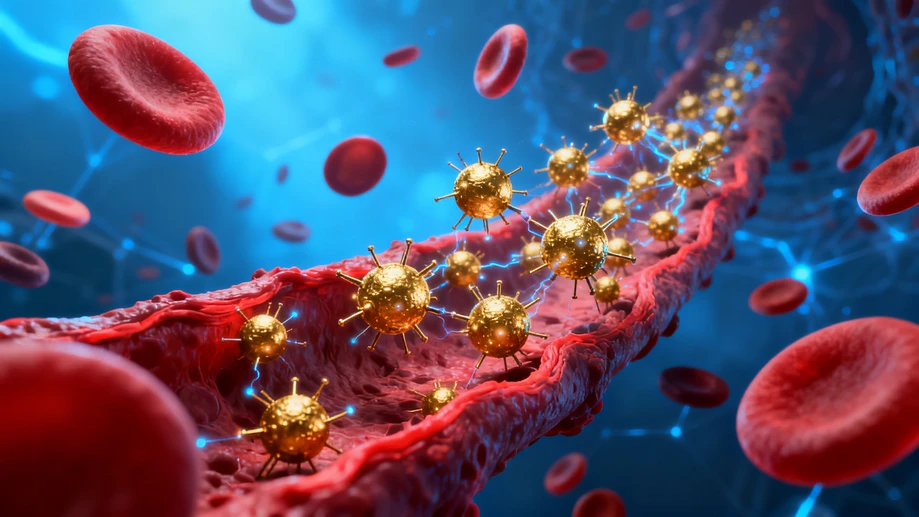
Imagine bumping your car against a pillar and watching the scratch vanish like magic, or dropping your phone only to see its cracks seal themselves by lunchtime. This isn't science fiction but the emerging reality of self-healing materials – substances engineered to autonomously repair damage. From polymer molecules that rebond like liquid skin to microcapsules bursting with healing agents, these smart materials mimic biological systems. Researchers have drawn inspiration from blood clotting and bone regeneration, embedding similar repair mechanisms into everything from phone screens to bridge concrete. The secret lies in molecular architecture; materials are designed with weak bonds that easily break and reform, or contain reservoirs of liquid polymers that flow into fractures when damaged.
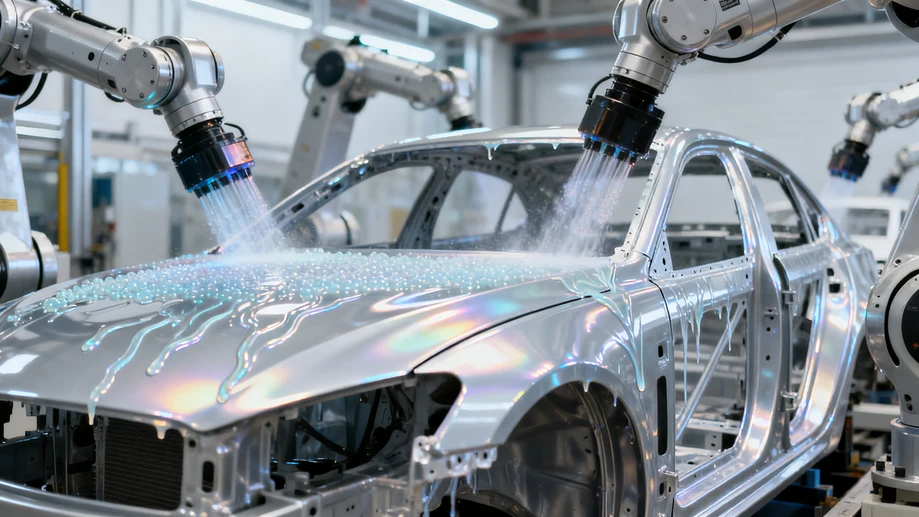
Self-healing technology is already cruising on real roads. Major automotive brands now offer clear coats containing microcapsules filled with restorative resins. When UV light hits a scratch, these capsules rupture and release healing agents that polymerize within minutes. Aerospace engineers embed shape-memory alloys in aircraft wings that "remember" their original form when heated, bending back into position after impacts. Even everyday electronics benefit: experimental smartphone screens use thermoplastic polymers that regain smoothness when gently warmed by your palm. This isn't laboratory fantasy – consumer products featuring these innovations are projected to grow by 35% annually as manufacturing scales up.
The most revolutionary applications extend beyond surface fixes. Construction companies now test self-healing concrete infused with limestone-producing bacteria. When water seeps into cracks, these microbes activate and mineralize the gaps, potentially doubling infrastructure lifespan. Medical implants coated with antibacterial polymers can seal microscopic punctures caused by surgical tools, preventing infections. The economic implications are staggering: self-repairing wind turbine blades could reduce maintenance costs by €2.3 billion annually across European wind farms alone, while buildings requiring less frequent repairs translate to lower carbon footprints.
Challenges remain before widespread adoption. Most self-healing mechanisms have limited "lives" – typically repairing the same spot 5-10 times before exhaustion. Temperature sensitivity varies; some materials work only within narrow thermal ranges. Manufacturing complexity also increases costs, though innovations like 3D-printed vascular networks are streamlining production. The holy grail? Multi-functional materials that heal while conducting electricity or changing color to indicate damage. Several research consortia are racing to develop such composites, with prototypes already demonstrating triple functionality.
As these technologies mature, prepare for objects that outlive their expected lifespans. Your future car door might contain microfluidic channels pumping healing agents like tree sap, while bridges could feature concrete with crystalline "scabs" that grow when strained. Unlike disposable culture, self-healing principles promise products that age gracefully and sustainably. The real magic isn't just in the repair, but in redefining our relationship with everyday objects – turning wear and tear from an ending into merely a pause before restoration.