5 Mind-Blowing Innovations Reshaping Your Daily Life Right Now
How Advanced Manufacturing Technologies Are Quietly Revolutionizing the World Around You
Imagine your morning coffee mug repairing its own chip overnight or your winter coat automatically adjusting its insulation as temperatures drop. This isn't science fiction – it's the reality being forged by today's advanced manufacturing technologies. From factories humming with artificial intelligence to materials that mimic biological systems, a silent revolution is transforming everyday objects. These innovations emerge from global research hubs where engineers blend nanotechnology, robotics, and data science to solve practical problems. The results? Products that last longer, perform smarter, and interact with our world in ways previously unimaginable, all while reducing environmental footprints. This convergence of disciplines is redefining what's possible in our homes, workplaces, and cities.
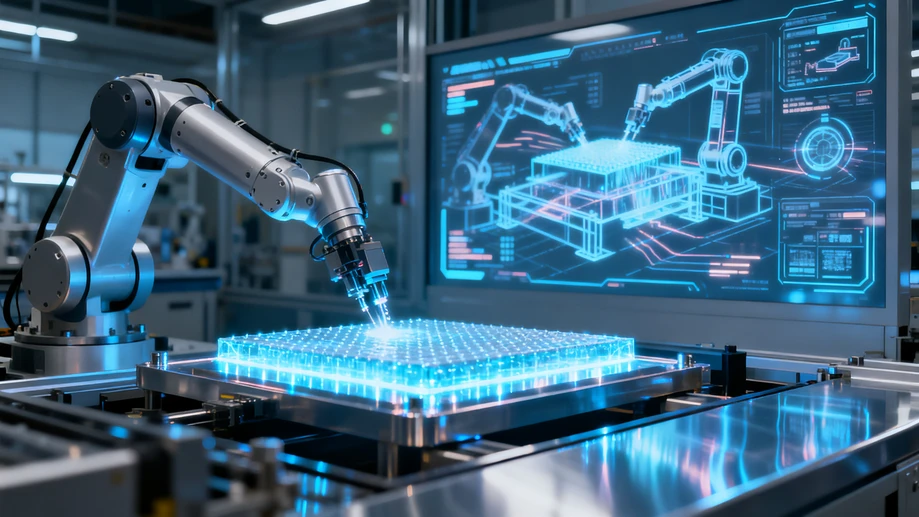
At the heart of this transformation lies additive manufacturing, commonly known as 3D printing, which has evolved far beyond plastic prototypes. Aerospace companies now print fuel nozzles with intricate cooling channels impossible to cast traditionally, making jet engines 15% more efficient. Medical labs create patient-specific titanium hip implants with porous structures that encourage bone growth, reducing recovery time by weeks. Even the fashion industry embraces it: Adidas' Futurecraft trainers feature 3D-printed midsoles customized to individual foot pressure maps. The technology's true power emerges in distributed manufacturing – imagine downloading a design file and printing replacement car parts at your local service center instead of waiting for international shipping.
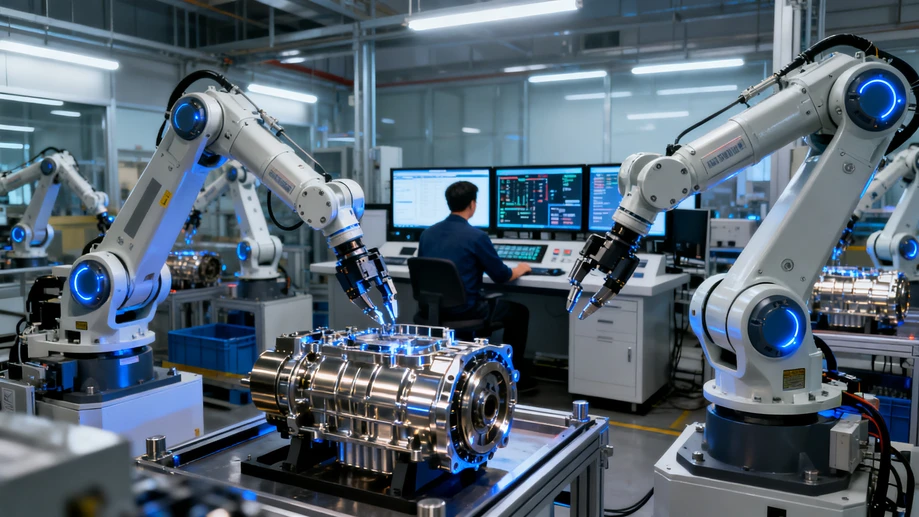
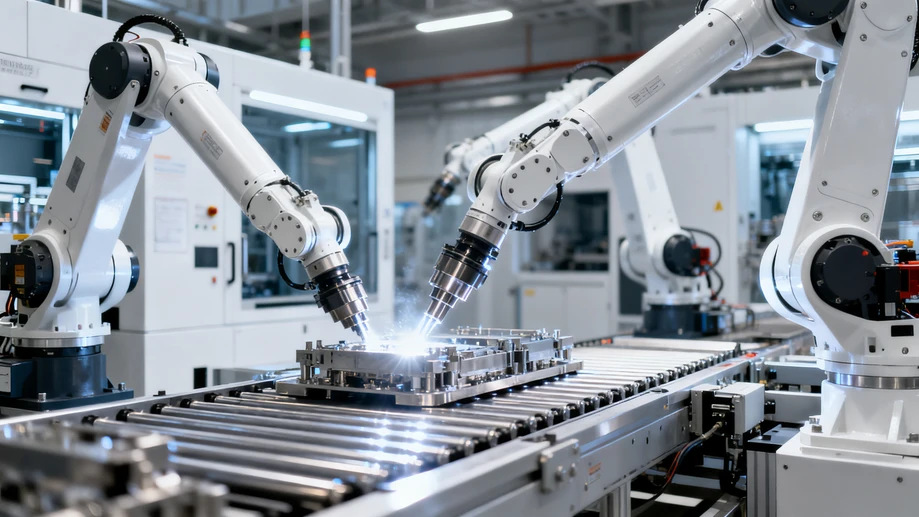
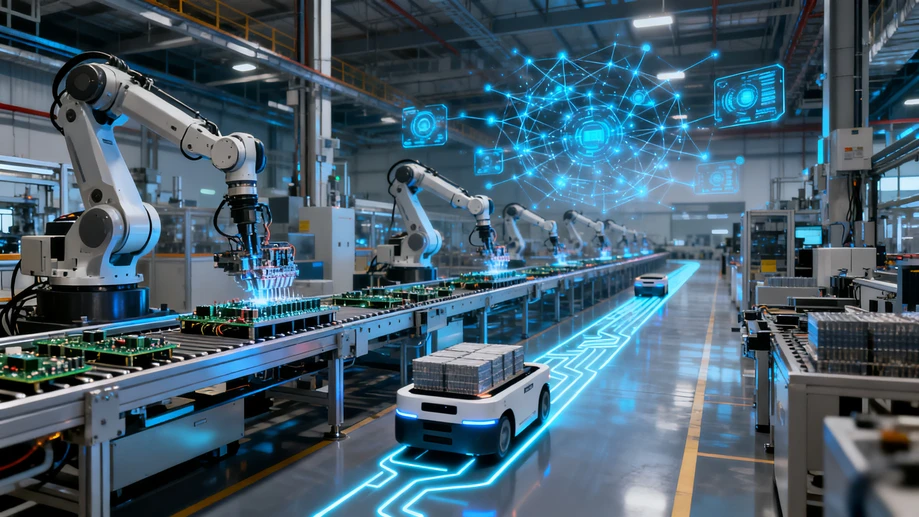
Meanwhile, smart factories are rewriting production rules through cyber-physical systems. Sensors embedded in machinery predict failures before they occur, like a CNC machine scheduling its own maintenance when vibration patterns change. German manufacturer Siemens employs digital twins – virtual replicas of physical production lines – to simulate modifications in real-time, slashing development cycles by 30%. Collaborative robots work alongside humans, with advanced force sensors allowing them to handle fragile items like lightbulbs or pastries. These factories consume less energy too: Schneider Electric's Kentucky plant uses AI to optimize HVAC and lighting, cutting energy use by 26% while boosting output. The result? Higher quality goods reaching shelves faster and cheaper.
Material science breakthroughs are making products astonishingly resilient. Self-healing polymers, inspired by human skin, can repair scratches on smartphone screens or car paint using microcapsules that release healing agents when damaged. Researchers at MIT developed concrete that seals its own cracks with embedded bacteria that produce limestone. In Japan, Bridgestone created tires with regenerating rubber that maintains grip throughout its lifespan. Equally impressive are programmable materials: Phase-change fabrics like those in Ministry of Supply jackets absorb body heat when you're warm and release it when chilly, while electrochromic windows in Boeing's Dreamliner planes tint automatically to control sunlight.
The final frontier unfolds at microscopic scales. Nanotechnology enables solar panels with light-trapping structures that boost efficiency by 20%, and water filters with graphene membranes that remove contaminants at molecular levels. Quantum sensors are entering consumer devices: Next-generation smartphones may include navigation systems so precise they detect underground pipes or archaeological remains. As these technologies mature, they converge – 3D-printed sensors woven into clothing could monitor vital signs, while AI-optimized nanofactories produce custom medicines. What seems miraculous today will soon be mundane: buildings that generate their own power, appliances that self-diagnose failures, and supply chains that adapt to disruptions instantly. The future isn't coming; it's being manufactured around us right now.