Wow! Mind-Blowing Tech That's Making Factories Way Cooler
A fun journey through the latest advancements in high-end manufacturing that touch your everyday life.
Picture this: you're sipping coffee, and the smartphone in your hand was built by robots collaborating with humans in a factory that feels like something out of a sci-fi movie—but it's real! High-end manufacturing technology is no longer confined to labs; it's weaving into our daily routines, making everything from cars to clothes smarter, faster, and more sustainable. This isn't just about machines churning out products; it's a global wave of innovation that boosts efficiency and reduces waste. Imagine factories where artificial intelligence predicts when a machine might break down before it happens, saving millions in repairs and preventing delays for your next gadget. It's all part of the Industrial 4.0 revolution, where tech giants and startups are racing to create systems so advanced, they feel almost magical—yet they're as grounded as your morning commute.
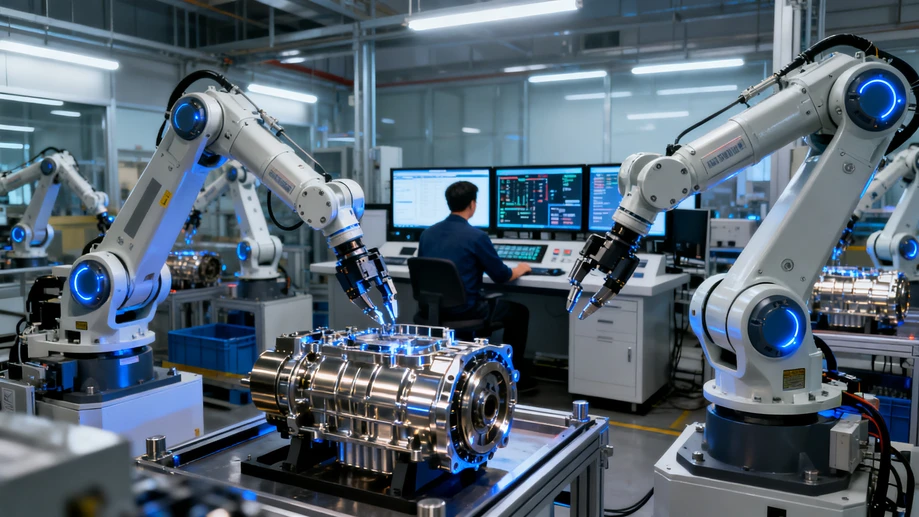
Now, let's dive into artificial intelligence, which is revolutionizing factories by acting like a super-smart foreman. AI systems analyze vast amounts of data from sensors embedded in machines to spot patterns humans might miss. For instance, predictive maintenance algorithms can warn a factory about a potential malfunction in an assembly line days in advance, allowing fixes during off-hours so your delivery of new sneakers isn't delayed. Companies like Tesla and Bosch use this to cut downtime by up to 30%, meaning fewer hiccups in getting that sleek electric car to your driveway. But it's not all serious; AI adds a fun twist—robots learn from mistakes, improving over time. Think of it as playing a high-stakes video game where every move sharpens their skills, ensuring your favorite products roll out flawlessly without costing a fortune. This tech is already in action worldwide, from German auto plants to Chinese electronics hubs, proving that AI isn't just a buzzword—it's a game-changer for quality and affordability.
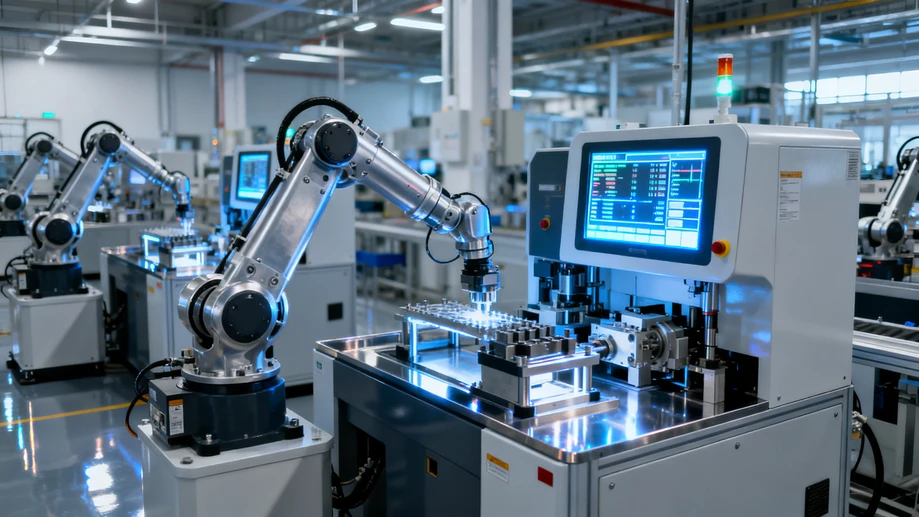
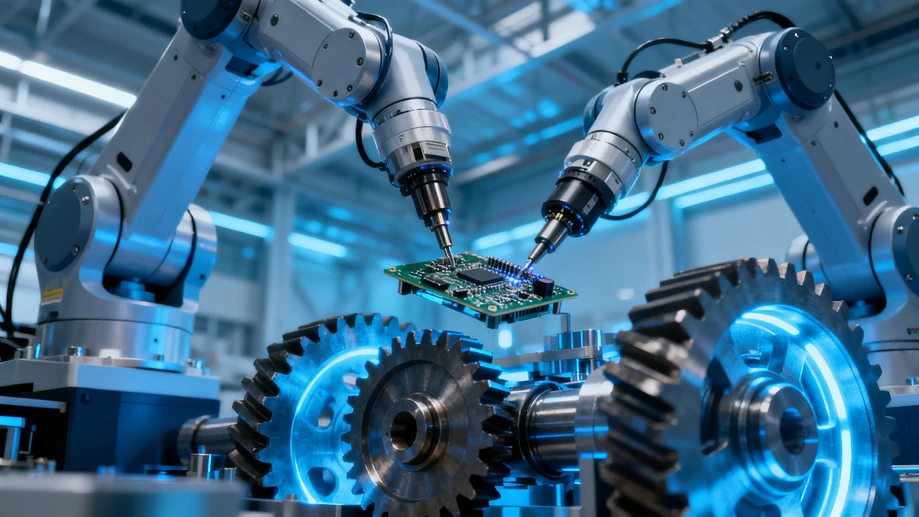
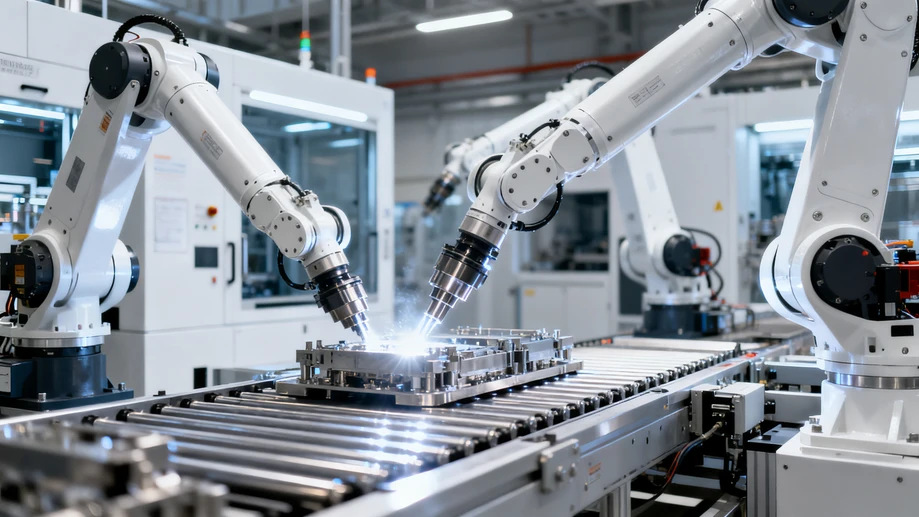
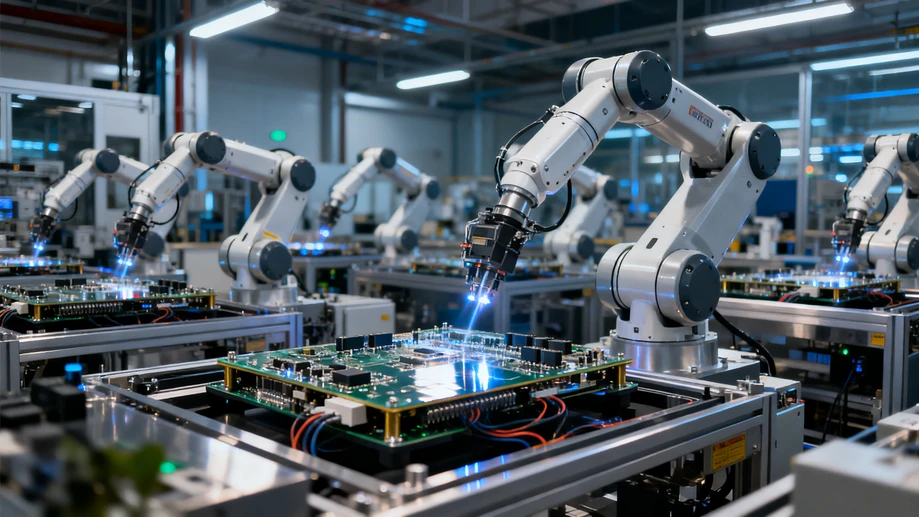
Next up, robotics has evolved beyond clunky arms to nimble "cobots" that work alongside humans in surprising ways. These collaborative robots are like friendly coworkers, designed with sensors and soft grips to avoid accidents. In a typical factory, you might see them assembling intricate parts for smartphones or packaging goods, all while interacting safely with people. Take the case of Adidas, where cobots help customize shoes in real-time based on customer preferences—yes, your comfy kicks could be tailored by a robot! This collaboration boosts productivity by 20-40% in many industries, making items cheaper and quicker to produce. It's not just industrial giants; smaller workshops use affordable cobots for tasks like welding or sorting, turning mundane jobs into efficient, error-free processes. As a result, everyday products hit shelves faster, and the cost savings trickle down to you, whether you're buying a new bike or a kitchen appliance. It's a silent revolution where human-robot teams are redefining work, blending precision with a touch of human ingenuity.
Moving on, 3D printing and additive manufacturing are breaking boundaries by letting factories create complex objects layer by layer, rather than cutting from blocks. This tech is like a magic wand for customization, allowing bespoke designs without massive waste. For example, medical device companies use it to print personalized prosthetics tailored to individual patients, making them more affordable and accessible. In everyday life, companies like Nike leverage 3D printing for sneaker soles that perfectly match your foot shape, enhancing comfort and performance. Globally, this reduces material use by up to 50% compared to traditional methods, cutting carbon footprints and conserving resources. The beauty lies in its simplicity: a factory can switch designs on the fly, producing anything from car parts to home décor in hours instead of weeks. With advancements in metals and polymers, these printers are now affordable for small businesses, sparking a wave of innovation that puts high-quality, custom goods within your reach—all while being kinder to the planet.
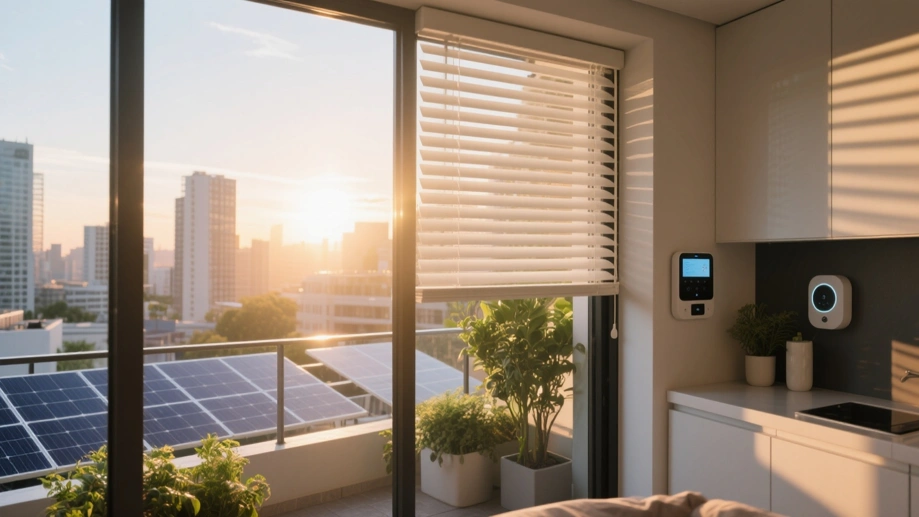
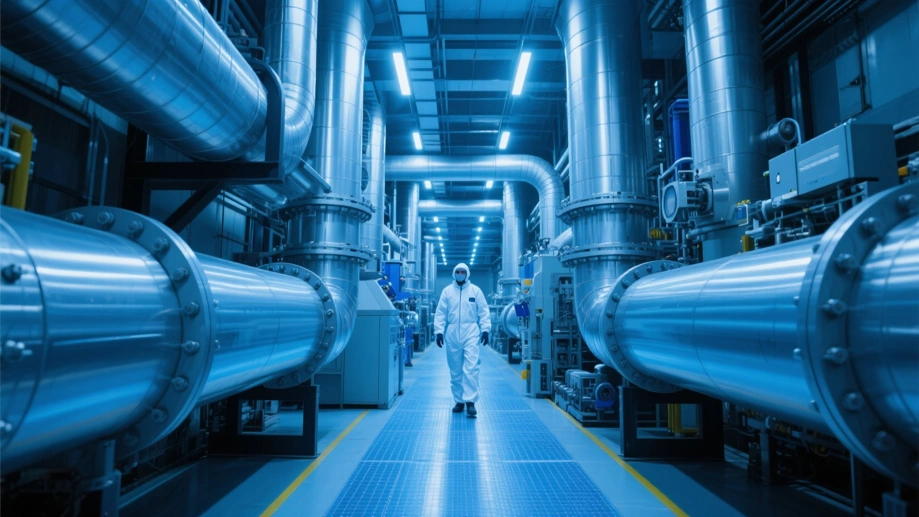
Lastly, the Internet of Things (IoT) connects everything in factories through smart sensors, turning them into "intelligent" hubs that communicate in real-time. Imagine a network where machines talk to each other, optimizing energy use and streamlining workflows. In a smart factory, sensors monitor temperature, humidity, and even worker movements to prevent errors—like ensuring your coffee maker's components are assembled perfectly. This isn't futuristic; companies like Siemens implement it to slash energy consumption by 25%, meaning greener products for you. The IoT extends beyond the factory floor, linking to global supply chains so that retailers know exactly when stock arrives, reducing shortages for items like laptops or appliances. As a result, we get more reliable products at lower costs, with less waste clogging landfills. It's a subtle yet powerful shift that enhances everyday reliability, proving that high-end tech isn't just for elites—it's making the ordinary extraordinary, one smart device at a time.
In wrapping up, these innovations aren't distant dreams; they're reshaping our world by making manufacturing smarter, faster, and more sustainable. From AI preventing breakdowns to cobots boosting efficiency, 3D printing enabling customization, and IoT ensuring seamless operations, these advancements directly impact your life—whether it's through cheaper gadgets or eco-friendly goods. As this tech continues to evolve, expect even greater personalization and efficiency, turning factories into engines of progress that serve us all. The future is here, and it's incredible how these real-world wonders stay hidden in plain sight, powering the products you rely on daily.