5 Astonishing Ways Global Advanced Manufacturing Tech is Reshaping Your Everyday Life
Discover how cutting-edge innovations in production are silently revolutionizing your daily routines, from your morning coffee to your evening commute.
Imagine waking up to a world where the objects around you—your smartphone, your car, even your morning espresso machine—are crafted with precision so advanced it feels like magic, yet it's all grounded in real science. Global advanced manufacturing refers to the high-tech processes that create products with unprecedented accuracy, speed, and customization, using tools like artificial intelligence, 3D printing, and robotics. This isn't science fiction; it's the quiet revolution happening in factories worldwide, driven by a quest for efficiency and sustainability. For instance, your daily commute is safer because cars now incorporate lightweight materials engineered through computational modeling, reducing emissions and enhancing durability. These innovations stem from decades of research, but they've seamlessly integrated into our lives, making everything from healthcare devices to household gadgets more reliable and accessible. As we dive into this world, you'll see how these technologies are not just for experts—they're transforming how we live, work, and play, one smart device at a time.
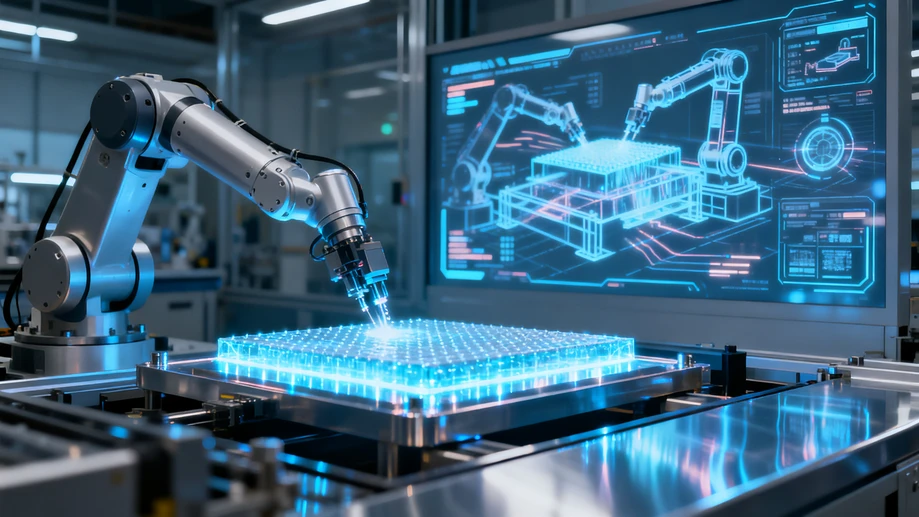
First, consider 3D printing, a game-changer that allows manufacturers to build complex items layer by layer, right from digital designs. This tech has moved beyond prototypes to everyday products; for example, your custom-fit running shoes or the dental aligners you might use are often printed on demand, reducing waste and costs. In healthcare, it's lifesaving: surgeons now implant 3D-printed titanium joints that match a patient's anatomy perfectly, speeding recovery times. The beauty lies in its accessibility—small businesses can compete with giants by printing bespoke items locally, cutting down on shipping and carbon footprints. Real-world applications abound: Adidas uses 3D printing for midsoles in their sneakers, offering personalized comfort that adapts to your stride. This isn't a distant future; it's here, making mass customization a reality and putting you in control of how products fit your life.
Artificial intelligence is another powerhouse, infusing intelligence into manufacturing lines to predict and prevent problems before they occur. AI algorithms analyze vast amounts of data from sensors embedded in machinery, spotting anomalies that could lead to breakdowns—think of it as a digital guardian for your car's engine or home appliances. In smart factories, this means production runs smoother: robots adjust their tasks in real-time based on AI feedback, ensuring your smartphone is assembled flawlessly. For consumers, it translates to reliability; your coffee maker might last longer because AI optimizes its components during manufacturing. Companies like Siemens employ this in their plants, where AI-driven systems reduce energy use by up to 30%, contributing to greener products. It's fascinating how this tech learns and evolves, making everyday items not just smarter but more dependable, all while keeping prices affordable through efficiency gains.
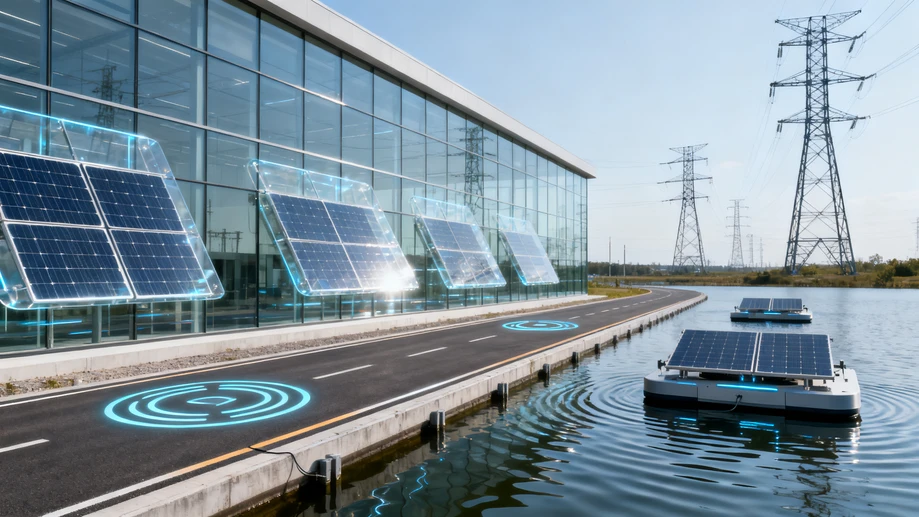
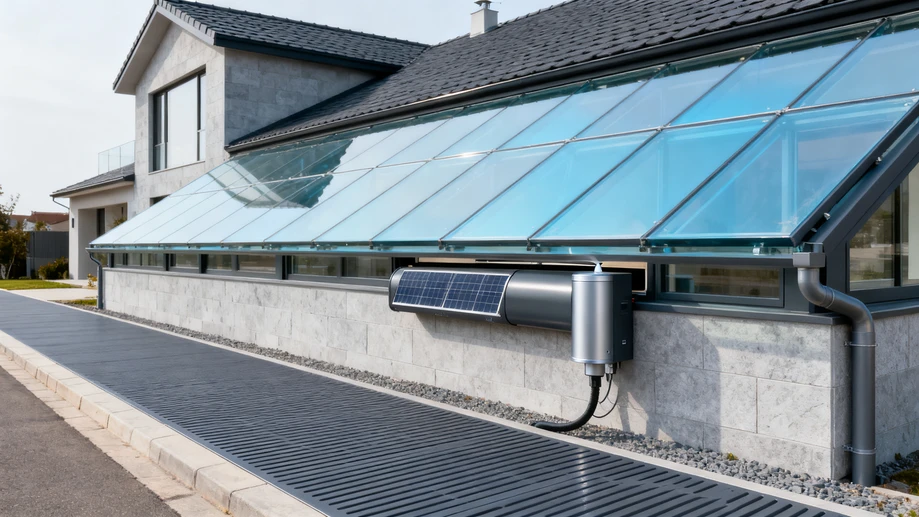
Nanotechnology plays a crucial role, manipulating materials at the atomic level to create stronger, lighter, and more functional products. This isn't about tiny robots; it's about coatings and composites that protect your devices. Your smartphone screen, for instance, likely has a nano-coating that repels water and scratches, extending its lifespan. In clothing, nano-fibers make fabrics stain-resistant and breathable, perfect for activewear you rely on daily. Even in renewable energy, nanotechnology enhances solar panels, making them more efficient and durable for homes. Real applications include companies like LG using nano-materials in TVs for better image quality. This innovation stems from collaborative global research, but it's woven into the fabric of your routine—imagine never worrying about spills on your favorite shirt or a cracked phone. It's a testament to how small-scale science delivers big impacts in durability and performance.
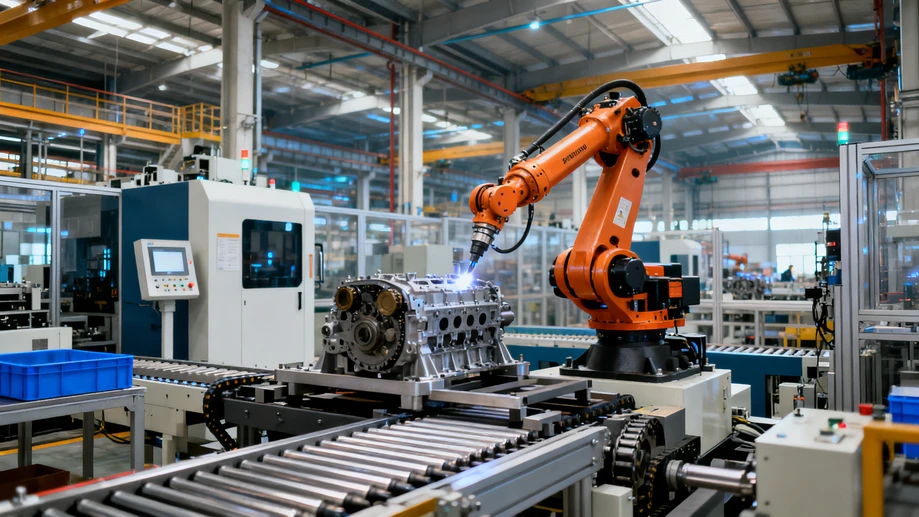
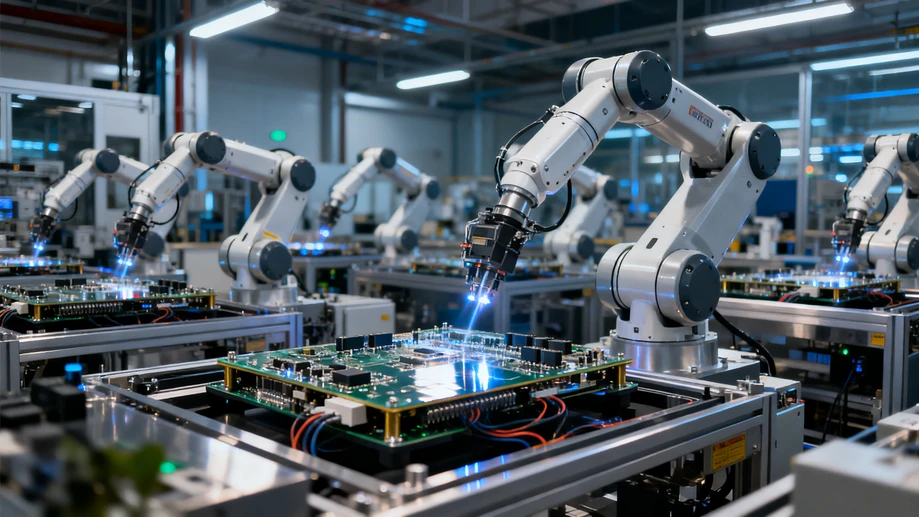
Robotics and automation are the unsung heroes, handling repetitive tasks with precision to free up human creativity. In modern factories, collaborative robots work alongside people, assembling everything from electronics to furniture, ensuring consistency and safety. This isn't about job loss; it's about enhancement—your car is built faster and with fewer errors, thanks to automated arms that weld and paint with micron-level accuracy. For daily life, it means products like your fridge or laptop are more affordable and reliable. Companies such as Tesla use advanced robotics to produce electric vehicles at scale, driving down costs and boosting innovation. The result? You enjoy high-quality goods without the premium price tag, and the tech even extends to logistics, where automated warehouses speed up deliveries for your online orders. It's a seamless integration that makes manufacturing agile, responsive, and tailored to your needs.
As these technologies converge, they're not just reshaping industries—they're empowering you to live better, with products that are sustainable, personalized, and resilient. The future holds even more promise: think of AI predicting when your appliances need maintenance, or 3D printers creating spare parts at home. But it's already happening; your daily interactions with tech are smoother because of these advances. Embrace this evolution—it's making the world more connected and efficient, one innovation at a time. So next time you use your device or drive your car, remember: it's not just a product; it's a masterpiece of global manufacturing ingenuity.