Plug Into Invisible Power Stations Hidden Around You
Unlocking the secret energy revolution transforming everyday objects into clean power sources
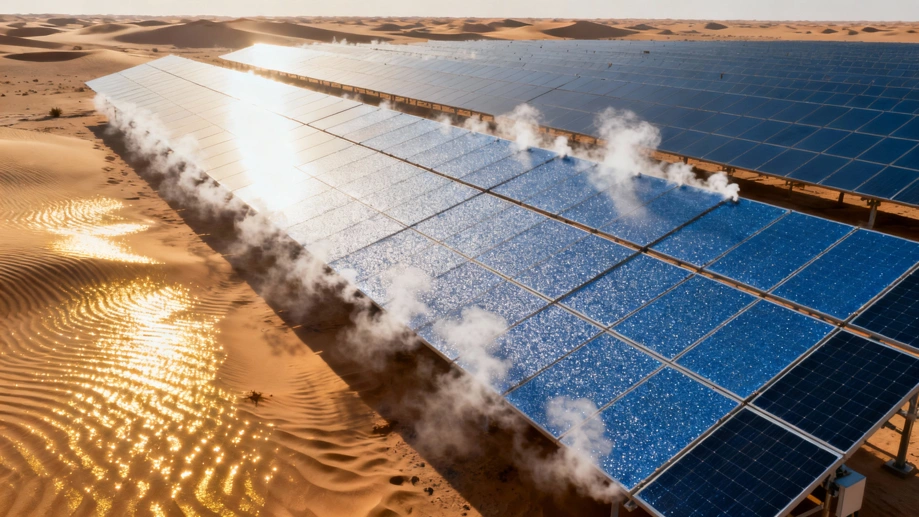
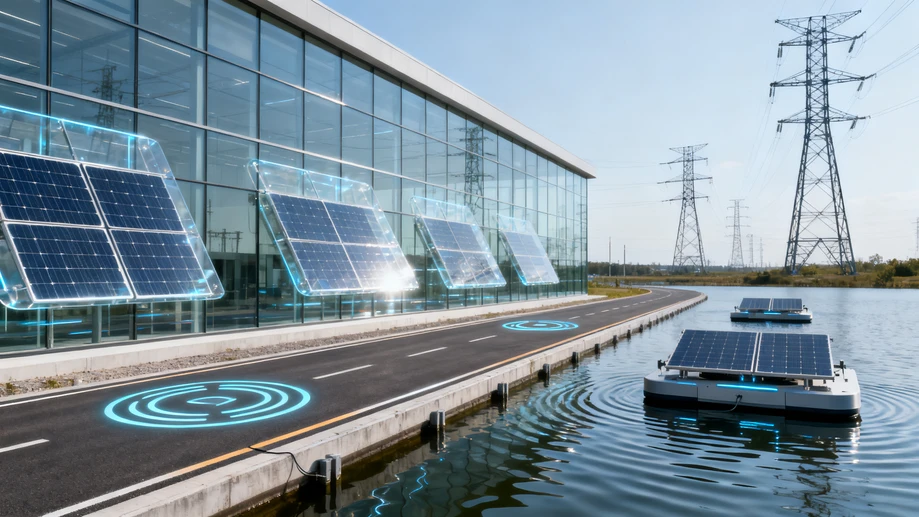
Imagine sidewalks that generate electricity with every footstep and office windows that power computers while blocking glare. This isn't science fiction - it's happening right now through piezoelectric pavements and transparent solar panels. As you walk downtown, embedded tiles convert kinetic energy from your steps into usable electricity, feeding streetlights after dark. Meanwhile, crystalline silicon layers in window glass harvest sunlight without obstructing views, quietly charging building systems. These technologies turn passive structures into active power generators, creating invisible networks of clean energy woven into urban landscapes.
Ocean waves now power coastal communities through buoyant generators bobbing just below the surface. Using magnetic induction systems submerged near shorelines, floating platforms convert heaving motions into consistent electricity. Portugal's Aguçadoura project already demonstrated this by supplying 1,500 homes with wave-generated power. Similar technology appears in rivers where underwater turbines spin silently, harnessing steady currents without disrupting aquatic ecosystems. Like underwater windmills, these generators provide predictable baseload power day and night, unaffected by weather changes.
Agricultural waste undergoes remarkable transformations in bio-refineries across rural America. Corn stalks and rice husks enter digesters where bacteria break them down into renewable natural gas. This biomethane flows directly into existing gas pipelines, heating homes without drilling. In parallel, thermal conversion turns nut shells and forestry residues into bio-oil for power plants. These processes divert millions of tons of organic waste from landfills annually while creating carbon-negative energy - actively removing CO₂ equivalents from the atmosphere during production.
Electric vehicle charging sees radical innovation through roadway-integrated systems. In Sweden and Detroit, copper coils beneath asphalt lanes transfer electricity to passing cars like invisible extension cords. This dynamic charging eliminates range anxiety during road trips - batteries top up while driving. Meanwhile, "robot chargers" emerge in parking garages, where autonomous arms plug into vehicles using computer vision. These innovations enable smaller batteries in future EVs, reducing lithium dependency and making electric mobility accessible beyond home-charging scenarios.
Microgrids now empower neighborhoods with blockchain-managed energy sharing. Solar-paneled homes trade excess electricity peer-to-peer through automated systems. When one house generates surplus power, smart algorithms redirect it to neighbors or local businesses, updating transactions on decentralized ledgers. These community grids proved resilient during recent hurricanes, maintaining power when central systems failed. Enabled by bidirectional "vehicle-to-grid" chargers, even parked EVs contribute backup power during outages, transforming transportation into emergency infrastructure.