Is Your Fridge Judging Your Snack Choices?
How everyday appliances became secret data detectives in your kitchen
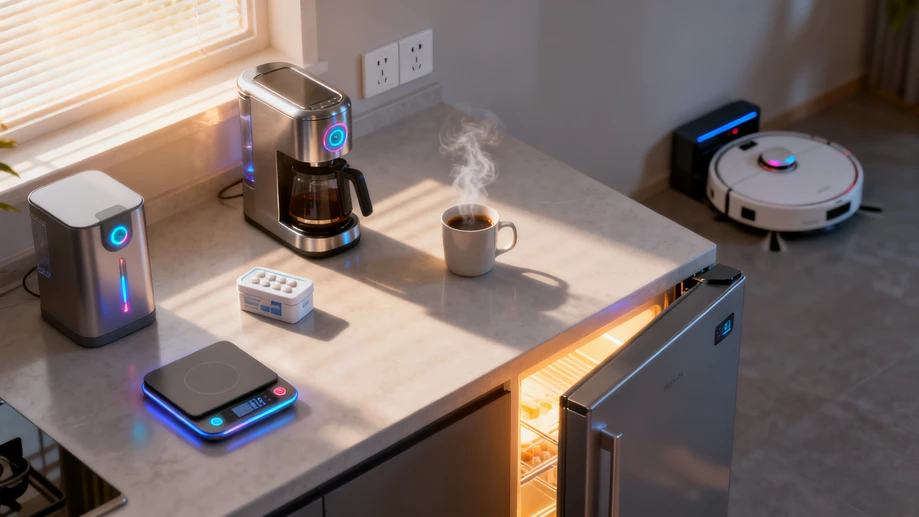
That innocent-looking refrigerator humming in your kitchen might be compiling a dossier on your midnight snacking habits. Modern smart fridges don't just chill milk—they track expiration dates, monitor consumption patterns, and even suggest recipes based on what's running low. This quiet revolution began with simple inventory cameras but now includes weight sensors in shelves and AI that learns your family's eating routines. The real magic happens when your fridge chats with your smart oven, suggesting cooking times for that chicken it knows you bought yesterday.
Consider your morning coffee ritual transformed by intelligence lurking in plain sight. Your smart mug doesn't merely keep beverages warm—it learns your preferred drinking temperature and syncs with your calendar. When your 8 AM meeting runs long, it gently reheats your latte precisely three minutes before you return. Meanwhile, motion sensors in pantry shelves detect when cereal boxes grow light, automatically adding them to your grocery list. These devices form an orchestra of convenience, conducting daily routines with minimal human input.
Your washing machine now operates like a fabric forensics lab. Advanced models identify clothing materials through RFID tags and smartphone photos, automatically selecting water temperature and cycle length. They detect unbalanced loads before the dreaded "thump-thump-thump" begins and send maintenance alerts when components wear down. Some even integrate weather forecasts—pausing drying cycles if rain approaches while you're out. This silent efficiency extends to robotic vacuums mapping floor plans with laser precision, remembering where your toddler drops crumbs daily.
Security systems evolved beyond cameras into predictive guardians. Doorbell cameras analyze package deliveries against your purchase history, flagging unexpected parcels. Window sensors distinguish between curious squirrels and actual intruders by analyzing vibration patterns. The most sophisticated systems integrate with smart lighting, creating "occupancy simulations" when you travel by mimicking your usual room-to-room movement patterns using historical data from your devices.
This invisible intelligence extends beyond homes into entire neighborhoods. Smart streetlights adjust brightness based on pedestrian traffic detected by sidewalk sensors, saving energy while improving safety. Water mains monitor flow patterns to pinpoint leaks before they become sinkholes. Even park benches collect environmental data, helping cities optimize green space maintenance. The mundane objects surrounding us are becoming collective nervous systems, processing information to streamline urban living.
The real transformation isn't flashy robots but subtle optimizations accumulating into significant life enhancements. When your thermostat learns to warm the bathroom before your alarm sounds, or your car syncs with your calendar to preheat during winter meetings, technology fades into the background. These quiet helpers reduce daily friction, proving that the most revolutionary tech isn't what demands attention—but what anticipates needs before we voice them. The question shifts from "What can this gadget do?" to "What problem did I used to have that simply disappeared?"