Is the Internet Finally Growing Up? Web3's Awkward Teenage Years
Exploring the clumsy yet transformative phase of our digital evolution
Imagine the internet as a moody teenager – lanky, slightly confused, but buzzing with rebellious energy. That's Web3 right now. We've moved beyond the static 'brochureware' of Web1 and the social media dominance of Web2, entering a phase where power shifts from corporations to users. It's not about flashy sci-fi; it's about quietly reimagining ownership. When you buy a digital concert ticket that can't be duplicated or revoked, or tip a creator directly without a platform taking 30%, that's Web3 working in the background – like an adolescent learning to assert independence.
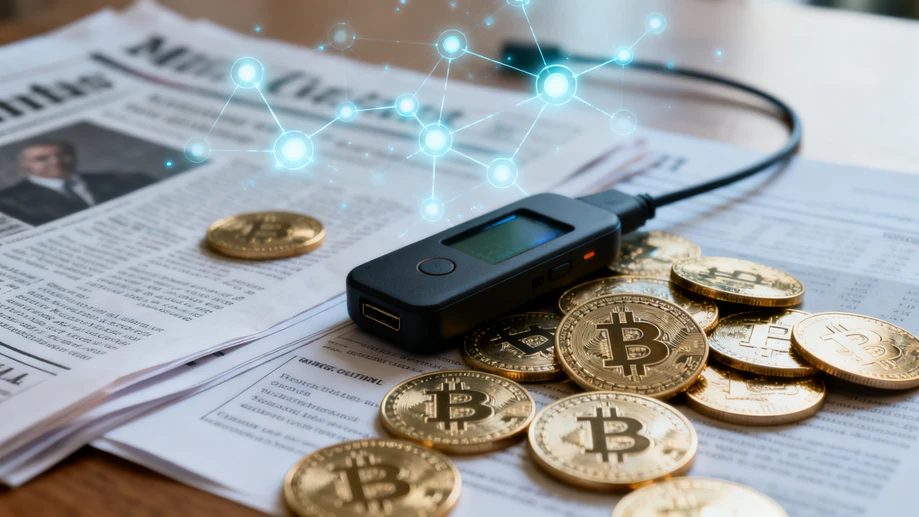
Three seismic shifts define this phase: decentralization wrestles control from tech giants; blockchain acts as an unchangeable digital ledger; and tokenization creates new economies. Consider Ethereum's blockchain – it's not owned by any company, yet it processes billions in value daily through smart contracts. These self-executing digital agreements handle everything from insurance payouts to royalty distributions automatically. Meanwhile, tokens turn everything from gaming achievements to carbon credits into tradable assets. Your game character's rare sword? Now verifiably yours, potentially sellable across different virtual worlds.
Real-world experiments are already underway. Fashion houses release NFT-secured digital twins for physical garments, allowing resale royalties. Neighborhood DAOs (decentralized autonomous organizations) pool funds via crypto wallets to renovate local parks, with every expense transparently recorded. Even mundane tasks get upgrades: Imagine verifying a diploma's authenticity in seconds via blockchain instead of waiting weeks for university admin. These aren't distant fantasies – platforms like Uniswap already process more daily volume than some stock exchanges.
Growing pains persist, however. Crypto wallets remain baffling for non-techies, akin to handing a rotary phone to a TikTok native. Energy consumption debates rage – though newer blockchains like Solana use 99% less electricity than Bitcoin. Regulatory uncertainty looms large; governments struggle to classify tokens that function as currency, security, and loyalty points simultaneously. And yes, scams exist – just as email spawned phishing, new tech births new exploits. This adolescence is messy but necessary.
The trajectory is clear: friction will decrease as wallet interfaces simplify and 'gas fees' (transaction costs) stabilize. Zero-knowledge proofs will enhance privacy by validating data without exposing it. Most crucially, Web3 won't replace the current internet but integrate with it – your existing social logins might soon interact with blockchain profiles. Like any teenager, Web3 will mature. The awkward phase? Merely the price of reinventing how we trust, transact, and own in the digital realm.