Your Home Just Got a Whole Lot More Exciting!
Discover how smart gadgets turn everyday routines into delightful adventures.
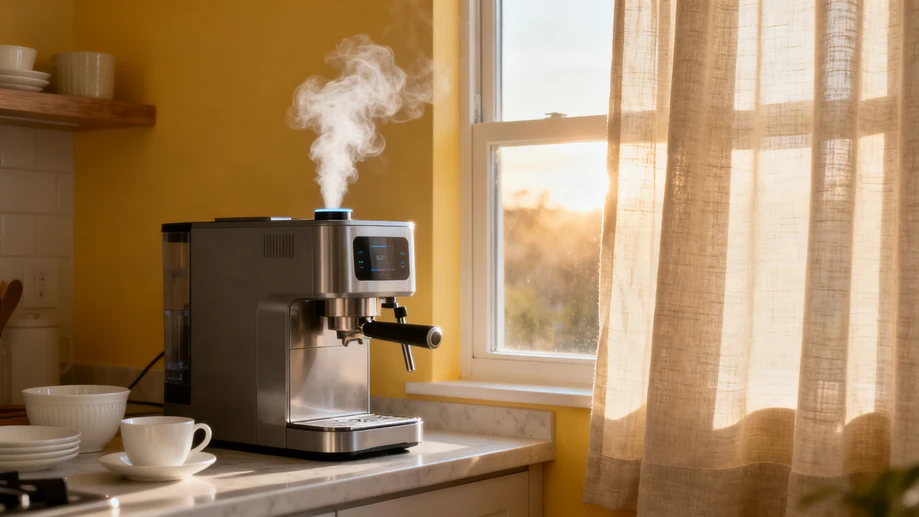
Imagine waking up to the gentle hum of your coffee machine brewing a perfect cup, all without lifting a finger. This isn't science fiction—it's the reality of smart homes today, where intelligent devices seamlessly integrate into our lives, making the mundane magical. From voice-activated assistants that play your favorite tunes to lights that adjust with your mood, the rise of smart technology has transformed houses into responsive, intuitive spaces. It's not just about convenience; it's about adding a spark of joy to daily rituals. People are embracing this shift because it feels like having a personal genie at home, ready to grant wishes with a simple command. The best part? You don't need a tech degree to join in—most setups are plug-and-play, designed for real families in real neighborhoods.
At the heart of this revolution are everyday gadgets that have become household staples. Think of smart speakers like Amazon Echo or Google Nest, which respond to your voice to control music, set reminders, or even tell jokes during dinner. Then there are smart bulbs from brands like Philips Hue, which can change colors based on the time of day or your activities—dimming for movie nights or brightening for morning workouts. Security systems, such as Ring doorbells, offer peace of mind by sending alerts to your phone when someone approaches, all while you're away. These devices connect via Wi-Fi or apps, creating a network that learns your habits over time. For instance, a smart thermostat like Nest learns your schedule and adjusts temperatures automatically, saving energy without you ever touching a dial. It's like having a silent butler who anticipates your needs, turning chores into effortless experiences.
The benefits extend far beyond mere novelty, delivering tangible perks that enhance daily living. Convenience tops the list: with smart plugs, you can turn off appliances remotely, avoiding those frantic dashes back home because you forgot the iron. Energy savings are another win—smart thermostats can cut heating bills by up to 15% by optimizing usage, while automated lights ensure no watt is wasted. Safety features, like cameras that detect motion or smoke alarms that send alerts, provide an extra layer of protection, especially for families with kids or pets. But the real charm lies in the personalization: devices adapt to your routines, creating moments of delight. Picture a morning where your blinds open as sunlight streams in, synced with your alarm, or an evening where lights dim as you settle in for a book. It's these small, joyful interactions that make life feel smoother and more connected.
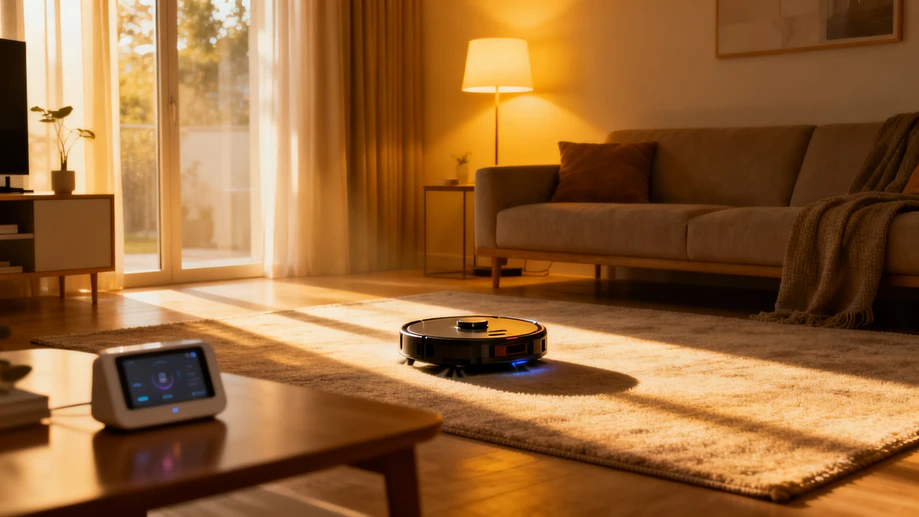
Real-life stories bring this tech to life, like Sarah's family in suburban Chicago. They started with a smart speaker for music but soon added a robot vacuum that cleans while they're at work. "It's like magic," Sarah laughs. "We come home to a spotless floor, and the kids love asking Alexa for homework help." Another example is Mark, a busy professional who installed smart locks. "I used to worry about losing keys, but now I unlock my door with my phone—it's saved me from countless panics." These anecdotes highlight how smart homes aren't reserved for the wealthy; affordable kits under $200 can get you started. The key is gradual integration: begin with one device, see how it fits, and expand. Many users report feeling more in control and less stressed, as tech handles the repetitive tasks, freeing time for hobbies or family fun.
Getting started is easier than ever, with user-friendly apps guiding setup in minutes. Experts recommend beginning with a hub like Samsung SmartThings to connect devices, then adding elements like smart plugs or sensors. Future trends point toward even more integration, such as AI that predicts needs based on weather or health data—imagine your home suggesting a cozy blanket on a chilly night. But it's not all rosy; privacy concerns exist, so choosing reputable brands with strong encryption is crucial. The key is balance: use tech to enhance, not replace, human interactions. For those curious, online communities and stores offer demos to test gadgets firsthand. Ultimately, smart living is about empowerment, turning homes into partners that support your lifestyle, not complicate it.
In the end, embracing smart home tech is about unlocking a world of effortless joy. It's not a futuristic dream but a present-day reality that anyone can access. As devices evolve, they promise even more personalized experiences, from energy efficiency to creative expression. So why not take the leap? Start small, explore the possibilities, and watch as your home transforms into a haven of convenience and delight. The future is here, and it's wonderfully ordinary—just smarter.