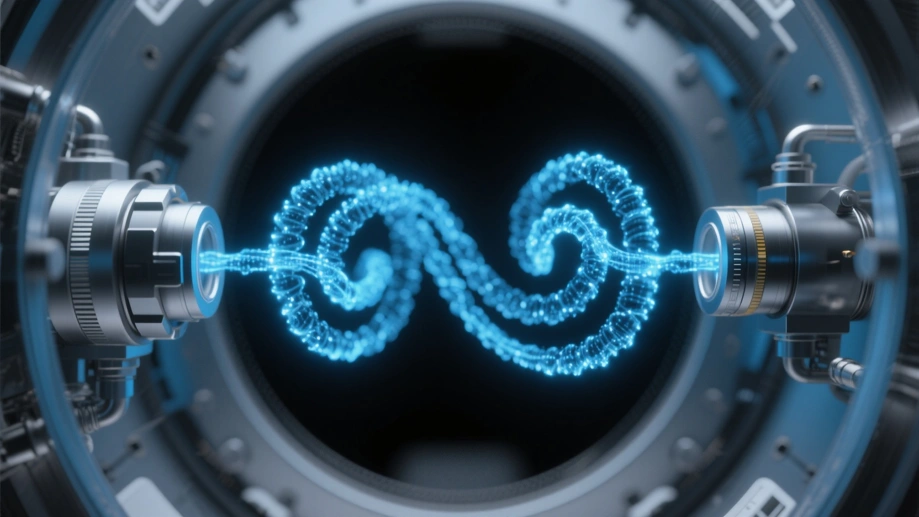
The Ocean's Pulse: Tapping into Wave Energy
How the eternal motion of the sea could light up our homes
Picture the last time you stood by the ocean – remember the hypnotic rhythm of waves endlessly rolling toward shore. That ceaseless movement holds more power than meets the eye. Across the globe, engineers are now capturing this aquatic energy through wave energy converters, turning oceanic ballet into usable electricity. Unlike solar or wind which depend on specific weather, waves offer a relentless energy source, created by winds blowing across thousands of ocean miles. The secret lies in their consistency; while wave height fluctuates, the ocean's heartbeat never truly stops.
The simplest wave energy devices work like mechanical hearts implanted in the water. Buoyant structures bob on the surface, connected to pistons or hydraulic pumps below. As waves lift these floats, their motion drives generators – similar to how a wind turbine spins but powered by water instead of air. Other designs use oscillating columns where rising and falling water levels push air through turbines. There's even the "wave snake" approach: long segmented tubes floating on the surface that flex at their joints with each passing wave, generating power through hydraulic motors at each hinge point. It's an elegant solution that mirrors the ocean's own undulations.
What makes this technology particularly clever is its dual purpose potential. Some coastal installations integrate wave farms with existing sea defenses. Concrete breakwaters that normally just absorb wave energy now contain special chambers where water rushes in and out, spinning turbines during its cycle. This coastal upgrade transforms passive structures into active power stations, protecting shores while generating electricity simultaneously. Researchers estimate certain high-wave coastlines could theoretically supply over 40% of nearby communities' electricity through such hybrid systems – turning coastal vulnerability into an advantage.
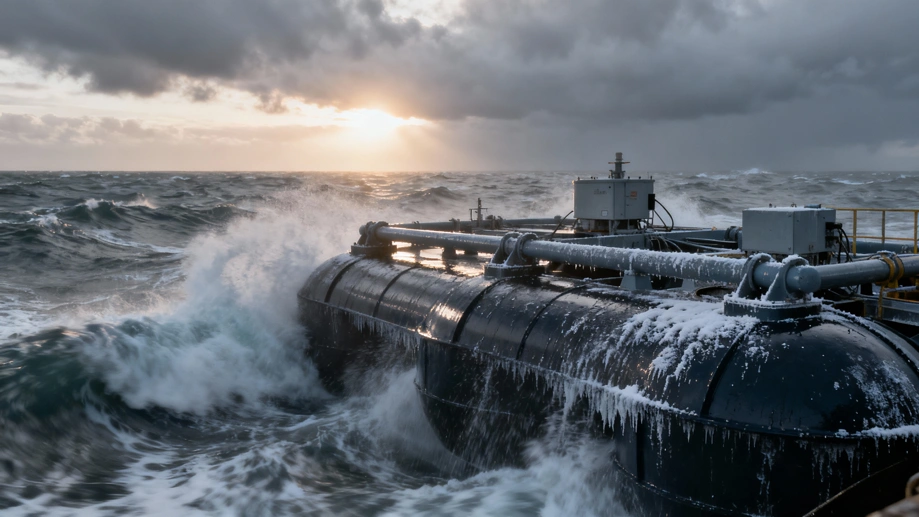
Implementation brings challenges requiring ingenious solutions. Saltwater corrodes metal, powerful storms threaten equipment, and underwater cabling adds complexity. Newer prototypes use flexible materials and simplified designs that survive harsh ocean conditions. Instead of rigid steel structures, some labs test durable rubber membranes and buoyant plastics resistant to corrosion. Maintenance strategies involve easy-retrieval systems where devices float to the surface when needed, avoiding costly diver operations. These incremental improvements matter significantly, since wave energy could eventually join our renewable energy mix.
Looking ahead, wave power's environmental footprint compares favorably to alternatives. Unlike dams that disrupt river ecosystems, wave farms create artificial reefs that attract marine life. Noise concerns prove lower than initially feared – tests show operational sounds blend into natural ocean acoustics. While still pricier than established renewables now, costs continue dropping as technology matures. With 70% of our planet covered by water, capturing even fractions of wave energy could significantly lighten our carbon load. The same tides that have shaped coasts for millennia may soon help shape a cleaner energy future.