5 Mind-Blending Technologies Quietly Revolutionizing Your Everyday Products
Discover how invisible innovations in manufacturing are reshaping everything from your sneakers to your smartphone
Imagine your running shoes adapting to your foot pressure with each step, or your refrigerator automatically reordering milk before it runs out. These aren't sci-fi fantasies but real-world applications of advanced manufacturing technologies silently transforming ordinary objects. The global manufacturing landscape is undergoing a radical metamorphosis, blending digital intelligence with physical production in ways that blur traditional boundaries. As factories evolve into interconnected ecosystems, they're creating products with unprecedented capabilities that seamlessly integrate into our daily routines.
At the forefront sits additive manufacturing's latest evolution: multi-material 3D printing. Gone are the days of single-component plastic trinkets. Today's industrial printers simultaneously deposit metals, polymers, and conductive inks to create functional electronic devices in one continuous process. Consider hearing aids customized to ear canals with embedded sensors that monitor vital signs, or automotive components that combine structural elements with integrated wiring. This technology eliminates assembly steps while enabling designs previously impossible with conventional methods, making everything from medical implants to aircraft parts lighter, stronger, and more efficient.
Meanwhile, nanotechnology coatings are performing daily miracles on surfaces we touch constantly. Ultra-thin, transparent films containing nano-engineered particles now protect eyeglasses from scratches, keep building windows self-cleaning through photocatalytic reactions, and even make fabrics resistant to coffee spills. More remarkably, these microscopic warriors are extending product lifespans dramatically—wind turbine blades coated with erosion-resistant nanomaterials last 40% longer, while engine components treated with friction-reducing layers significantly boost fuel efficiency in vehicles worldwide.
The quiet revolution continues with smart materials that dynamically respond to environmental stimuli. Shape-memory alloys in orthopedic braces automatically adjust support levels during physical activity, while temperature-regulating phase-change materials woven into athletic wear keep runners comfortable in varying climates. Most fascinating are self-healing polymers now appearing in smartphone cases and bicycle tires; microscopic capsules release healing agents when damage occurs, effectively sealing cracks without human intervention. These materials don't just make products last longer—they give them adaptive qualities previously found only in nature.
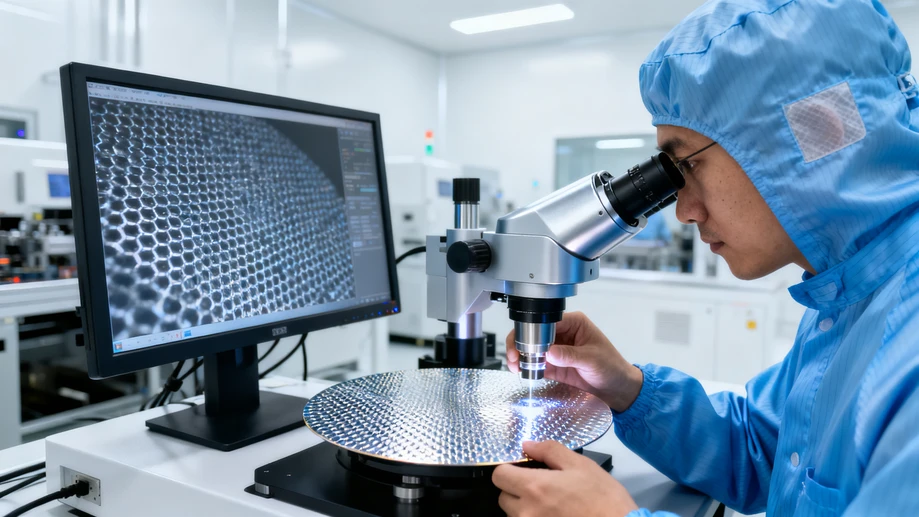
Beneath these tangible innovations lies the central nervous system: industrial artificial intelligence. Neural networks now predict machinery failures days in advance by analyzing subtle vibration patterns, while computer vision systems inspect products with superhuman precision—spotting micro-defects in pharmaceutical pills at production-line speeds. This digital brain extends beyond factory walls, with AI optimizing global supply chains by predicting regional demand spikes and rerouting shipments around port delays. The result? Fewer shortages of everyday goods and less wasted inventory, making store shelves more reliably stocked with the products we depend on.
Collectively, these technologies represent a paradigm shift from mass production to mass personalization. The same digital thread enabling a factory in Germany to monitor equipment health simultaneously allows a customer in Tokyo to customize a laptop's internal components before manufacturing begins. This convergence points toward a future where products actively improve through usage data feedback—your car's brake pads might automatically order replacement sensors when wear is detected, or your appliances could self-optimize energy use based on real-time utility pricing. As manufacturing intelligence becomes embedded in everyday objects, our relationship with physical products transforms from ownership to dynamic partnership.