Engineering Immunity: The Gene-Edited Fruits Fighting Extinction
How biotechnology arms vulnerable crops against invisible killers lurking in orchards worldwide.
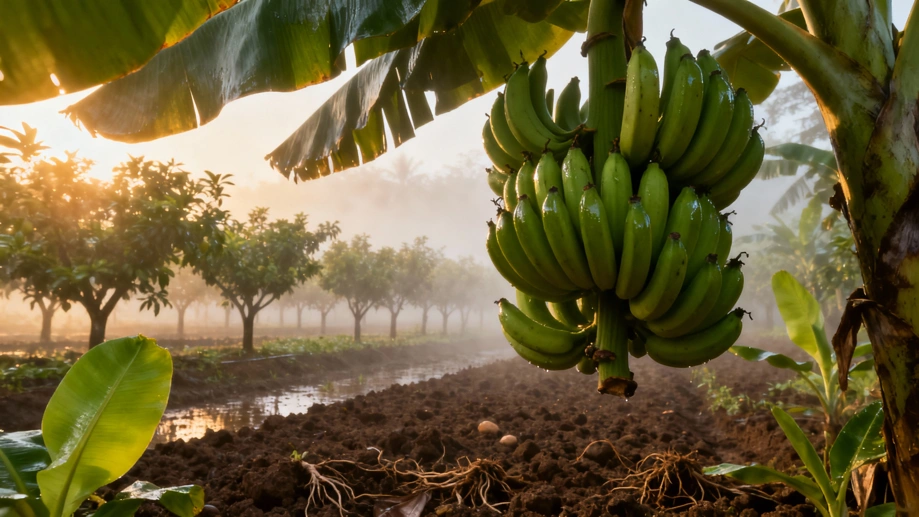
Picture walking through your favorite supermarket aisle and finding empty shelves where bananas should be. This scenario isn't science fiction – it's a real possibility haunting farmers worldwide. A silent pandemic sweeps through orchards as we speak, targeting fruits fundamental to global diets. Fungal diseases like Panama Disease Tropical Race 4 (TR4) creep through soil, decimating banana plantations by attacking plant vascular systems. Traditional breeding solutions move too slowly against these rapidly evolving pathogens, leaving farmers desperate and consumers facing potential shortages. This agricultural crisis demands revolutionary solutions emerging from cutting-edge biological laboratories now transferring discoveries directly to the field.
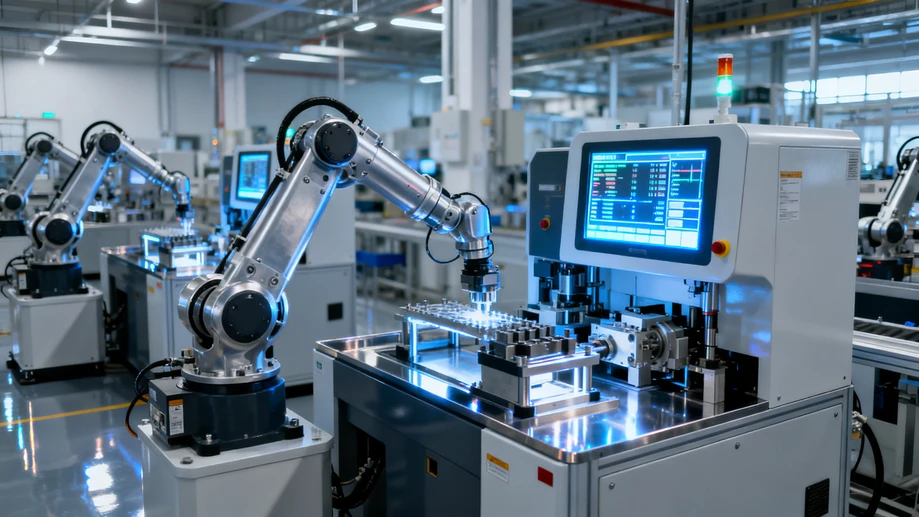
Gene editing stands at the forefront of this quiet revolution, particularly CRISPR-Cas9 technology which functions with astonishing precision. Imagine molecular 'scissors' guided by customized genetic 'GPS' systems. Scientists identify specific DNA sequences controlling a plant's vulnerabilities – say, the cellular doorway that allows a devastating fungus entry into banana trees. By snipping out or tweaking these precise genetic segments, researchers shut down the pathogen's invasion route. The plant retains all its original characteristics except one crucial upgrade: disease resistance built directly into its genetic architecture. This precise approach contrasts sharply with older methods involving wholesale foreign gene transfers.
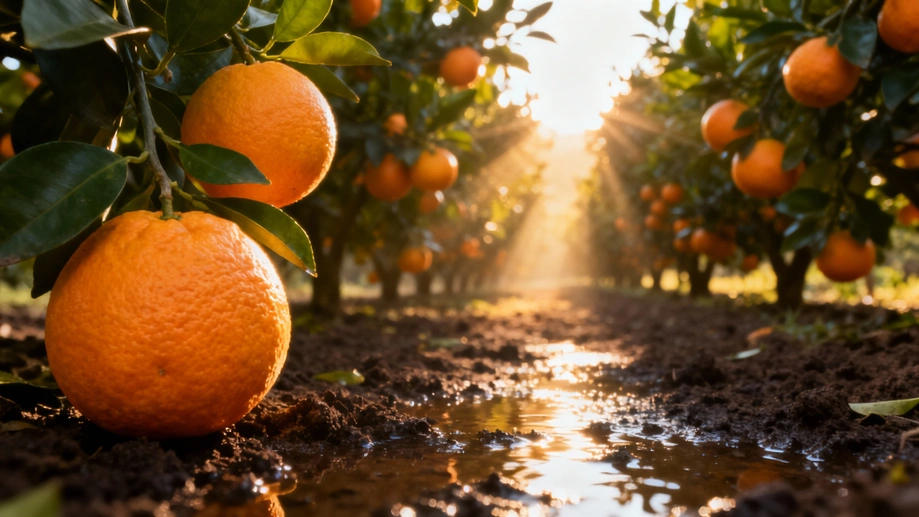
The transformations unfolding through these molecular adjustments carry profound advantages beyond disease resistance for small-scale growers and commercial farms alike. Consider growers constantly battling citrus greening disease which turns oranges bitter and green before destroying entire trees. Gene-edited citrus varieties under development contain natural resistance mechanisms borrowed from wild, hardy relatives. Such innovations could drastically reduce dependence on chemical fungicides, lowering production costs while benefitting soil health and surrounding ecosystems. Smaller orchards, often operating without expensive protective infrastructure, gain sustainable tools for survival against previously unbeatable crop diseases threatening their livelihoods and local food systems.
Public discussions sometimes blur distinctions between genetic editing technology and genetic modification, yet crucial differences exist worthy of consumer understanding. Gene editing typically involves minor, targeted tweaks leveraging a plant's existing genetic repertoire rather than inserting foreign DNA from unrelated species. The resulting varieties frequently could occur naturally through spontaneous mutation, just accelerated through guided scientific intervention. Regulatory bodies increasingly recognize this distinction, adopting different evaluation frameworks compared to transgenic organisms. Ongoing research meticulously evaluates any potential unexpected effects using advanced molecular screening techniques to ensure safety equivalence with traditionally bred counterparts.
Looking forward, genetic editing promises accelerated development cycles for resilient fruit varieties far beyond current applications. Scientists investigate extending shelf-life by delaying ripening genes in berries, enhancing vitamin content in tropical fruits, and engineering tolerance to extreme temperatures shifting with climate volatility. Tropical regions facing dual pressures of intensive heat waves and emerging fungal diseases stand to gain dramatically from crops tailored for resilience. Such rapid adaptation mechanisms were previously unimaginable using conventional breeding alone. Global agricultural systems need these tools urgently as rising temperatures create favorable conditions for pathogen spread into new territory.
Despite tremendous promise, navigating complex societal acceptance remains integral to biotechnology's successful integration into food production. Open dialogue between scientists, farmers, policymakers and consumers addresses legitimate questions about ecosystem impacts, accessibility for resource-poor growers, and equitable technology distribution. Regulatory clarity remains vital for establishing international trade pathways ensuring global food security benefits all populations. Ongoing independent research actively monitors long-term ecological effects around gene flow while developing failsafe containment strategies. This responsible approach ensures that engineered immunity strengthens rather than disrupts natural farming environments and traditional practices worldwide.
The transformation from vulnerable crops to resilient super-produce unfolds not in sterile labs but directly within rich orchard soils. Technological power grows alongside deepening understanding of ecological relationships shaping sustainable agriculture. Instead of replacing nature, this emerging science collaborates with intricate biological systems we're only beginning to comprehend. Farmers watch hopefully as gene-edited saplings mature where previous harvests perished. They represent more than scientific achievement – they embody enduring human commitment to preserve nature's bounty against microscopic threats endangering essential fruits enjoyed across civilizations for millennia.