Wind Whispers: How Turbines and Birds Coexist
The Unseen Technology Saving Our Feathered Friends
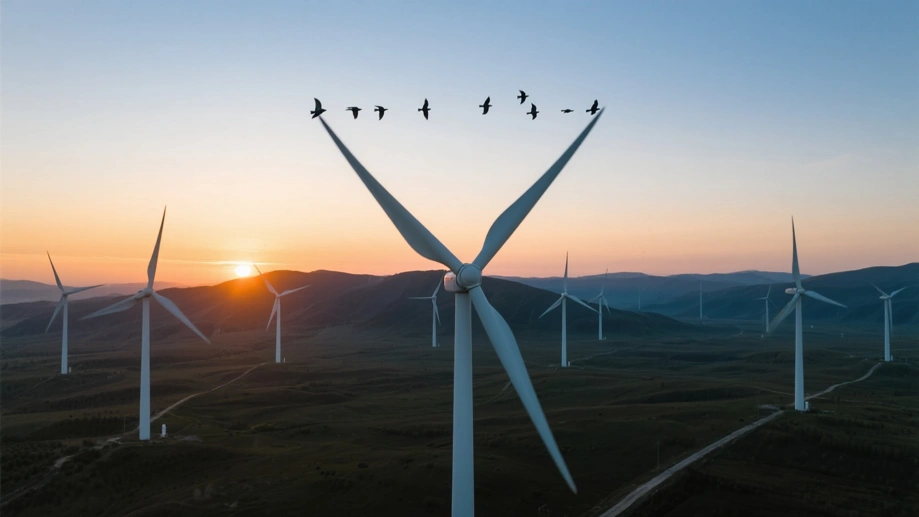
Picture giant wind turbines slowly spinning against a sky dotted with migrating birds. It’s a scene that once spelled doom for wildlife, but cutting-edge technology is changing the narrative. For years, wind farms faced criticism for bird collisions, with studies showing turbine blades could strike everything from eagles to songbirds during migration seasons. The challenge was monumental: how do we harvest clean energy without harming these essential creatures?
Enter artificial intelligence-powered detection systems. These high-tech sentinels combine radar, cameras, and machine learning to spot approaching flocks up to a kilometer away. Unlike simple motion sensors, AI analyzes flight patterns, identifying bird species and predicting collision risks in real-time. When danger looms, turbines automatically enter "idle mode" – slowing blades to near standstill until the sky clears. It's wildlife preservation at digital speed.
This technology’s brilliance lies in its learning capability. Each detection feeds its neural network, improving accuracy constantly. Early systems struggled with false alarms triggered by clouds or large insects, but modern iterations distinguish between a dragonfly and an osprey with over 95% accuracy. As data accumulates, the systems adapt to local migration routes and seasonal patterns, becoming custom guardians for each wind farm.
Beyond detection, innovative engineering minimizes risks proactively. Turbine operators now use specialized paint – one blade coated in ultraviolet-reflective black that stands out starkly to avian eyes against the rotating white blades. Field tests reveal birds alter flight paths up to 75% earlier compared to all-white turbines. Combined with ultrasonic sound emitters creating invisible "keep out" zones, these subtle tweaks dramatically reduce accidents.
The payoff extends beyond conservation. Wind farm operators benefit through reduced downtime – shutdowns triggered only when necessary rather than blanket pauses during migration seasons. Energy output increases while litigation risks plummet. Communities near wind farms report fewer concerns about local wildlife impacts, smoothing renewable energy expansion approvals. This tech creates a rare win-win for both green energy advocates and conservationists.
Looking ahead, new frontiers emerge. Researchers are testing artificial intelligence algorithms that interpret bird vocalizations, identifying distress calls that signal nearby predators. Future turbines may automatically adjust operations when nature's alarms sound. Others explore decentralized wind harvesters – smaller vertical-axis turbines scattered across landscapes instead of concentrated farms. These alternatives offer lower yields but dramatically decrease collision zones.
What began as reactive shutdowns has evolved into a symbiotic relationship between wind power and wildlife. The same technology promising energy independence now pioneers ecological cohabitation. As migrations continue beneath spinning blades, these unblinking digital guardians prove innovation and nature need not compete – they can spin together in harmony, literally moving towards a greener future.