Witness the Future of Power Unfold Before Your Eyes
Unlock the secrets of revolutionary energy breakthroughs that are reshaping our daily lives and saving the planet right now.
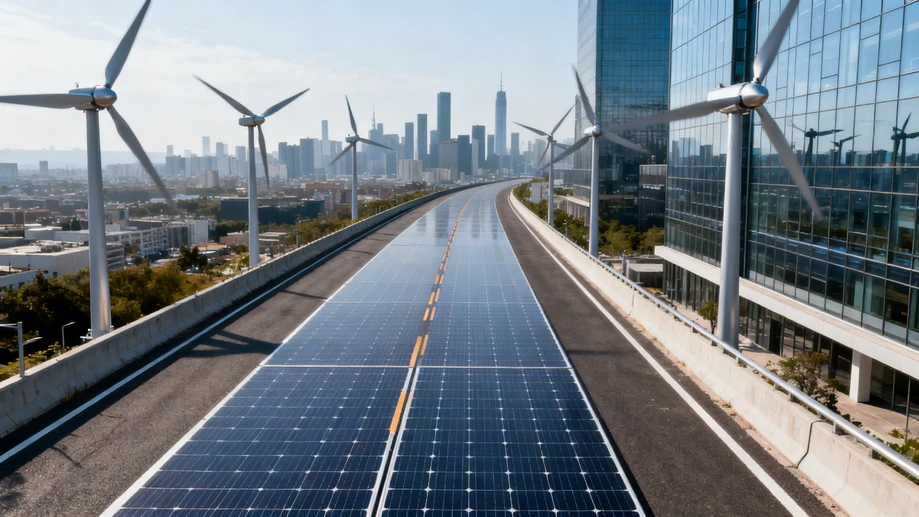
Imagine a world where your home powers itself with sunlight harvested from smart windows, your car charges while parked on a solar road, and entire cities run on clean, limitless energy – this isn't science fiction; it's the reality being forged by global advancements in renewable technology. As climate change accelerates, scientists and engineers are racing to deploy innovations that make sustainable energy not just viable but irresistibly efficient and affordable. From floating wind farms to self-healing batteries, these technologies are slipping into everyday routines, slashing carbon footprints without fuss. How did we get here? Decades of research have culminated in a surge of real-world applications that feel almost magical, yet they're as grounded as your morning coffee. The shift is happening fast: by 2030, renewables could dominate global grids, offering a lifeline against rising energy costs and environmental decay. This article dives into the most thrilling frontiers, revealing how each breakthrough turns the mundane into the extraordinary.
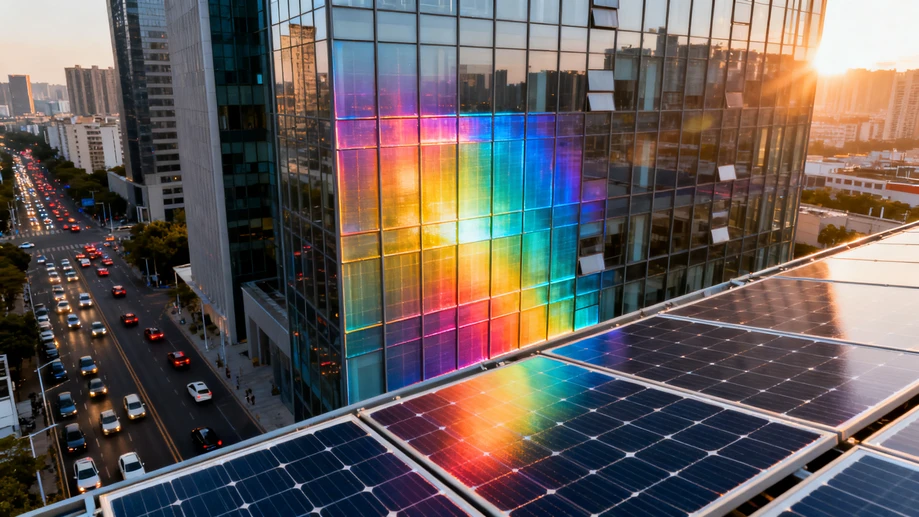
Solar power is no longer just rooftop panels; it's evolving into hyper-efficient systems that mimic nature's genius. For instance, perovskite solar cells, once a lab curiosity, now boast efficiencies over 25% and are being integrated into windows and fabrics, harvesting light even on cloudy days. Companies like Oxford PV are scaling production, with installations hitting homes across Europe and Asia – imagine your office building's glass facade generating power while blocking heat. Then there's bifacial panels, which capture sunlight from both sides, boosting output by up to 30% in real-world settings like parking lots or farms. These innovations aren't distant dreams; they're hitting markets, with prices dropping 80% in a decade, making solar the cheapest energy source in history. On a sunny day, your smartphone could charge via transparent solar films on bus stops, proving that energy independence starts at the street level. Plus, AI-driven systems optimize panel angles in real-time, ensuring every ray counts – a quiet revolution powering households without a single coal plant in sight.
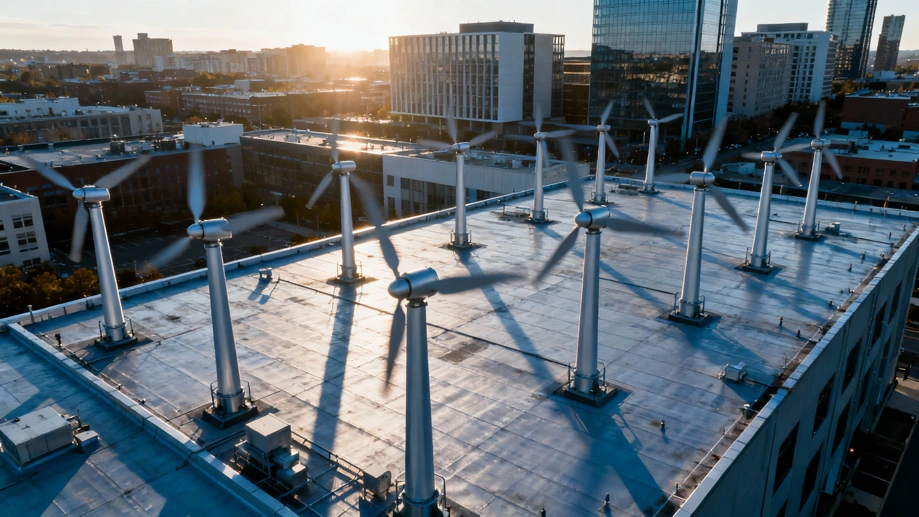
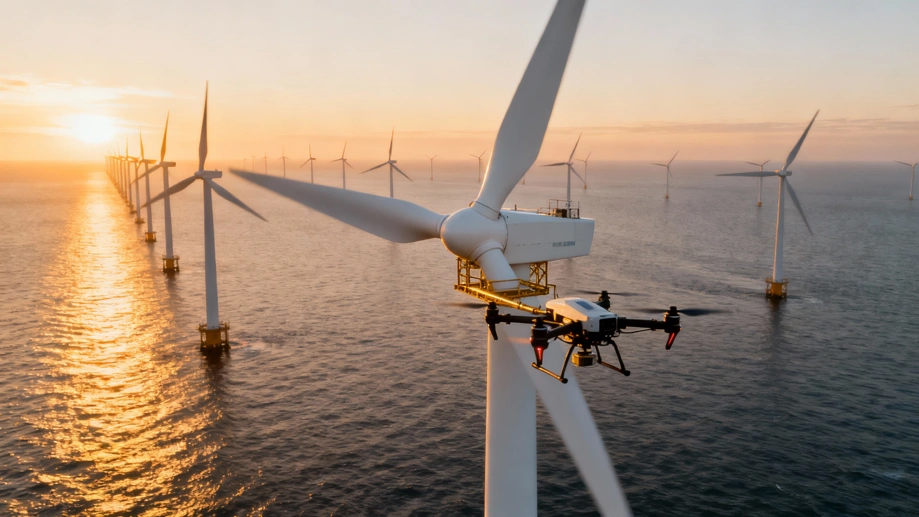
Wind energy is soaring to new heights with offshore turbines that defy gravity and weather. Enter floating platforms, tethered in deep oceans, where stronger winds yield up to 50% more power than land-based counterparts. Projects like Norway's Hywind Tampen harness this, supplying energy to oil rigs while reducing emissions – a stark contrast to traditional setups. Innovations like vertical-axis turbines, inspired by hummingbird wings, spin efficiently in turbulent air, allowing deployment in urban areas or remote islands. Recent tests show these devices cutting noise and bird collisions, integrating seamlessly into daily life. On a breezy afternoon, your local grocery store might draw power from rooftop mini-turbines, demonstrating how elegance and utility merge. With costs plummeting, wind could supply a fifth of global electricity by 2030, turning gusty coasts into gold mines without visual blight. Even your kids' school could soon host silent, low-profile units, weaving renewable energy into the fabric of community without fuss.
Storage solutions are the unsung heroes, transforming intermittent sources into reliable powerhouses. Solid-state batteries, replacing flammable liquids with stable ceramics, promise faster charging and longer life for everything from EVs to grid backups. Firms like QuantumScape are near market rollout, aiming to double electric vehicle ranges to 500 miles on a 15-minute charge – picture road trips without range anxiety. Meanwhile, flow batteries store excess solar for nighttime use, scaling up to power small towns safely. Then there's gravity storage, where massive weights are lifted in abandoned mines, releasing energy on demand; it's simple physics saving pennies per kilowatt-hour. In your home, smart systems shuffle energy between appliances, slashing bills by 30% while easing grid strain. These aren't sci-fi fantasies; pilot projects in California and Germany already balance supply during peak hours, ensuring your Netflix binge never flickers. As materials advance, costs could halve by 2025, cementing storage as the backbone of a resilient, everyday energy net.
Emerging frontiers like green hydrogen and geothermal are pushing boundaries from underground to sky-high. Green hydrogen, produced by splitting water with renewable electricity, fuels factories and planes without emissions – Germany's steel plants are testing it to decarbonize heavy industry. Imagine trucks running on hydrogen stations that pop up overnight, rivaling gasoline in speed and cost. Geothermal tech, too, is heating up with enhanced systems that tap into Earth's heat through deep drilling, providing constant power for homes in cold regions. Innovations like flexible drilling bits reduce expenses, making it viable in suburbs globally. On a frosty morning, your heating might come from natural heat pumps beneath the street, a silent force against winter chills. These technologies are bridging gaps, with hydrogen expected to supply 20% of global energy by 2050, while geothermal promises round-the-clock reliability where wind and sun falter. Together, they form a mosaic of solutions, each piece fitting into daily routines without disruption.
As these technologies converge, they paint a future where energy is abundant, cheap, and clean, transforming how we live, work, and play. No more blackouts or soaring bills; smart grids orchestrate flows, while AI predicts demand with uncanny accuracy, making waste a relic. The shift is personal: your electric car becomes a power bank for the neighborhood, and vacations could include energy-positive hotels. Economically, it's a boon – green jobs surge, with solar and wind industries outpacing fossils in growth. Challenges remain, like scaling infrastructure, but policies and investments are accelerating deployment. By embracing these innovations, we're not just surviving; we're thriving in a world where sustainability is the new normal. So, next time you flip a switch, remember: that light is powered by brilliance as boundless as human ingenuity itself.