Is Your Morning Coffee Funding a Global Trade War?
Bean Battles Brewing in International Markets
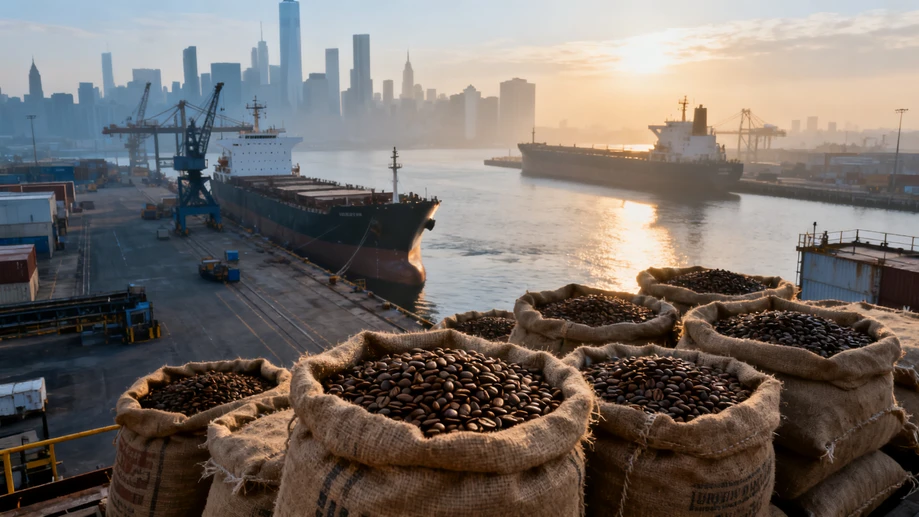
That steaming cup of coffee kickstarting your day is more than just caffeine; it's a liquid link in a complex, high-stakes global supply chain. Imagine your Arabica beans embarking on an epic journey: grown on misty Ethiopian highlands or Brazilian plateaus, harvested by hand, then sold to international traders, shipped across oceans in giant containers, roasted in distant factories, and finally landing on your supermarket shelf. This intricate dance involves farmers, exporters, shipping giants, commodity traders, banks, roasters, and retailers – each step influenced by volatile currency exchange rates, fluctuating fuel costs, unpredictable weather patterns, and shifting international trade policies. The price you pay reflects not just the bean, but a symphony of global economic forces.
Behind the scenes, a silent army of "bean bankers" – trade finance specialists – keeps this flow moving. When a Brazilian exporter sells beans to a German roaster, neither wants to shoulder all the risk. Enter trade finance instruments like Letters of Credit (LCs). Issued by the roaster's bank, the LC acts as an ironclad promise: "If the beans arrive as specified, we *will* pay." This gives the exporter confidence to ship. The exporter's bank might then provide pre-shipment finance based on this LC, ensuring the farmer gets paid promptly. Without this financial lubrication, the entire global coffee trade, worth over $100 billion annually, could grind to a halt. It's the invisible grease in the gears of commerce.
But the bean market isn't just physical; it's also a whirlwind of paper promises on futures exchanges like ICE Futures U.S. in New York. Here, traders buy and sell contracts agreeing to deliver coffee at a set price on a future date. This isn't about getting actual beans; it's about hedging risk or speculating. A big roaster might buy futures to lock in today's price, protecting against a potential future spike. A hedge fund might buy futures betting on a Brazilian frost causing prices to soar. This constant churn of futures trading creates the benchmark "C-price" that dictates what farmers worldwide receive. It's the "coffee Wall Street," where weather forecasts from Vietnam and political instability in Colombia cause instant price ripples felt globally.
Trade tensions are the bitter grounds in this brew. Tariffs, quotas, or sanctions imposed between major economies act like kinks in the coffee hose. Imagine Country A slaps tariffs on Country B's green beans. Overnight, Country B's beans become more expensive for roasters in Country A. Roasters scramble: absorb the cost (hurting profits), pass it to consumers (hurting demand), or find new suppliers. Country B's farmers suffer plummeting demand. Meanwhile, farmers in Country C, not subject to tariffs, see a sudden boom. Supply chains reroute, often inefficiently, increasing costs and delays. Trade wars don't just create winners and losers among nations; they create chaos and uncertainty throughout the entire value chain, ultimately impacting the price and availability of your daily cup.
So, what does this mean for your wallet and your brew? When the intricate dance stumbles – due to a shipping container shortage, a drought in a major producing region, or a sudden trade spat – the cost gets baked in. You might see smaller bags for the same price, a slight increase at the cafe, or your favorite brand temporarily out of stock. The volatility in the underlying commodity market, amplified by financial speculation and geopolitical friction, trickles down. Understanding this complex web isn't just about economics; it’s about appreciating the astonishing global collaboration (and occasional conflict) required to deliver that simple, essential pleasure in your mug every morning. The world truly runs on coffee, and its journey is a masterclass in global finance.