Can Your Toaster Predict Your Morning Mood?
How everyday appliances are quietly getting smarter than your expectations
The quiet hum of your refrigerator suddenly offers a grocery list. Your doorbell alerts you with face recognition before your visitor even rings. These aren't sci-fi scenarios—they're current realities in millions of homes. Smart technology has evolved beyond gadgets to become seamless, predictive helpers integrated into mundane objects. Manufacturers now embed machine learning chips into coffee makers, vacuum cleaners, and yes, even toasters. These devices observe patterns: your thermostat notices you adjust temperature at 7 PM daily, your bathroom mirror tracks skin hydration trends, your security camera distinguishes between pets and humans to avoid false alarms. The revolution is occurring silently, transforming household items from passive tools into intuitive assistants.
What makes these machines "intelligent" isn't magic—it's sensor fusion and pattern recognition. Take a smart oven: internal cameras monitor food browning while moisture sensors detect steam levels. Combined with thousands of cooking data points, it calculates optimal heating. Modern smart speakers employ beamforming microphones that isolate voices from background noise like blenders or TV audio. Fitness trackers analyze subtle gait changes that precede illnesses, sometimes alerting users before symptoms appear. This technological symphony relies on tiny processors crunching data locally, eliminating the "creep factor" of constant cloud uploads while preserving privacy through on-device processing.
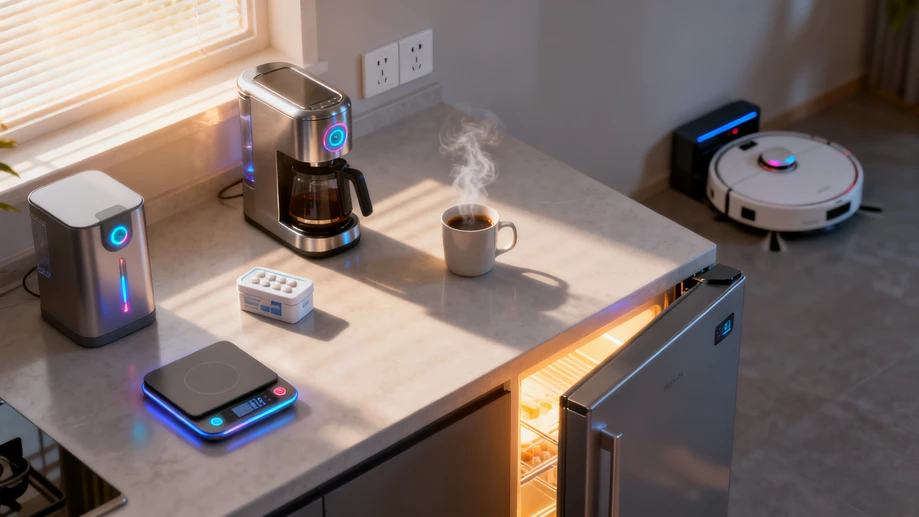
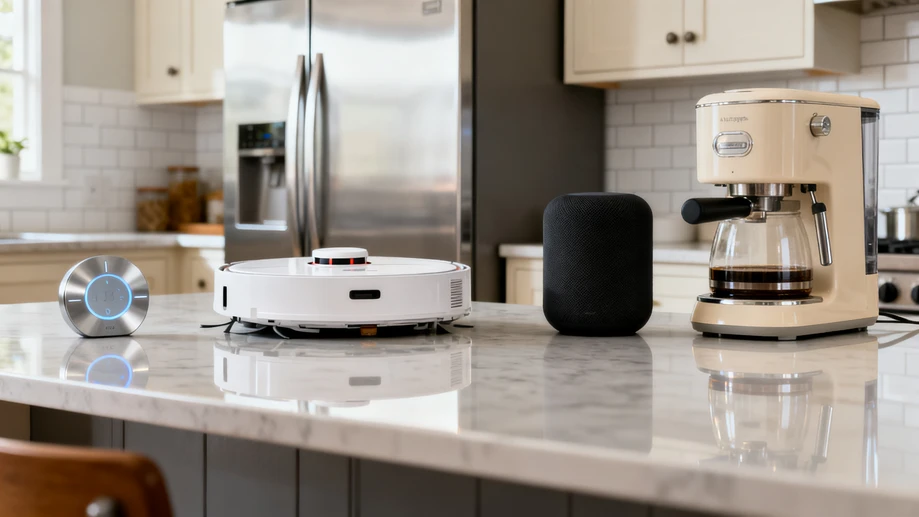
Surprisingly relatable quirks emerge when devices learn independently. Robotic vacuums develop "favorite routes" through homes, memorizing furniture layouts for efficiency. Some even protest when relocated—their gyroscopes detect unfamiliar terrain and trigger error alerts until recalibrated. Refrigerators with internal cameras generate shopping lists but occasionally misinterpret objects, like identifying broccoli as parsley. Coffee machines might prepare brews earlier on rainy mornings, predicting your desire for warmth. These "personality traits" stem from algorithms adapting to behaviors without explicit programming, creating delightful moments when technology seems almost thoughtfully anticipatory rather than merely reactive.
Practical benefits extend beyond convenience. Energy-saving algorithms in thermostats learn occupancy patterns, reducing utility bills by 15% in field studies. Washing machines detect unbalanced loads automatically, preventing damage. Water monitors in irrigation systems respond to weather forecasts, canceling scheduled watering during rainfall. Predictive maintenance sensors in home boilers alert homeowners about potential failures weeks in advance using vibration analysis. These seemingly small improvements accumulate into significant resource conservation and cost savings, demonstrating how ambient intelligence contributes to sustainable living without requiring conscious effort from users.
As artificial intelligence diffuses into everyday tools, unexpected advantages emerge in unexpected places. Garden sensors tracking soil composition help even novice growers achieve bumper crops. Smart lighting systems that mimic natural daylight patterns show measurable impacts on sleep quality. Children interact differently with tech-enhanced toys—building blocks that teach coding fundamentals through tactile feedback spark creativity. The most remarkable aspect? These innovations operate invisibly. There's no dashboard or complex interface; intelligence simply manifests through context-aware actions that make daily routines smoother, proving technology serves best when it fades into the background of our lives.