Earth's Untapped Oven: The Surprising Science of Geothermal Energy
How Earth's Core Could Power Your Home Without a Single Solar Panel
Imagine having a personal power plant buried right under your backyard – silent, invisible, and working 24/7 regardless of weather. That's essentially what geothermal energy offers our planet, tapping into Earth's original renewable resource: its own intense heat. Most people picture wind turbines or solar farms when discussing clean energy, while this subterranean powerhouse quietly bubbles away unnoticed.
The magic starts nearly 4,000 miles beneath your feet. Earth's core burns at over 9,000°F – hotter than the sun's surface – continuously warming the surrounding rock layers. This heat naturally moves upward, creating underground reservoirs of scalding water and steam, sometimes revealing itself through geysers or hot springs. What's revolutionary is how we've learned to harvest this energy. Engineers drill wells into these hot zones, pump down water to get superheated, then bring it back up to drive turbines and generate electricity. It's like turning Earth into a colossal, natural kettle driving our power grids.
What makes geothermal exceptional isn't just its clean nature, but its reliability. Unlike solar and wind farms that depend on specific conditions, geothermal plants hum along consistently at over 90% capacity year-round. They don't falter during cloudy weeks or windless nights. In Iceland, nearly 90% of homes are heated by this underground bounty, while California's Geysers complex powers a million households continuously. The land footprint is minimal too – a single geothermal plant occupies roughly 1/10th the space of equivalent solar farms.
Interestingly, the technology keeps improving in unexpected ways. New "closed loop" systems bypass the need for natural reservoirs altogether. Engineers simply drill two parallel boreholes, pump fluid through them, and let the surrounding earth naturally warm it. Even ordinary suburban neighborhoods are adopting these systems for home heating. Recent breakthroughs also tackle past limitations. Special coatings now protect pipes from mineral corrosion, while imaging technologies allow precise mapping of heat reservoirs. We're essentially giving Earth a geothermal stethoscope to locate its best energy pockets.
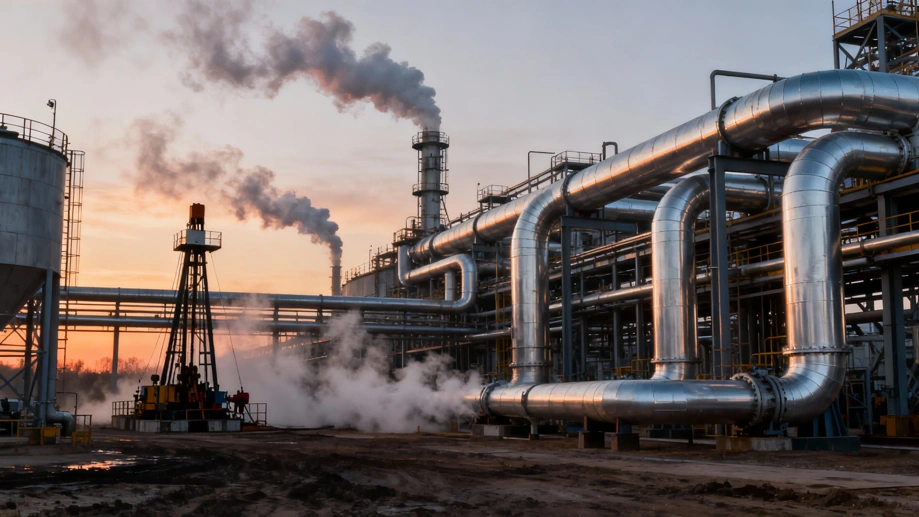
The future looks even brighter with Enhanced Geothermal Systems (EGS). Traditional geothermal relies on finding pre-existing hot water pockets. EGS creates them artificially by fracturing hot rock formations and circulating water through them. It's like installing a radiator into Earth's crust – potentially unlocking geothermal power almost anywhere. Pilot projects in Nevada have boosted output by 350% using these methods. Meanwhile, co-produced systems capture heat from oil wells that previously wasted it, turning fossil fuel sites into hybrid energy producers.
Still, challenges persist. Drilling deep remains expensive, and not every region has ideal geology. That's why recent innovations target efficiency gains. New heat-exchange fluids work better at lower temperatures, expanding viable locations. Researchers also developed flexible cement that withstands extreme underground pressures, preventing costly leaks. The most exciting frontier combines geothermal with carbon capture – injecting CO2 instead of water to both generate power and permanently store emissions underground.
As global energy demands escalate, geothermal offers something unique: baseline clean power needing minimal backup. From bubbling mud pots in Indonesia to tech-enhanced boreholes in Berlin suburbs, this ancient heat source is experiencing a quiet revolution. The next time your lights flicker during a storm, remember the steady furnace beneath us – patiently waiting to power our future without smokestacks or fuel shipments. Earth isn't just our home; it might just become our ultimate power provider.