The Ocean's Hidden Power: Harnessing Waves for Clean Energy
How scientists are capturing the sea's endless dance to power our future
Imagine the tremendous force that sculpts coastlines and topples ships - now picture your home powered by that same restless energy. Wave energy technology is doing exactly that, tapping into the ocean's natural rhythms to create electricity without smoke stacks or radioactive waste. Unlike wind and solar, waves offer constant motion day and night, created by distant winds transferring energy across thousands of miles of open water. This makes coastlines natural power plants, with the World Energy Council estimating global wave energy potential could supply up to 10% of the world's electricity needs. It's like discovering a hidden battery beneath the waves that never runs flat.
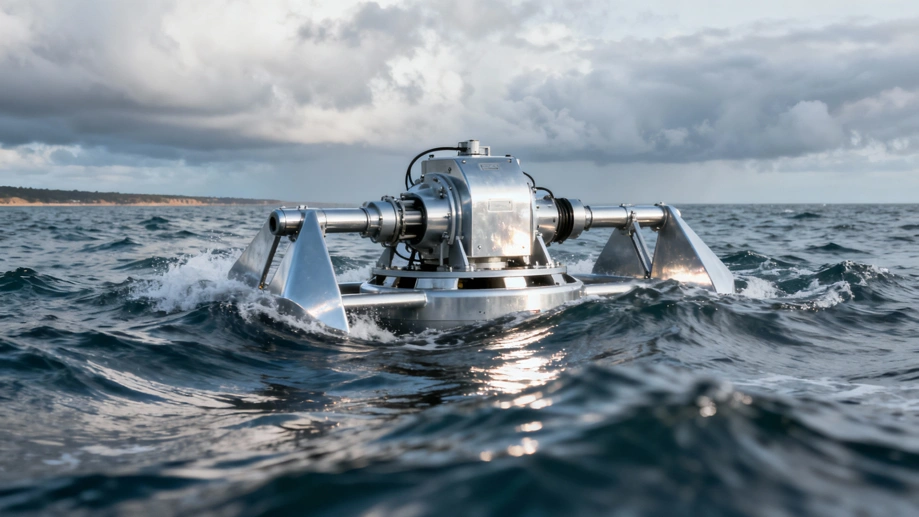
The clever bit happens when engineers mimic nature to capture this motion. Picture a buoy bobbing on the surface, tethered to generators on the seafloor. As waves lift the buoy, hydraulic pistons compress fluid through turbines - much like how your bicycle pump heats up when used rapidly. Other designs, like the oscillating water column, trap air in chambers where incoming waves force air through turbines like a giant underwater lung breathing in sync with the ocean. These aren't sci-fi concepts; operational prototypes from Scotland to Australia already feed electricity into local grids during testing phases.
What really makes wave converters special is their resilience during stormy weather. While solar panels hide from hail and wind turbines shut down in gales, wave devices hit their peak performance during storms. Energy absorption increases exponentially with wave height - meaning the angrier the sea gets, the more power floods into the system. Modern designs incorporate storm-survival modes where components submerge temporarily, a clever adaptation that protects equipment while eliminating the need for fossil-fuel backups during extreme weather.
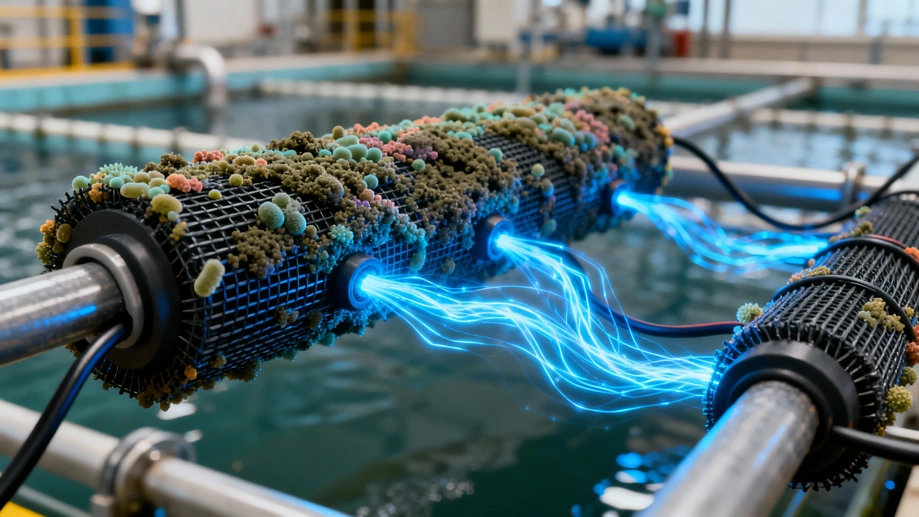
The environmental benefits extend beyond zero emissions. Unlike hydroelectric dams that disrupt entire ecosystems, wave farms leave migration paths undisturbed beneath the surface. Fish actually colonize the underwater structures, creating artificial reefs that boost marine biodiversity. Preliminary studies near the European Marine Energy Centre show mussels and anemones coating generator housings, while fish densities around installations increase by up to 240%. It transforms energy infrastructure from habitat destroyer to unintentional wildlife sanctuary.
Despite this promise, challenges remain. Saltwater's corrosive nature demands durable materials while maintenance requires specialized vessels. Energy transport to shore needs underwater cables resistant to fishing nets and anchors. But solutions are emerging: self-repairing polymer coatings inspired by squid skin and quick-disconnect systems allowing entire modules to surface for repairs. Costs continue tumbling too - today's prototypes produce electricity at about half the price of early models, following the same affordability curve that made wind power competitive.
Looking ahead, integration with offshore wind farms shows particular promise. Sharing infrastructure like transmission cables and maintenance platforms creates hybrid renewable power stations at sea. Some engineers envision wave converters acting as "bumpers" around wind turbine foundations, reducing erosion while generating extra power. Coastal communities already see practical applications: Alaska's remote Dutch Harbor uses wave-powered generators to supplement diesel plants, cutting both costs and pollution in a region where fuel delivery means helicopters or ice-breaking barges.
The ultimate elegance of wave energy lies in its simplicity - transforming nature's constant motion directly into electricity through mechanical systems that schoolchildren could understand. With new global partnerships accelerating development, our relationship with the ocean is evolving from resource extraction to energy collaboration. Every crashing wave you've ever watched recede now carries the exciting potential to keep your lights on and fridge humming when the sun sets and wind stills.