Unlock the Secrets of Tomorrow's Factories Today
How Cutting-Edge Tech is Reshaping Everything from Your Smartphone to Your Sneakers
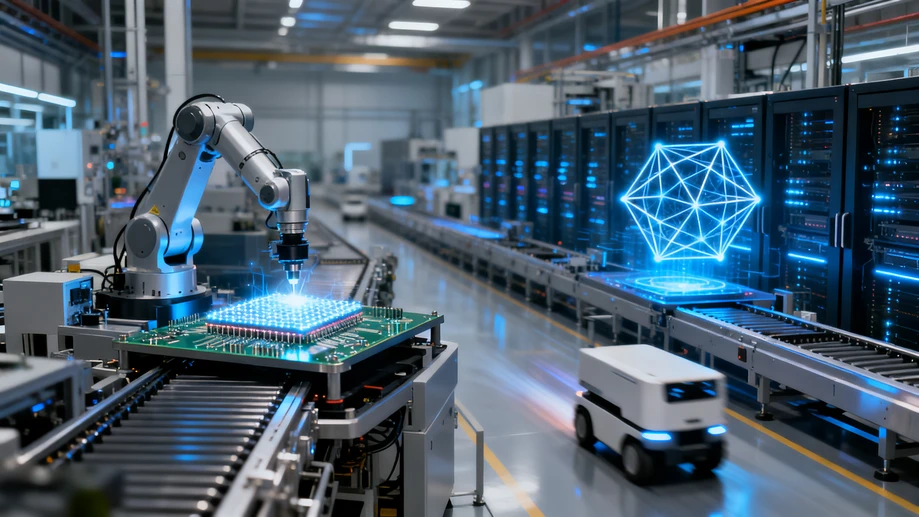
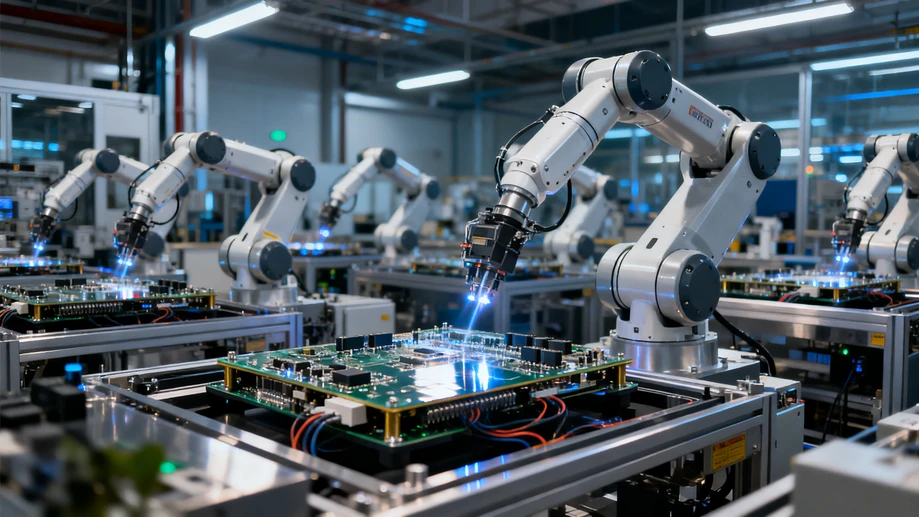
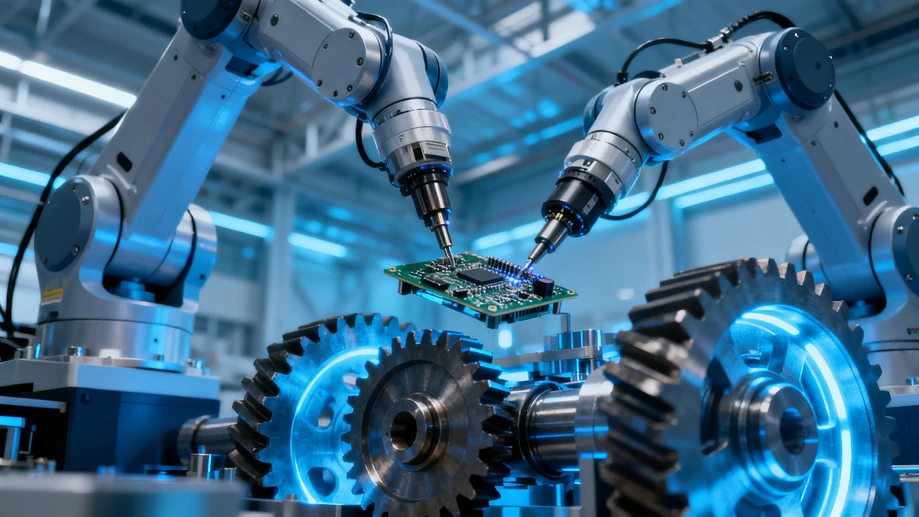
Imagine your running shoes adjusting their cushioning mid-stride or your refrigerator autonomously reordering milk. These aren't sci-fi fantasies but real-world applications of advanced manufacturing technologies silently revolutionizing daily life. Global factories now deploy digital twins—virtual replicas of physical systems—to simulate production lines before building them, reducing errors by up to 85%. When you unbox a new gadget, its components likely traveled through "lights-out factories" where autonomous robots work in darkness 24/7, achieving precision beyond human capability. This convergence of AI, IoT, and advanced robotics transforms ordinary objects into intelligent companions, all while accelerating production cycles from months to days.
Additive manufacturing has exploded beyond plastic trinkets, with aerospace giants 3D-printing titanium jet engine parts that are 40% lighter yet stronger than traditional components. In medicine, bioprinters layer living cells to create patient-specific cartilage implants, while automotive companies produce custom car interiors overnight. The real game-changer? Multi-material printing now allows single machines to fabricate entire electronic devices—circuits, casings, and buttons—in one continuous process. Imagine a future where broken appliances get "re-printed" at local micro-factories instead of replaced, turning every community into a potential manufacturing hub and slashing global shipping emissions.
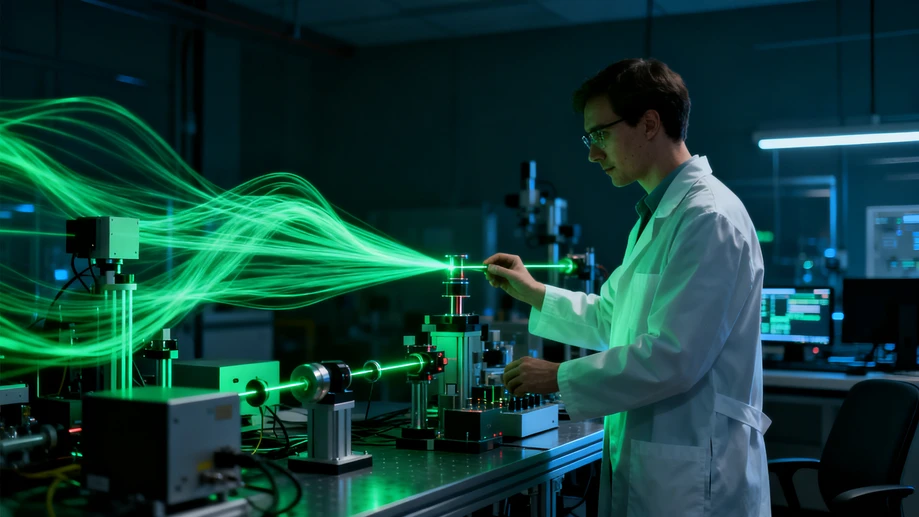
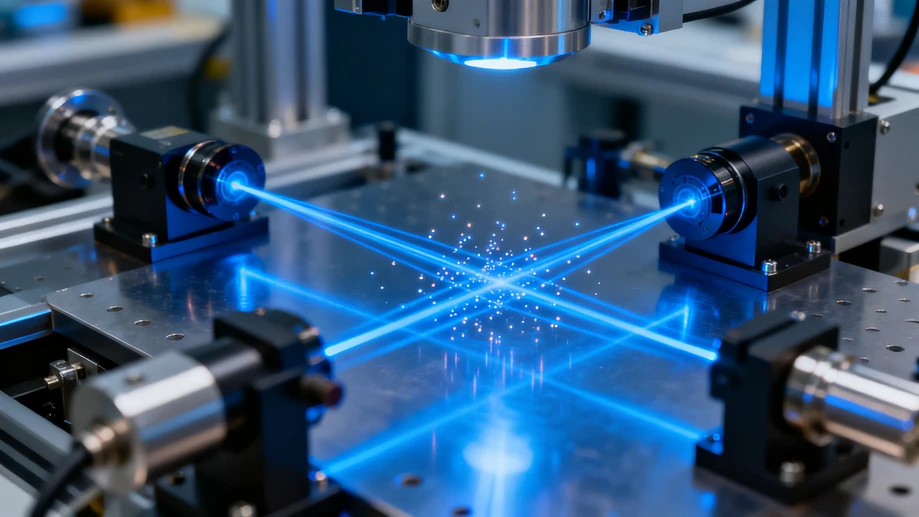
Nanotechnology operates at the scale of individual atoms, yet its impact is macroscopic. Self-healing coatings derived from crab shells automatically repair scratches on cars and phones, while nano-engineered fabrics wick sweat 300% faster than conventional sportswear. In food packaging, silica nanoparticles create invisible barriers that triple shelf life without preservatives. Perhaps most remarkably, quantum dots—nanocrystals smaller than a virus—enable TVs and smartphones to display purer colors with 50% less energy. These microscopic innovations require atomic-scale manufacturing precision, achieved through electron-beam lithography that literally writes patterns one molecule at a time.
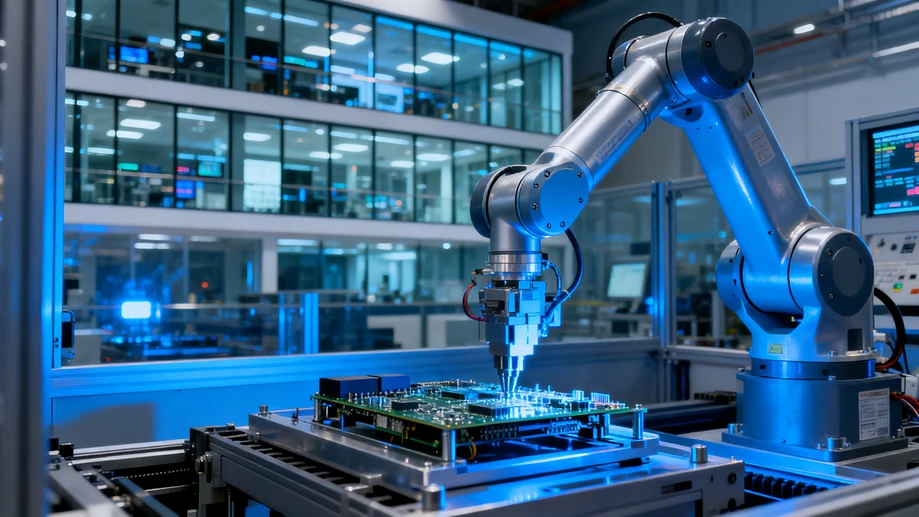
Artificial intelligence acts as the brain of modern factories, with machine learning algorithms predicting equipment failures days in advance. Siemens' neural networks analyze vibration patterns from motors to schedule maintenance before breakdowns occur, saving millions in downtime. Meanwhile, generative design AI creates bizarre, organic-looking structures impossible for humans to conceive—like Airbus' cabin partitions inspired by bone growth patterns, which use 45% less material while maintaining strength. This symbiosis extends to human workers through augmented reality (AR) glasses that overlay assembly instructions directly onto their field of view, reducing training time by 70% and virtually eliminating errors in complex tasks like aircraft wiring.
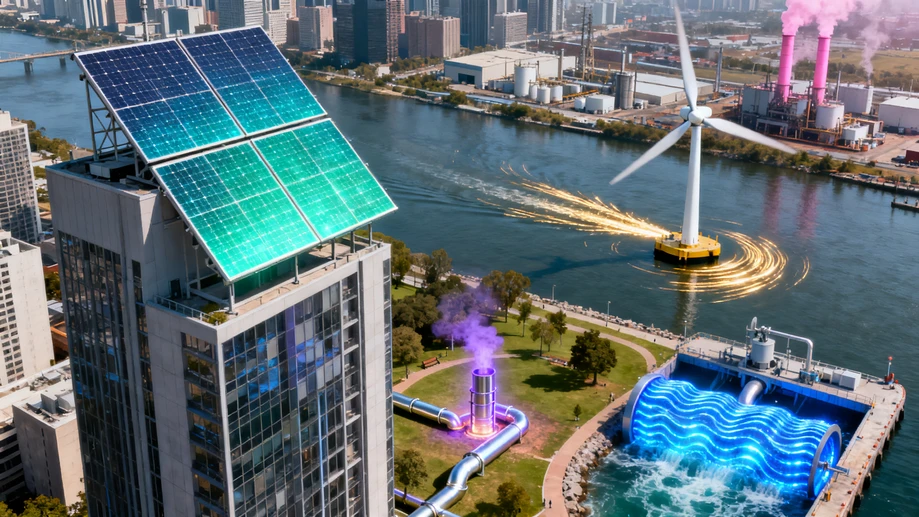
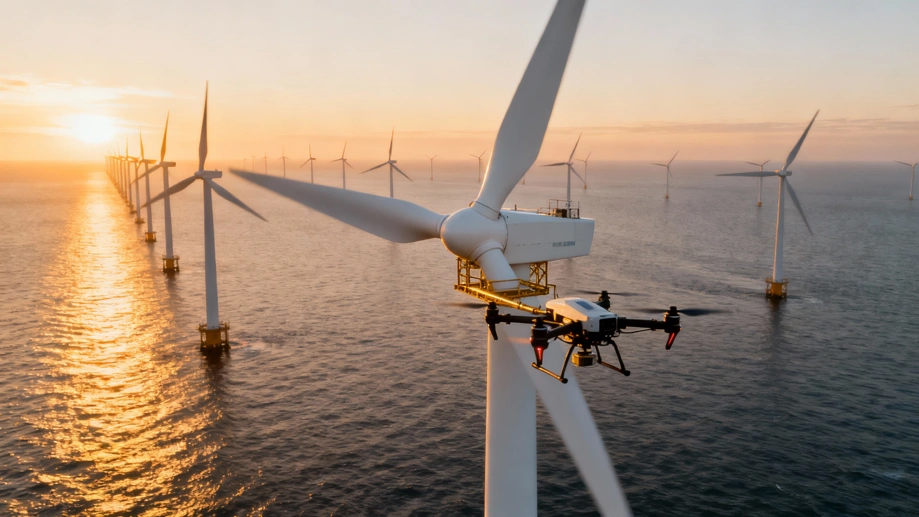
The sustainability revolution in manufacturing proves eco-friendly doesn't mean compromise. Carbon capture systems now transform factory emissions into raw materials—CO2 becomes carbon fiber for bicycles, while methane converts into biodegradable plastics. Waterless dyeing techniques using pressurized CO2 eliminate textile industry's toxic runoff, and self-powered sensors harvest energy from machine vibrations. Crucially, these technologies democratize access: solar panel production costs dropped 90% in a decade through automated precision manufacturing, making renewable energy affordable globally. As circular economy models gain traction, tomorrow's factories won't just make things—they'll perpetually remake them from reclaimed materials, turning waste into worth.