The Ocean's Heartbeat: Harnessing the Power of Tides
How Ancient Rhythms of the Sea Are Lighting Up Modern Cities
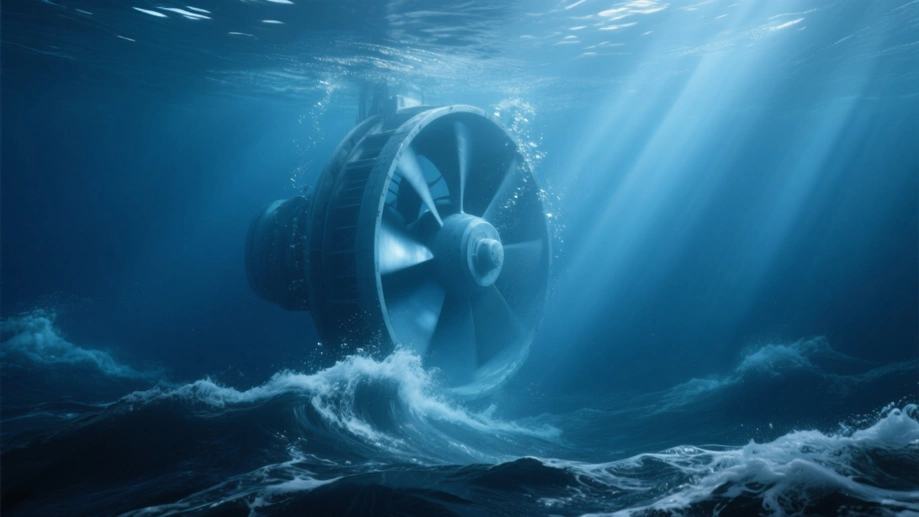
Every day like clockwork, billions of gallons of seawater surge toward shorelines worldwide in a dance choreographed by the moon. For centuries, these predictable tides powered grain mills along European coasts. Today, scientists tap into this rhythm to generate electricity without smokestacks or greenhouse gases. Tidal energy works like underwater wind turbines, but with blades engineered to spin whether water rushes in or pulls back out. These marvels stand anchored to the ocean floor, turning the relentless push and pull of currents into reliable clean power.
What makes tidal energy unique among renewables is its perfect predictability. Solar panels nap when clouds roll in, wind turbines idle during calm days, but tides respond to celestial mechanics with astronomical precision. Engineers can calculate power output decades in advance. This reliability makes tidal power a stabilizing force for energy grids needing constant baseline electricity. Coastal nations with dramatic tide ranges, where water levels swing over 15 feet between high and low tide, possess gold mines of untapped energy.
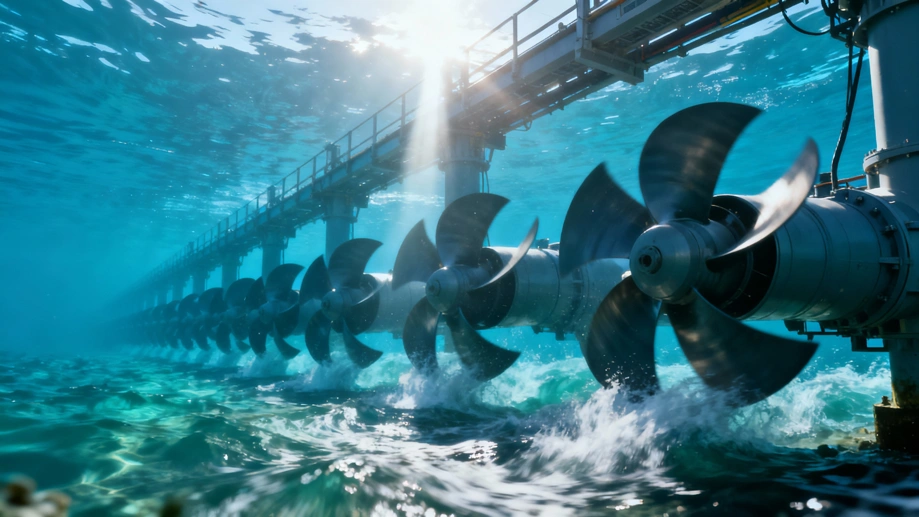
Modern tidal projects employ various designs to capture this force. Barrage systems resemble dams stretched across tidal bays, trapping water at high tide then releasing it through turbines. Though effective, their construction impacts marine habitats. Newer approaches embrace underwater turbine farms that mimic offshore wind installations. Fish-friendly helical turbines rotate slowly, allowing marine life to pass safely while generating megawatts as tidal currents flow through their blades.
The challenges remain formidable. Saltwater corrodes metal relentlessly, while barnacles cling to equipment surfaces like uninvited guests. Maintenance requires specialized divers and watertight robotics. Costs currently exceed solar and wind, though prices are dropping as engineers develop new corrosion-resistant materials. Environmental questions linger about underwater noise and potential effects on fish migration paths, driving strict monitoring requirements.
Despite hurdles, tidal power stations have illuminated coastlines for decades. Since the 1960s, one pioneering facility has supplied power to France using the English Channel’s powerful currents. Innovations continue emerging, like floating turbines that adjust position with tidal shifts and coastal designs using natural rock formations to funnel water toward generators.
What seems like science fiction inches closer to reality daily. Researchers now explore combining tidal platforms with offshore wind foundations. Coastal roads might embed piezoelectric crystals to harvest energy from wave crashes. As battery technology evolves to store the intermittent power produced at peak tides, the oceans could eventually light up every seaside community.
This ancient planetary heartbeat finally finds its purpose. Where fishing boats once timed voyages to tidal rhythms, turbines now convert that eternal movement into electricity. Each surge toward land represents another opportunity to reduce fossil fuel dependence. The sea, so often viewed as the last wilderness, becomes our ally in creating sustainable power without scarring the horizon.