Unlocking Intelligence: How AI Sees What Humans Miss
Peering beyond the limits of human perception with machine learning, revealing hidden patterns in plain sight.
Imagine staring at a complex image, maybe a detailed X-ray or a satellite photo of farmland. Your eyes scan, your brain processes, but inevitably, tiny details or subtle patterns might escape you. Now imagine a tireless, hyper-focused assistant that never blinks, meticulously examining every single pixel. That's the power of modern artificial intelligence, specifically computer vision. It doesn't "see" like we do, but it can detect anomalies and correlations that are utterly invisible to the naked human eye, transforming fields from healthcare to agriculture.
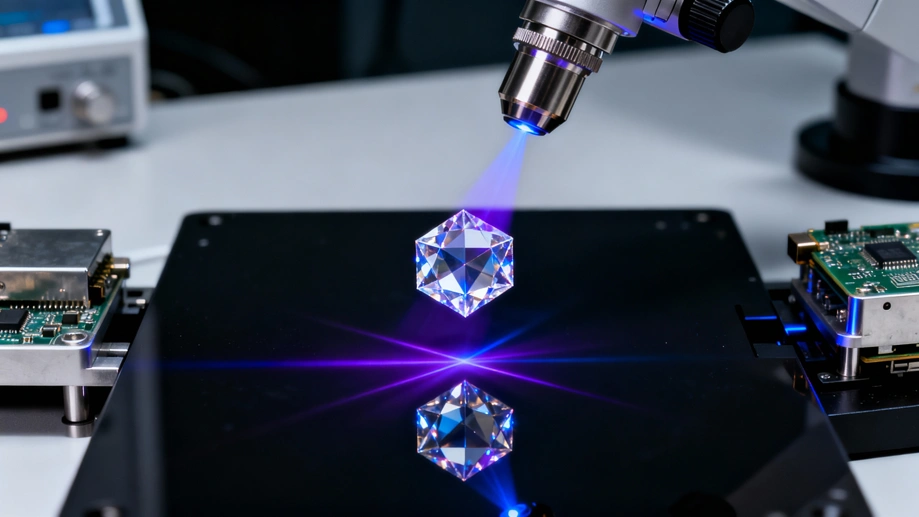
How does this digital perception work? At its core, it's about patterns and probabilities. AI models, particularly deep learning networks, are trained on vast datasets—millions of labeled images. Think of it as showing a child countless pictures of cats and dogs until they learn the distinct features of each. An AI does this on a massive, mathematical scale. It learns to recognize shapes, textures, densities, and subtle variations in color or contrast by identifying statistical patterns within the data. While humans are good at generalized recognition, AI excels at finding incredibly specific, often minuscule, deviations within enormous amounts of visual information.
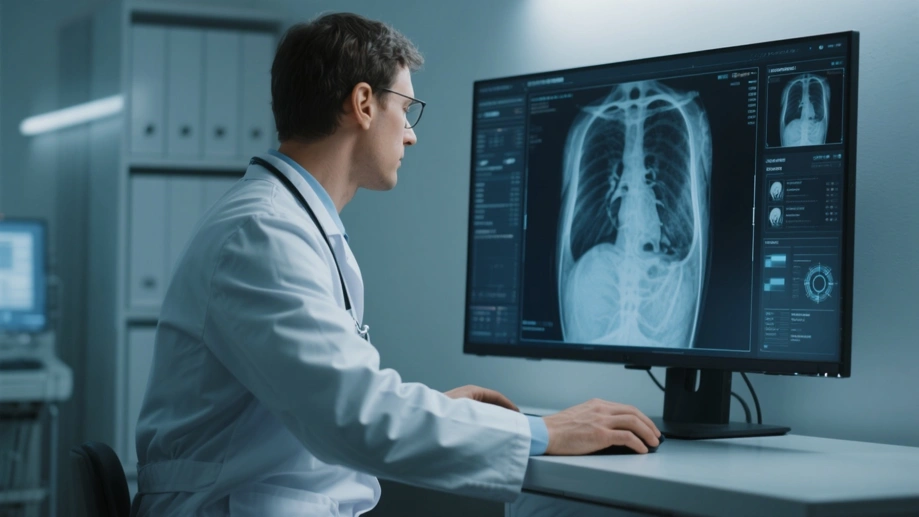
Take medicine, for instance. Radiologists are highly skilled, but fatigue or the sheer volume of scans can affect human judgment. AI systems are being developed to analyze medical scans like mammograms or CT scans. They can flag areas of concern—like minuscule distortions in tissue density hinting at early-stage tumors—that might be overlooked or appear ambiguous even to expert eyes. Studies have shown promising results where AI assists in detecting certain cancers earlier than standard practice, potentially saving lives through earlier intervention. It's not about replacing doctors, but giving them a powerful new lens.
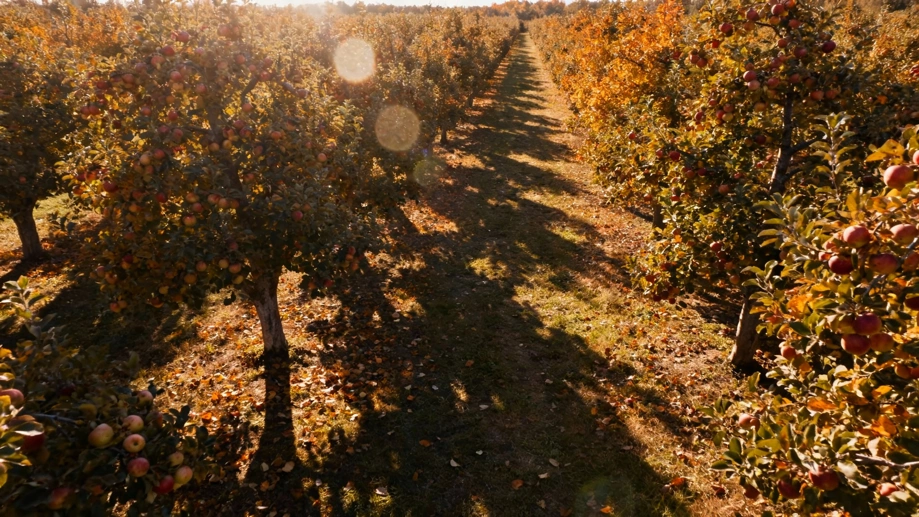
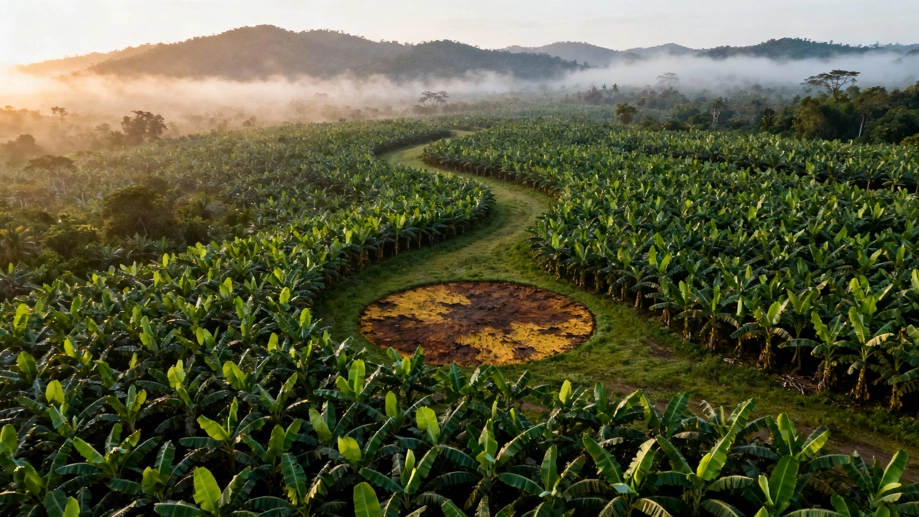
The benefits extend far beyond the hospital. In agriculture, drones equipped with specialized cameras fly over fields. AI analyzes these images to detect subtle changes in plant color that human eyes might perceive as uniform green. This can pinpoint early signs of disease, pest infestation, or water stress affecting individual plants or small patches long before the symptoms become visually obvious across the entire field. Farmers can then target treatments precisely, saving water, reducing pesticide use, and boosting yields. What looks like a healthy crop to us might be telling a story of hidden stress to the algorithm.
However, this 'sight' has crucial limitations often misunderstood. AI sees patterns based purely on the data it was trained on. It doesn't "understand" the context or meaning like a human would. A system trained to spot manufacturing defects on metal surfaces might misinterpret a harmless scratch as a critical flaw if that specific scratch wasn't covered in its training data. Similarly, a model detecting diseased crops might be thrown off by unusual soil patterns or lighting conditions not present in its learning dataset. It's incredibly perceptive within its narrow domain but lacks common sense or broader comprehension. Think of it as being incredibly "book smart" but not "street smart" about the visual world.
Looking ahead, the fusion of human expertise and machine perception holds immense promise. We're moving towards hybrid systems where AI acts as a sophisticated spotlight, highlighting areas demanding human attention in complex visual data landscapes. The challenge lies in building robust, diverse training datasets and developing interfaces that seamlessly integrate AI insights into human decision-making workflows. As these tools become more sophisticated and accessible, they will unlock deeper levels of understanding in countless domains, revealing a world rich with previously invisible details waiting to be deciphered.