Cloud Gaming Just Shattered Your Hardware Limits
Discover how streaming technology turns everyday devices into portals for blockbuster gaming experiences
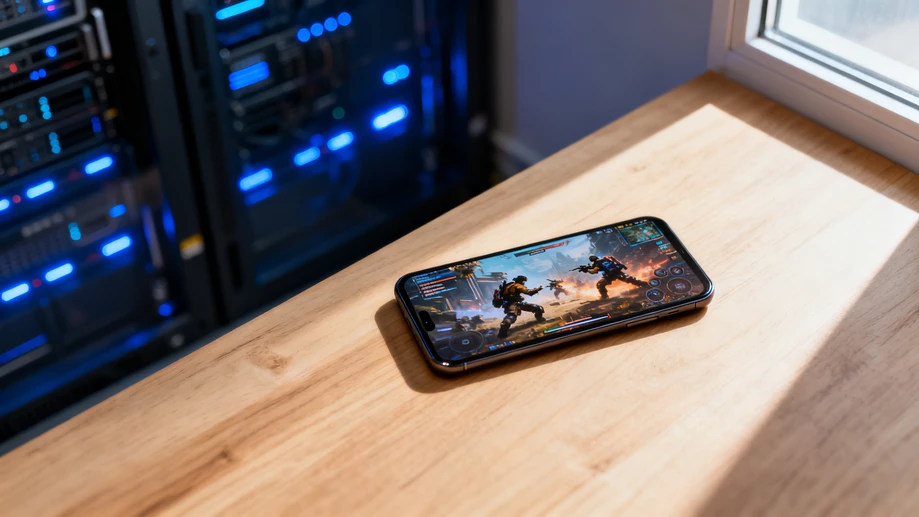
Imagine launching Cyberpunk 2077 on your decade-old laptop during lunch break without downloading a single gigabyte. This isn't science fiction but the current reality of cloud gaming, where servers do all the heavy processing while your device simply streams the video output. Major tech players like NVIDIA GeForce Now and Xbox Cloud Gaming have perfected this approach, using powerful server farms with enterprise-grade GPUs. These data centers operate like invisible gaming rigs, executing complex physics calculations and rendering photorealistic environments. The result? Smartphones, tablets, and underpowered computers suddenly transform into capable gaming machines through nothing more than a stable internet connection.
The technology hinges on sophisticated video compression algorithms that package gameplay into manageable data streams. When you press a controller button, that input travels to remote servers where the game instantly responds. The visual feedback then races back as a high-quality video feed, typically at 60 frames per second. Modern services employ adaptive bitrate streaming that automatically adjusts quality based on your network conditions. During peak hours, these systems intelligently allocate resources across thousands of simultaneous players. Engineers continuously refine latency reduction techniques, with some platforms achieving sub-20ms response times under optimal conditions.
This shift demolishes traditional gaming limitations overnight. Parents can play Hogwarts Legacy on their work tablet after kids sleep, while travelers access their entire Steam library through hotel Wi-Fi without hauling expensive gear. Crucially, it eliminates hardware upgrade cycles – a blessing during ongoing GPU shortages. The instant-access model also reduces digital waste from discarded consoles and graphics cards. Subscription services offer extensive libraries comparable to Netflix, enabling players to discover niche titles without commitment. Those damaged by the recent floods in Europe could continue gaming through cloud platforms despite losing physical hardware.
Yet significant challenges persist. Rural players struggle with inconsistent broadband, suffering input lag that ruins competitive shooters. Data caps from ISPs pose another hurdle, as a single hour of 4K cloud gaming can consume 15GB – problematic for mobile users. Visual purists notice compression artifacts during fast-motion scenes, while audio engineers work to minimize sync issues. Major developers initially resisted cloud ports due to piracy concerns, though improved encryption methods are easing these fears. The technology currently consumes about 1.5 times more energy per user than local gaming, prompting investments in renewable-powered data centers.
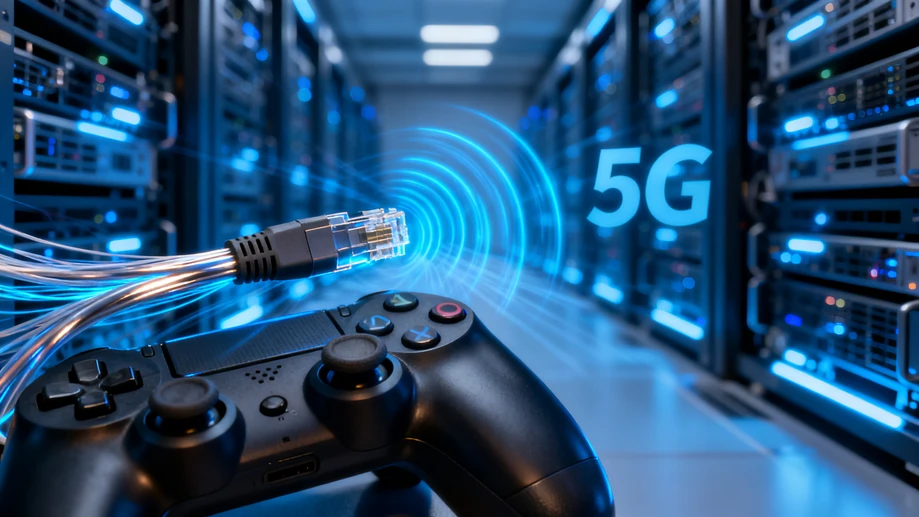
Emerging innovations are tackling these obstacles. Telcos deploying 5G networks enable responsive cloud gaming on the move, demonstrated by Verizon's successful Philadelphia trials where mobile players enjoyed latency under 25ms. Edge computing brings processing closer to users: imagine local coffee shops hosting micro-data centers that reduce roundtrip delays. AI-driven prediction engines now anticipate player actions, pre-rendering potential scenes to counter latency. Storage breakthroughs allow entire game assets to load from SSDs in milliseconds, eliminating traditional loading screens. Pharmaceutical companies even explore therapeutic applications, using low-latency cloud systems for rehabilitation games that aid stroke recovery.
This technology's beauty lies in its invisibility. You won't find humming supercomputers in living rooms, just people comfortably playing Elden Ring on budget tablets at parks or cafes. The evolution continues as internet infrastructure improves globally, promising near-zero latency experiences within five years. While hardcore enthusiasts may cling to their custom rigs, cloud gaming represents the most significant accessibility leap since consoles replaced arcade cabinets. The question shifts from "Can your PC run it?" to "Is your internet ready?" as streaming technology quietly reshapes interactive entertainment's future.