Sunshine Behind the Clouds: Solar Panels Don't Just Work on Sunny Days
The hidden truth about how solar panels turn cloudy skies into clean energy, one photon at a time
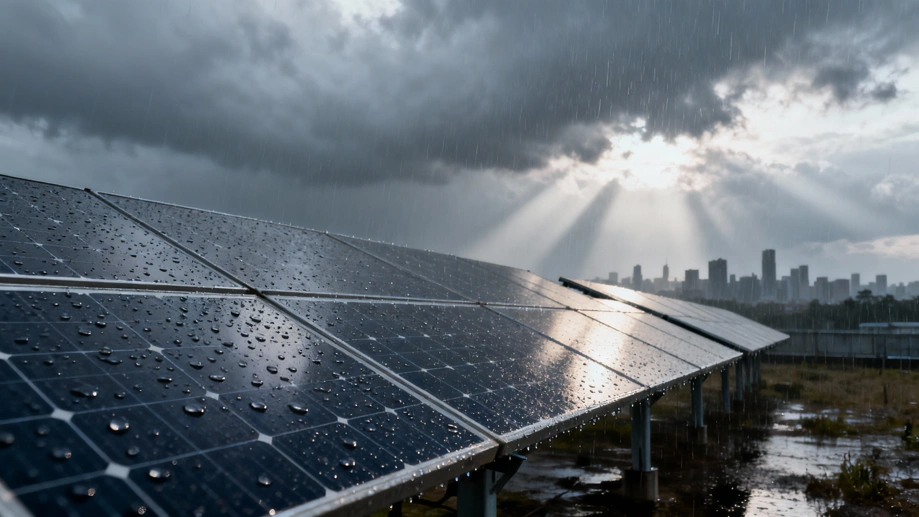
Picture this: You're staring out at a gloomy, overcast sky while rain taps against your window. A reasonable person might think solar panels on the roof are taking the day off. But surprise! Those sleek rectangles are silently harvesting electricity right now. Unlike common belief, solar energy isn't exclusively a fair-weather technology. Your panels operate 365 days a year, with clouds or even drizzle becoming unexpected energy sources. Here's why they're more adaptable than most realize.
To understand this magic trick, let's peek under solar panels' hood. At their core, most panels contain silicon cells that convert light particles called photons into electrons. Bright sunshine packs a powerful punch with direct photons, making electricity generation look easy. But dimmer conditions like cloud cover activate an alternative process: diffuse light harvesting. Instead of laser-straight rays, clouds scatter sunlight in all directions. Suddenly, photons bounce toward your panels from countless angles, like pinballs in a cosmic machine. Though each photon carries less energy, collectively they maintain a steady current.
Modern solar engineering cranks this cleverness higher. Manufacturers now produce panels with advanced light-capturing layers that absorb specific wavelengths, including the diffuse blues and violets filtering through clouds. Imagine a specialized net catching raindrops falling sideways. Similarly, textured glass surfaces scatter incoming light across more solar cells, maximizing contact with incoming photons. That's why today's panels generate about 10-25% of their peak capacity on heavily overcast days. Not spectacular, but crucial baseline power that keeps systems humming.
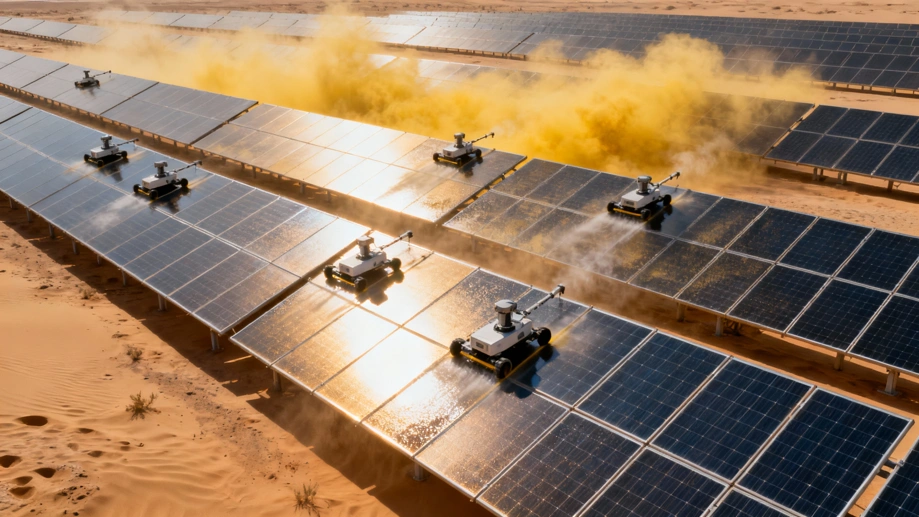
Rainy days deliver an extra bonus: nature's cleaning service. Dust accumulation slashes panel efficiency by up to 25%, but precipitation washes grime away. Research shows a moderate rain shower can boost post-storm electricity output by 15%. In drier regions, farmers actually deploy sprinklers above solar farms purely for cleaning benefits. Think of it as atmospheric maintenance where clouds aren't enemies, but partners in productivity.
The plot thickens in colder weather. Counterintuitively, solar panels adore chilly conditions. Like smartphones overheating during gaming sessions, photovoltaic cells lose efficiency when they bake in direct sun. But cold air keeps them optimally cool. So when brilliant winter sun pierces through fog, you'll get peak voltage readings. Some Alpine solar farms even yield more power in February than July, proving temperature matters as much as sunshine intensity.
Urban myths about solar's weather dependence crumble under data scrutiny. Case in point: Germany generates over 10% of its national electricity from solar despite famously gray skies. Seattle-based projects produce reliable outputs thanks to smartly designed micro-inverters that squeeze electricity from every photon encounter. This operational resilience makes solar viable globally, from monsoon-heavy Southeast Asia to England's drizzly countryside. Who knew cloud patterns could become renewable allies?
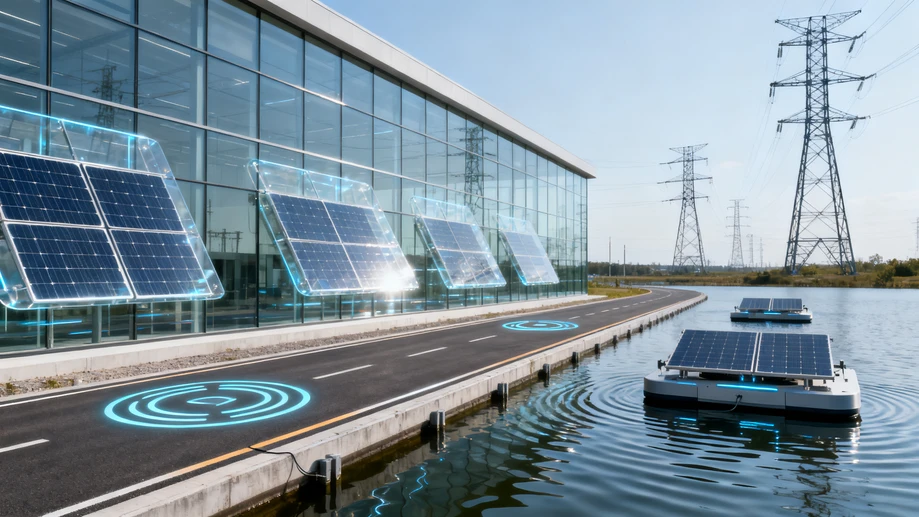
Technology continues rewiring possibilities. Emerging materials like perovskite layers function better than silicon under low-light conditions. Experimental solar paints could someday transform cloudy building facades into vertical power plants. Meanwhile, smart grid improvements route dispersed cloudy-day electricity where needed. We're shifting from seeing weather as an obstacle to exploiting its unique physics.
So next time skies turn leaden, remember: Your solar panels aren't napping. They're executing an intricate dance with diffused light, turning atmospheric particles into silent revolutions. The energy transition isn't waiting for cloudless days. Every weather pattern has become a power generation opportunity.