Can Your Coffee Cup Build Itself? The Wild World of Self-Assembling Tech
Forget factory lines; tomorrow's gadgets might just put themselves together like magic.
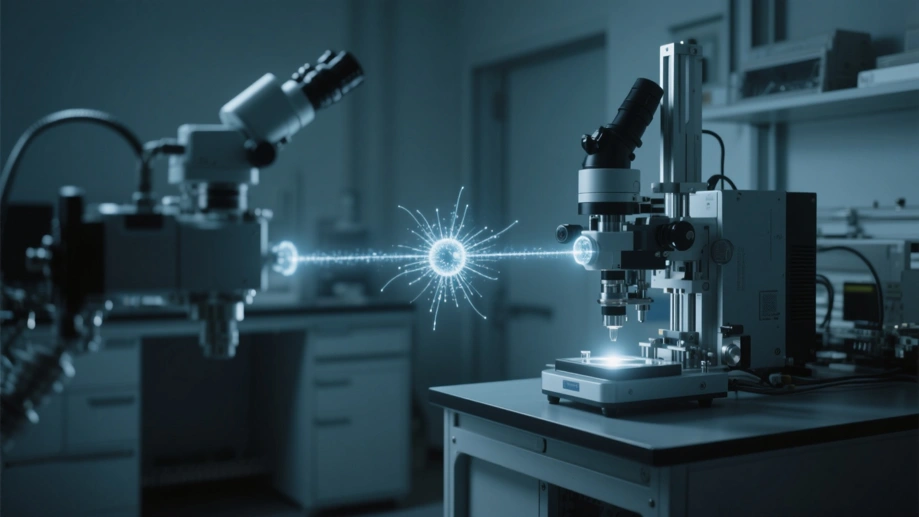
Picture this: you accidentally knock your favorite mug off the desk. Instead of shattering into a hundred pieces, the ceramic fragments shimmer, vibrate, and seamlessly pull themselves back together on the floor. Sounds like science fiction? Welcome to the emerging frontier of programmable matter and self-assembling materials. Scientists are engineering substances embedded with microscopic robots or designed with specific chemical properties that allow them to autonomously form complex structures or repair damage. Inspired by biological processes like DNA folding or protein assembly, this research aims to create objects that can adapt, heal, or reconfigure on command. Imagine furniture that assembles upon delivery, bridges that seal their own cracks, or electronics that morph into new shapes. The coffee cup self-healing might still be a lab dream, but the principles making it possible are rapidly leaving the drawing board.
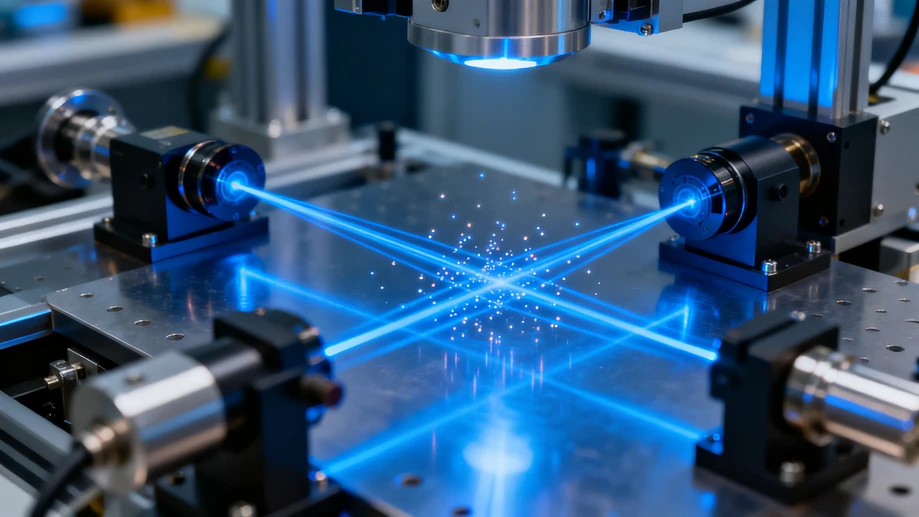
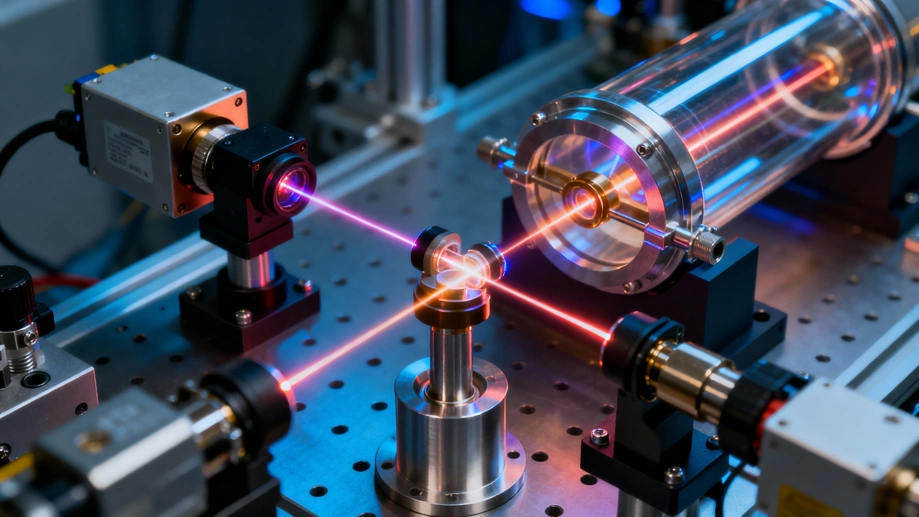
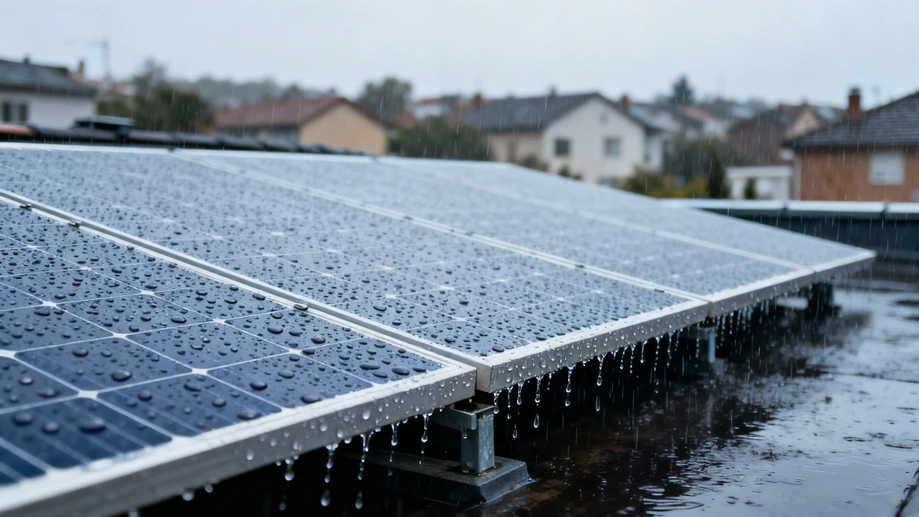
Zooming down to the nanoscale reveals another revolution: atomic-level manufacturing. This isn't just about making things smaller; it's about building them atom by atom with unprecedented precision. Think of it like ultra-high-definition 3D printing, but operating at the scale of individual molecules. Techniques like molecular beam epitaxy or advanced forms of atomic layer deposition allow engineers to construct materials with perfectly tailored properties. The result? Super-efficient solar panels that capture almost every photon, ultra-lightweight yet incredibly strong alloys for next-gen aircraft, and medical implants coated with bioactive layers that integrate flawlessly with human tissue. Your future rain jacket might be woven from nanofibers that actively repel water while feeling lighter than silk, all thanks to atoms placed exactly where they need to be.
The rise of additive manufacturing, or 3D printing, has exploded beyond plastic trinkets. We're now printing with metals, ceramics, living cells, and even conductive inks. The real game-changer is multi-material printing and the ability to create intricate, previously impossible geometries. Aerospace giants are printing fuel nozzles with complex internal cooling channels that boost engine efficiency. Surgeons practice on patient-specific, 3D-printed organ replicas before complex operations. Soon, bioprinting could produce functional tissues for transplants. Even your sneakers might feature custom-printed, lattice-structured midsoles offering perfect support, designed uniquely for your gait. This isn't just manufacturing; it's hyper-customization, reducing waste and opening doors to designs nature never imagined.
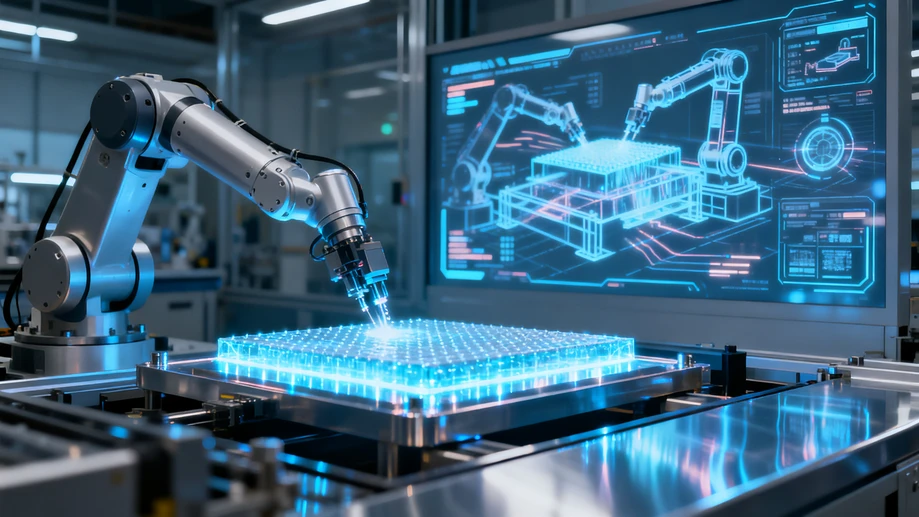
Step into a modern car factory, and you'll see the physical world mirrored perfectly in the digital one. This is the power of the "Digital Twin." Every component of the vehicle, every robot on the assembly line, has a real-time virtual counterpart fed by a constant stream of sensor data. Engineers can simulate changes, predict maintenance needs, and optimize processes in the virtual model before implementing anything physically. A glitch in a welding robot? The digital twin flags it instantly, preventing downtime. Want to test a new assembly sequence? Run countless simulations in hours, not weeks. This seamless blend of physical machinery and virtual intelligence is making manufacturing faster, more efficient, and incredibly agile. The factory floor is learning to think.
Artificial intelligence is the invisible brain optimizing the entire global manufacturing web. Vast AI systems analyze colossal datasets – from real-time sensor feeds on factory equipment to global shipping routes and weather patterns. They predict machine failures before they happen, dynamically adjust supply chains to avoid disruptions, optimize energy consumption across entire plants, and even design new materials by simulating molecular structures. Imagine an AI spotting a potential bottleneck in a component supplier halfway across the world and instantly rerouting production or sourcing alternatives, all while minimizing cost and environmental impact. It’s not just about robots replacing workers; it’s about intelligent systems making the entire global production ecosystem smarter, more resilient, and surprisingly responsive.
These aren't distant marvels locked away in research papers. The self-healing coatings inspired by programmable matter are already protecting smartphone screens. Nanotech-enabled fabrics are on the shelves. 3D-printed custom dental implants are commonplace. The digital twin and AI optimizing your car's production might soon manage your local power grid. The convergence of these technologies – AI, nanotech, advanced materials, additive manufacturing, and ubiquitous data – is fundamentally reshaping how we create the physical world around us. The future isn't just automated; it's intelligent, adaptive, and increasingly capable of building itself, one perfectly placed atom, one smart algorithm, at a time. Your coffee cup might not self-repair tomorrow, but the science making it conceivable is already brewing.