Gene Hacking Oranges: CRISPR Squeezes Out Citrus Disease
How genetic scissors are creating disease-proof citrus groves and reshaping your breakfast juice
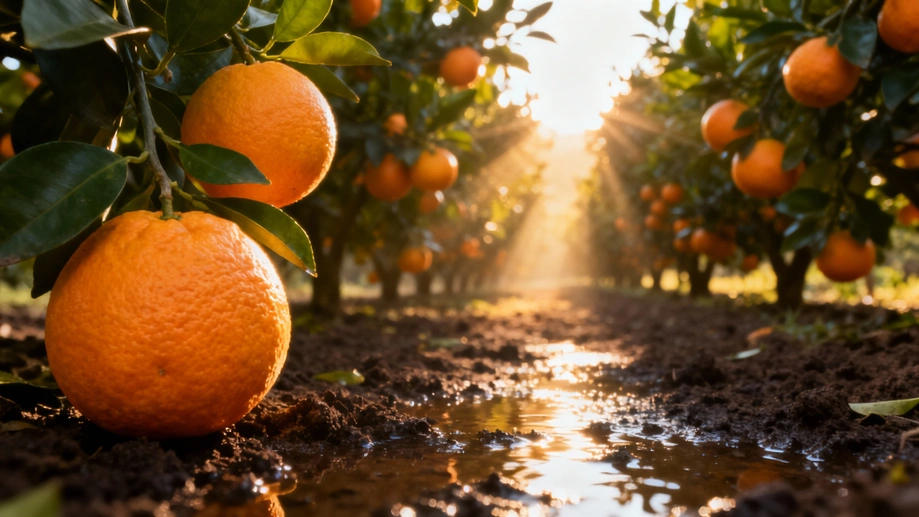
The citrus groves that paint Florida's landscape tell a silent horror story. Trees stand like skeletons, leaves yellowed and curled, fruits stunted before ripening. This is Huanglongbing - citrus greening disease - a bacterial nightmare that's wiped out 70% of Florida's citrus production since 2005. But in this agricultural apocalypse, scientists aren't playing defense anymore. They're rewriting the plants' genetic code.
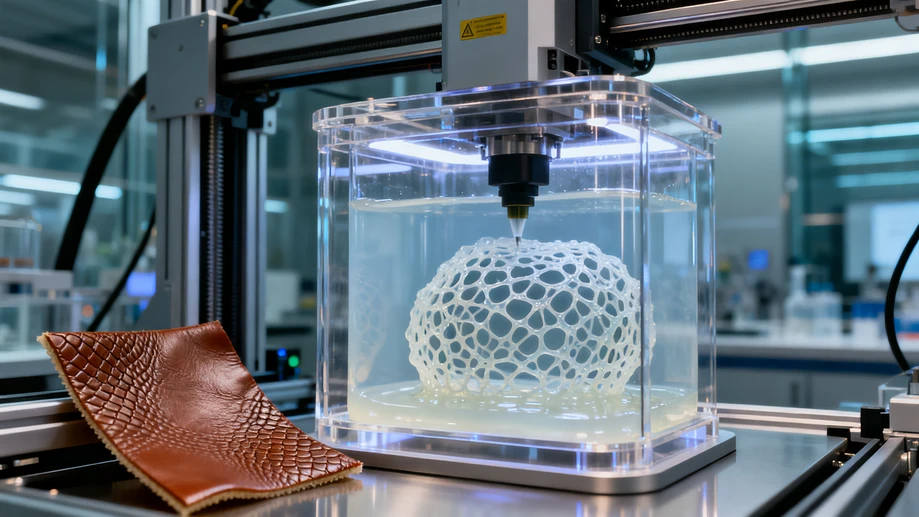
Imagine having a pair of molecular scissors that can precisely snip out weaknesses in a plant's DNA. That's essentially what CRISPR gene-editing does. Unlike traditional breeding which shuffles thousands of unknown genes over decades, CRISPR acts like a surgical tool targeting specific genetic sequences. For orange trees facing the greening disease menace, researchers identified genes making them vulnerable to the bacteria spread by tiny psyllid insects.
Farmers initially watched this lab wizardry with skepticism. Spraying pesticides and quarantining infected trees were the weapons they understood. When scientists first suggested modifying a tree's fundamental blueprint, it sounded like science fiction. But the ground shifted when early gene-edited saplings remained healthy while neighboring orchards turned ghostly. These weren't mutant franken-trees either - no foreign DNA got added, just tiny tweaks to existing genes that boosted natural defenses.
The breakthrough came from studying wild citrus relatives in Asia. Some varieties naturally resisted the bacteria through thicker leaf cell walls and chemical barriers. Using CRISPR, researchers copied these defenses into commercial orange varieties like Valencia and Hamlin. Edited trees now produce chemicals that jam the bacteria's replication machinery and develop fortress-like cell structures blocking bacterial invasion.
What makes this revolution different from older GMOs? Precision. Earlier genetic engineering shot foreign genes into plants unpredictably. CRISPR merely edits a plant's native DNA - speeding up changes that could theoretically happen naturally over millennia. The USDA confirmed these citrus edits weren't subject to traditional GMO regulation since they mimic natural processes. Within two growing seasons, experimental groves yielded normal-looking oranges with juice passing all taste tests.
Similar battles are being fought worldwide. Banana growers face Panama Disease TR4, a fungus threatening Cavendish bananas that dominate global trade. Papaya ringspot virus nearly destroyed Hawaii's industry until GMO solutions arrived. CRISPR offers a more precise approach for these crops. By targeting specific disease vulnerability genes across different fruit species, scientists are building universal defense blueprints.
There remain hurdles before CRISPR fruit hits supermarket shelves. Regulatory pathways vary wildly between countries. Some farmers worry about consumer acceptance despite evidence showing identical nutrition and taste. But as climate change intensifies disease pressures, the choice may become stark: embrace gene editing or face bare fruit aisles. Citrus groves using edited stock now show 90% less disease without extra pesticides.
Beyond disease resistance, next-generation edits focus on climate resilience. Scientists are tweaking strawberries for better drought tolerance by activating water-saving genes. Cherry breeders target genes controlling bloom times to avoid early spring frosts. The toolkit keeps expanding with base editors making single-letter DNA changes and prime editors rewriting longer sequences.
This agricultural revolution isn't happening in isolated labs but in real orchards. While you sip morning orange juice, an invisible genetic upgrade is rolling through citrus country. Future generations might know citrus greening disease only as a historical footnote, thanks to molecular scissors snipping away agricultural nightmares.