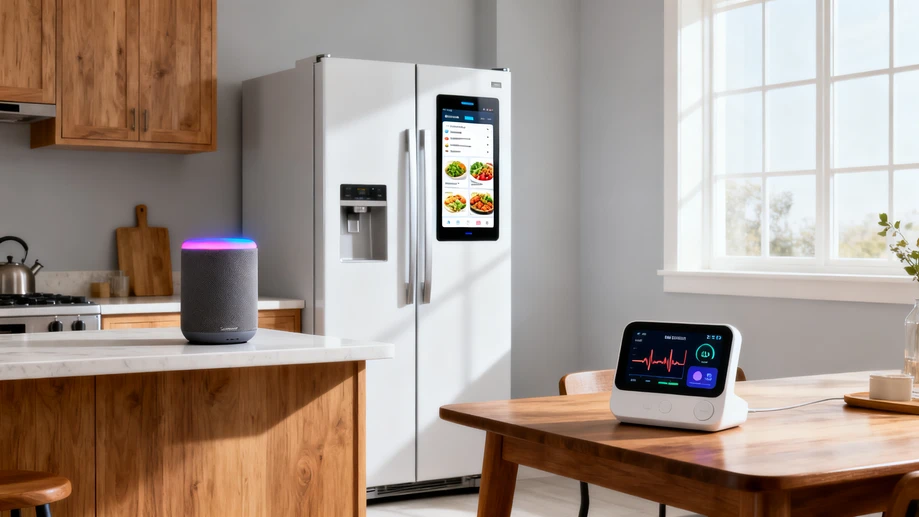
Unbelievable! Your Fridge Might Be Smarter Than You Think
Dive into the quirky ways everyday AI gadgets are transforming homes without you even noticing.
Imagine waking up to a world where your coffee maker brews your favorite blend just as you stumble out of bed, all thanks to a tiny chip that learned your sleep patterns. This isn't science fiction—it's the reality of smart technology weaving itself into our daily lives. From refrigerators that track expiration dates to voice assistants that remind you of appointments, these innovations are no longer futuristic dreams but practical tools in millions of homes. They operate silently in the background, using artificial intelligence to predict needs and solve mundane problems, making routines smoother and more efficient. The best part? You don't need a tech degree to use them; they're designed for simplicity, blending seamlessly into kitchens, living rooms, and even bedrooms. As we embrace this era, it's fascinating to see how these devices evolve from novelties to necessities, all while keeping our data secure and interactions intuitive.
Take the humble smart speaker, for instance. Perched on your countertop, it listens for commands like "play relaxing music" or "set a timer for dinner," but its intelligence goes far beyond voice recognition. Using machine learning, it adapts to your habits over time—suggesting recipes based on your pantry stock or alerting you to traffic delays before you leave for work. This isn't magic; it's algorithms crunching data from your routines to offer personalized help. Studies show that such devices save users an average of 30 minutes a day by automating tasks, freeing up time for hobbies or family. And they're getting smarter: newer models can detect mood shifts from your tone, offering calming playlists if you sound stressed. It's like having a helpful friend who never sleeps, always ready to assist without judgment.
Health monitoring gadgets are another marvel, turning ordinary wearables into life-saving companions. Fitness trackers on your wrist don't just count steps; they analyze sleep quality, heart rate variability, and even blood oxygen levels to flag potential issues early. For example, if your smartwatch notices irregular heart rhythms, it can prompt you to consult a doctor, potentially catching conditions like atrial fibrillation before they worsen. These tools use AI to compare your data with millions of others, spotting patterns that humans might miss. In real-life scenarios, parents use them to monitor children's fevers remotely, while seniors rely on fall-detection features that automatically alert emergency services. The technology is affordable and accessible, with many devices costing less than a week's groceries, proving that high-tech health isn't reserved for the elite—it's becoming a household staple.
Smart home security systems add a layer of peace without the drama of sci-fi movies. Cameras and sensors, often disguised as everyday objects, use facial recognition to distinguish between family members and strangers, sending alerts only when necessary. For instance, a smart doorbell can recognize your neighbor dropping off a package and ignore them, but ping your phone if an unfamiliar face lingers. This AI-driven approach reduces false alarms and makes homes safer without constant surveillance. Energy efficiency gets a boost too: thermostats learn your schedule to heat or cool rooms only when occupied, cutting utility bills by up to 20%. It's all about subtle enhancements—like lights that dim automatically at bedtime—creating a cozy, secure environment. As these systems evolve, they prioritize privacy, encrypting data to prevent hacks, so you can enjoy convenience without compromise.
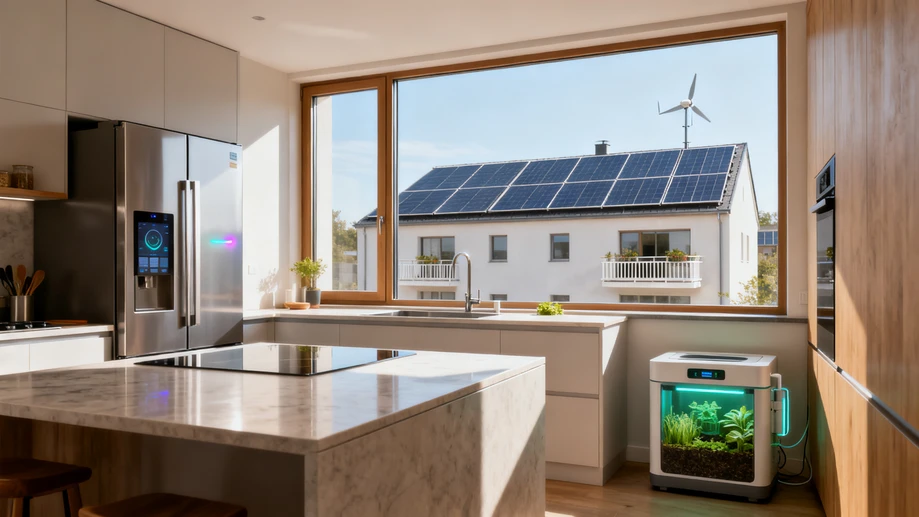
Looking ahead, the future of smart tech promises even more integration, with innovations like AI-powered gardening tools that adjust watering based on weather forecasts or fridges that suggest meals to reduce food waste. These advancements stem from real-world needs, not lab fantasies, and are tested rigorously for reliability. Experts predict that by 2030, over 75% of households will have at least five connected devices, making tech an invisible yet indispensable part of daily life. The key is balance: embracing these tools for their benefits while staying mindful of screen time. As we navigate this journey, it's clear that smart technology isn't about replacing humans—it's about empowering us to live better, one intelligent gadget at a time.