5 Revolutionary Manufacturing Technologies You Didn't Know Were in Your Home
Discover how cutting-edge innovations quietly power your daily gadgets and goods.
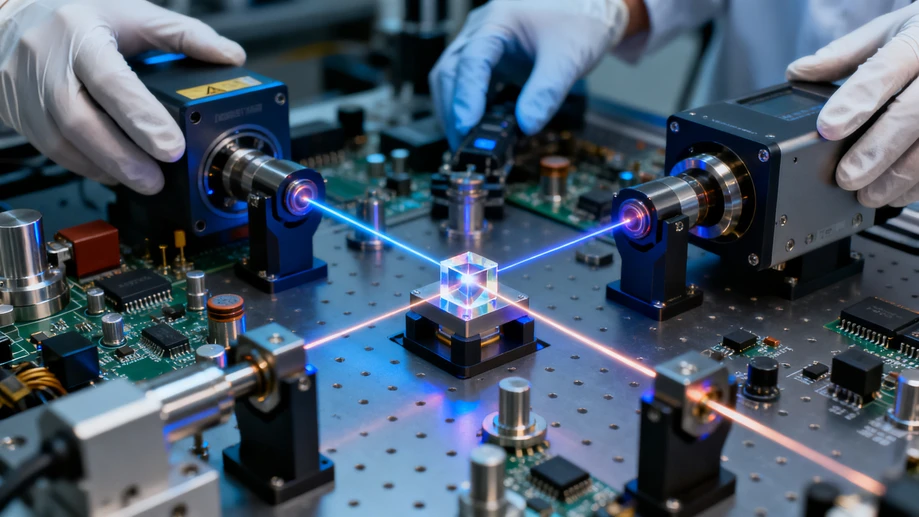
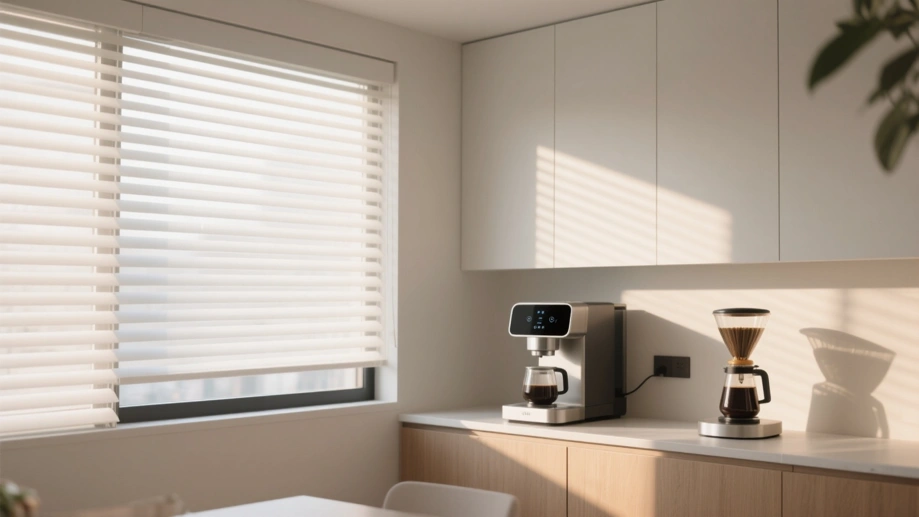
Imagine waking up to a world where the coffee maker brewing your morning cup is crafted using microscopic precision, or your smartphone's sleek screen relies on atomic-level engineering. This isn't science fiction—it's the reality of global high-end manufacturing technologies that have seamlessly integrated into our homes. From the clothes we wear to the devices we depend on, advanced production methods are transforming everyday life in ways most people overlook. These innovations stem from decades of research and global collaboration, making products more efficient, durable, and accessible. As we peel back the layers, you'll realize that the future isn't in distant factories; it's already sitting on your kitchen counter, waiting to amaze.
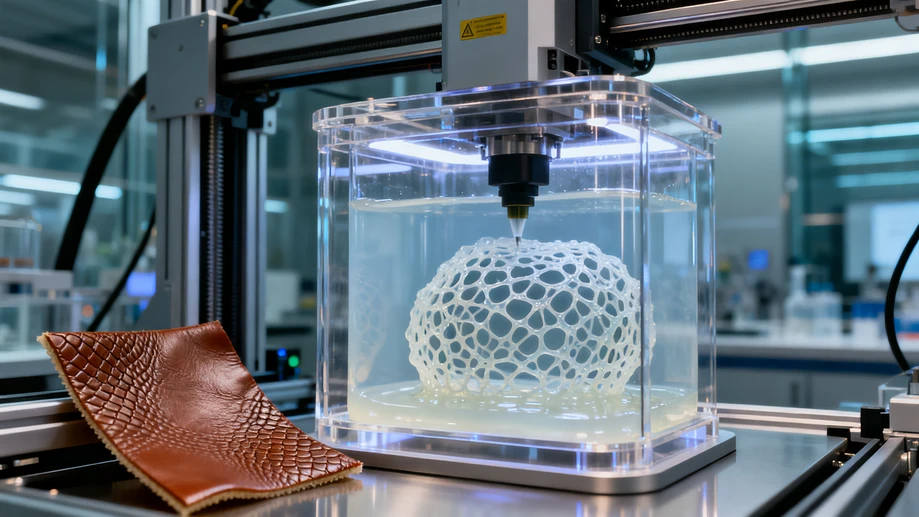
At the heart of this revolution is additive manufacturing, commonly known as 3D printing. Gone are the days when this tech was limited to prototyping; now, it crafts custom-fit insoles for your running shoes or intricate components for your smart thermostat. Companies like Adidas use 3D printing to create midsoles that adapt to your foot's unique shape, reducing fatigue during daily jogs. Similarly, dental labs produce personalized aligners overnight, ensuring a perfect fit without multiple visits. This process reduces waste by up to 90% compared to traditional methods, and it's all powered by digital designs sent over the internet. As printers become cheaper and faster, expect to see more household items—from kitchen utensils to toy parts—made on demand, turning garages into mini-factories.
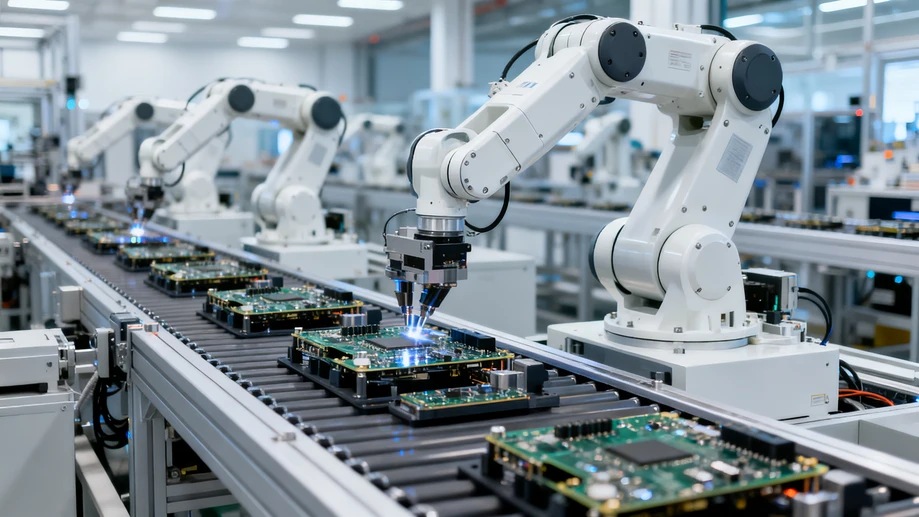
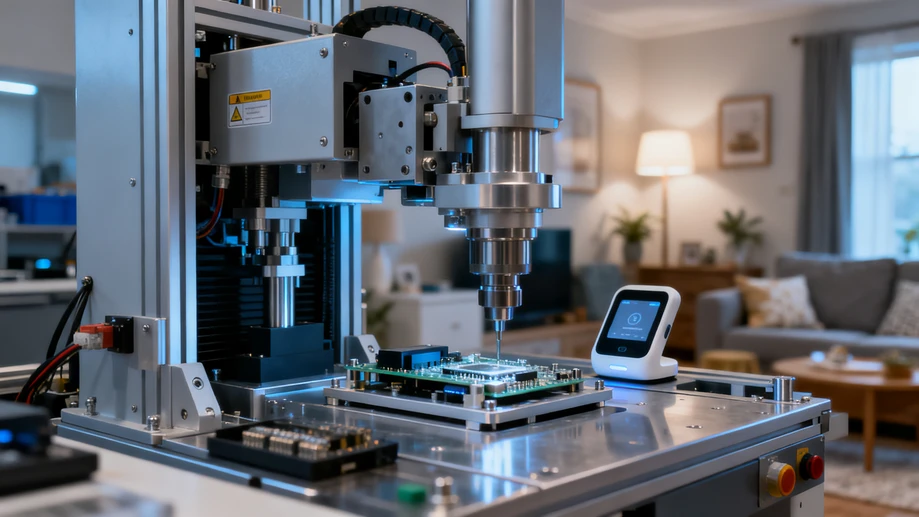
Artificial intelligence elevates manufacturing by infusing intelligence into every step, ensuring products are not just made but made smarter. Take your voice-activated assistant: AI algorithms optimize the assembly line, detecting microscopic defects in speakers or circuits that human eyes might miss. In factories, machine learning predicts equipment failures before they happen, minimizing downtime for items like washing machines. For instance, Samsung employs AI to fine-tune screen production for TVs, resulting in vibrant colors and longer lifespans. At home, this tech means your gadgets perform better and last longer, with fewer glitches. As AI models learn from vast datasets, they enable mass customization—think of furniture designed to fit your living room dimensions perfectly. It's a silent partner in crafting reliability.
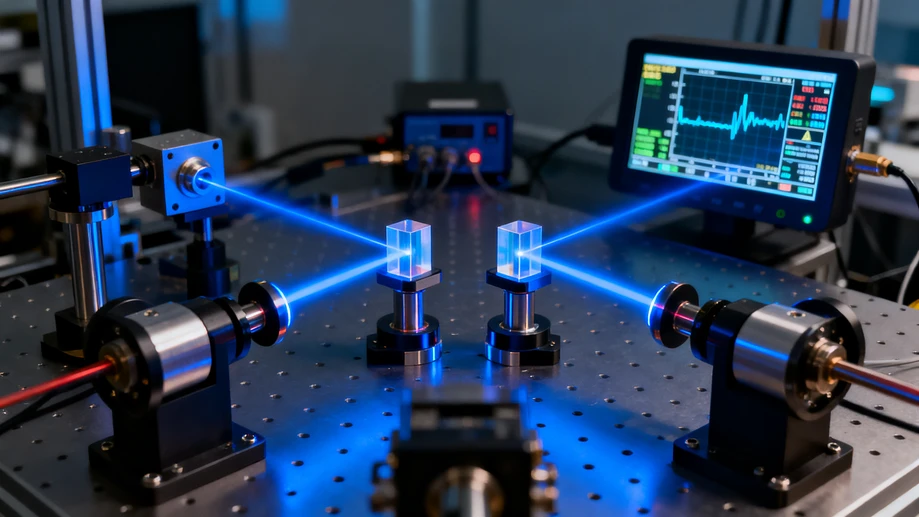
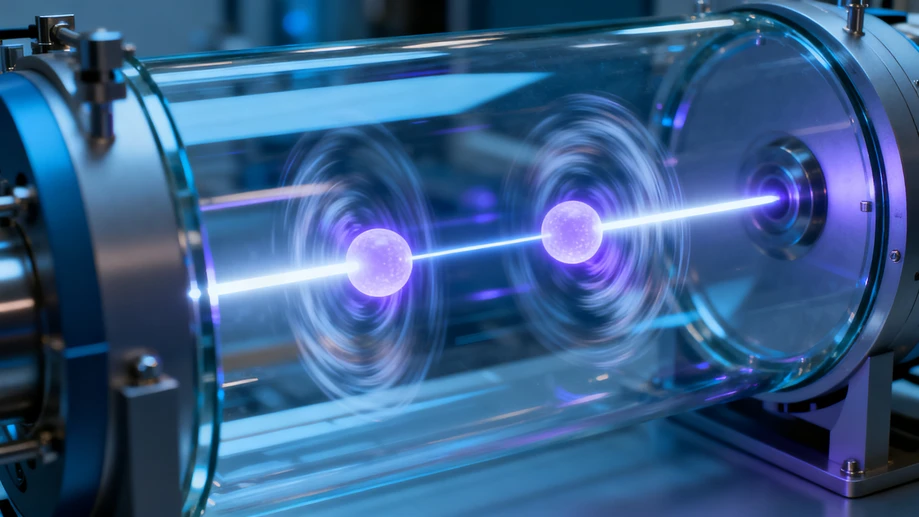
Nanotechnology works its magic at an invisible scale, weaving materials with extraordinary properties into common products. Your smartphone's scratch-resistant screen owes its durability to nanoscale coatings that repel water and oil. Athletic wear incorporates nanoparticles that wick sweat away, keeping you comfortable during workouts. Companies like Tesla embed nanomaterials in battery components, boosting energy storage for longer-lasting electric car drives. Even household paints now include nanoparticles to resist stains and UV damage. This tech doesn't stop there; in medicine, nanofibers are used in air purifiers to trap allergens, improving indoor air quality. By manipulating atoms, manufacturers create lighter, stronger, and more sustainable items, proving that big innovations come in tiny packages.
Sustainability drives the next wave of high-end manufacturing, turning waste into wonder. Circular economy principles are reshaping how everyday goods are produced, such as turning recycled plastic bottles into polyester for your favorite jacket. Brands like Patagonia champion this, using advanced recycling tech to melt down old garments into new fibers without quality loss. In electronics, firms like Apple recover rare metals from discarded iPhones for reuse in new models, slashing resource consumption. Waterless dyeing techniques for fabrics conserve billions of liters annually, making clothes eco-friendly. These methods not only reduce landfills but also lower carbon footprints, aligning with global green goals. As consumers demand greener options, manufacturers innovate to make sustainability the norm, not the exception.
Looking ahead, these technologies will converge to create a smarter, more connected world. Imagine a refrigerator that orders groceries when supplies run low, with parts made via AI-optimized 3D printing. Or clothing that adjusts to weather changes using embedded sensors. The key is accessibility—affordable tech will democratize innovation, allowing small businesses to compete. Challenges like energy use in production are being tackled with solar-powered factories. Ultimately, high-end manufacturing isn't about flashy labs; it's about enhancing human experiences, one practical improvement at a time. Embrace this evolution, and you'll see that the gadgets in your hand today are just the beginning of a journey toward a seamlessly efficient future.