The Seedless Revolution: CRISPR's Sweet Cut
Snipping nature's blueprint to transform ordinary fruits into extraordinary treats
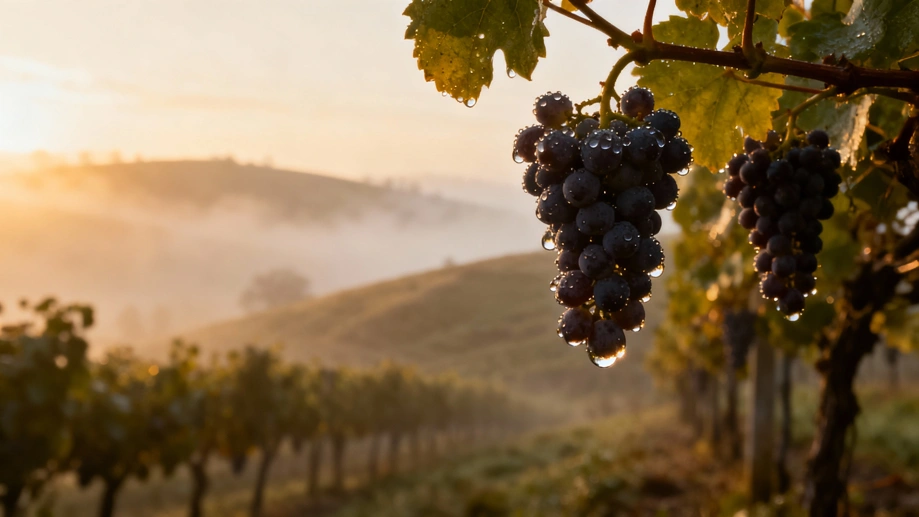
Imagine biting into a plump, juicy grape without the nuisance of crunchy seeds. That simple pleasure, once a rare luxury in certain varieties, is becoming mainstream thanks to molecular scissors reshaping fruit DNA. Scientists are harnessing gene-editing tools to rewrite horticultural rules, creating fruits that cater to modern tastes while resisting environmental threats.
Traditional breeding methods required decades of patient cross-pollination to develop desirable traits. Picture Victorian gardeners painstakingly transferring pollen between flowers, hoping for accidental improvements. Now, CRISPR technology acts like a precision scalpel, targeting specific genes responsible for seed formation. By deactivating seed-development genes, researchers create seedless varieties without compromising sweetness, cutting development time from generations to mere seasons.
Beyond convenience, this biotechnology enhances nutrition at the cellular level. Recent projects have boosted antioxidant compounds in berries through targeted gene activation, turning everyday blueberries into nutritional powerhouses. Watermelon vines now thrive with strengthened disease-resistance genes, significantly reducing pesticide needs. These modifications mimic natural genetic variations, occurring faster than traditional methods but slower than science-fiction tropes.
Climate resilience represents another frontier where gene editing shines. Orchards face unprecedented challenges from shifting weather patterns. By identifying genes that help plants retain water or withstand temperature extremes, scientists develop fruit trees capable of surviving drought conditions. Modified mango trees in experimental groves maintain fruit quality with 30% less water, signaling hope for arid regions.
Public reception evolves as misconceptions fade. Unlike early GMOs that inserted foreign DNA, modern gene editing simply tweaks existing genetic material—akin to nature's own mutations. Farmers report enthusiastic market responses to seedless blackberries that retain wild flavor profiles. Home gardeners enthusiastically share cuttings of blight-resistant apple saplings thriving without chemical sprays.
Future possibilities extend beyond the orchard. Researchers explore "flavor libraries" of genetic combinations that could restore heirloom tastes to commercial varieties. Imagine tomatoes with forgotten earthy notes or peaches carrying hints of vanilla—all through reactivating dormant DNA sequences. The next decade promises fruits customized for texture, shelf-life, and nutritional density.
This quiet revolution unfolds not in sterile labs, but in sun-dappled fields where modified saplings stretch toward the sky. As these improved varieties take root globally, they represent a delicious merger of innovation and agriculture, proving that sometimes the sweetest advances come from nature's own playbook, gently edited.