Your Home Just Got a Brain and It's Hilariously Helpful!
Discover how everyday gadgets are turning your house into a witty, efficient companion that saves time and sparks joy.
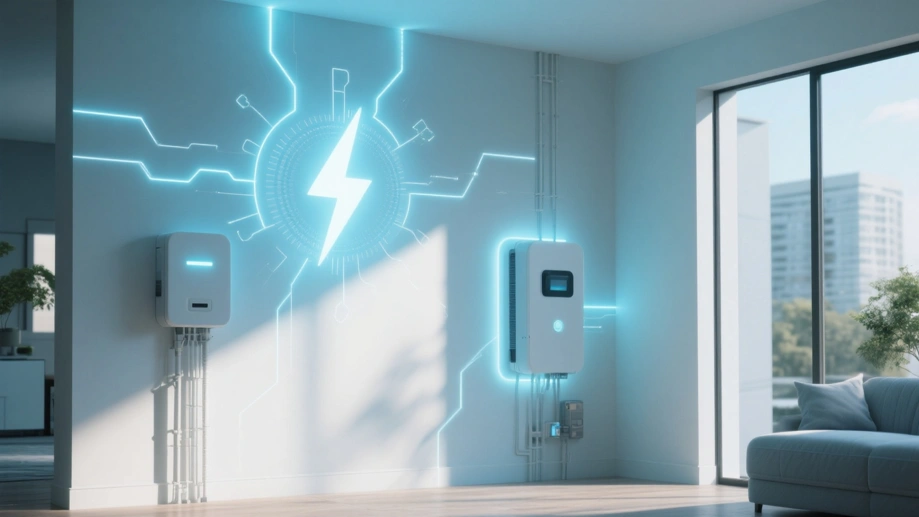
Imagine waking up to a home that greets you with a cheerful "Good morning!" before you even open your eyes. This isn't science fiction—it's the reality of smart homes today, where devices like voice assistants and automated systems are transforming mundane routines into delightful experiences. Gone are the days of fumbling for light switches or worrying about forgotten appliances; instead, your living space learns your habits and adapts, making life smoother and more entertaining. From busy parents juggling work and kids to retirees seeking convenience, smart tech is no longer a luxury but a practical upgrade that adds a dash of fun to daily chaos. As adoption soars globally, with millions integrating these tools, it's clear that the era of the "dumb" home is over, replaced by an intelligent ecosystem that feels like having a helpful friend always on call.
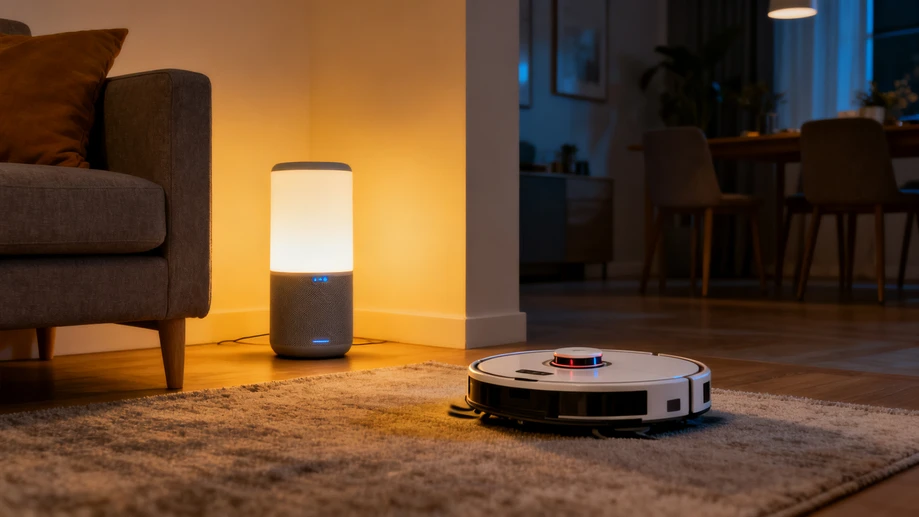
At the heart of this revolution are smart speakers, such as Amazon's Alexa or Google Home, which act as the witty conversationalists of your household. Picture this: you're cooking dinner and realize you're out of olive oil—just ask your device to add it to the shopping list while it plays your favorite podcast. These gadgets don't just respond; they crack jokes, tell stories, and even settle debates with trivia, turning chores into engaging moments. For instance, families report laughing over silly requests, like asking for a dance-off playlist during cleanup time, proving that tech can foster connection rather than isolation. Beyond entertainment, they handle serious tasks too, like setting reminders for medication or controlling other devices, all through simple voice commands. This seamless interaction makes homes feel alive, reducing stress and freeing up mental space for what truly matters—like enjoying that extra cup of coffee.
Lighting and climate control have also evolved from basic functions to intuitive systems that read your moods and preferences. Smart bulbs, like those from Philips Hue, can shift from energizing blue tones in the morning to warm, cozy glows at night, syncing with your circadian rhythm for better sleep. Thermostats, such as Nest, learn your schedule and adjust temperatures automatically, saving energy and money—like a silent butler who knows you hate waking up to a chilly room. Real-life stories abound, like a homeowner who returned from vacation to find her lights perfectly timed to deter burglars, all while cutting her utility bill by 20%. These innovations aren't just efficient; they're playful, allowing you to create scenes like "movie night" with a tap on your phone, where dim lights and cool air set the stage without fuss. It's this blend of practicality and personality that turns everyday adjustments into moments of wonder.
Security features in smart homes add another layer of reassurance, blending safety with simplicity in ways that feel almost magical. Smart locks, like August or Yale models, let you grant access to guests remotely—no more hiding keys under mats—while cameras provide real-time alerts on your phone if anything seems amiss. One user shared how her doorbell camera captured a package thief, leading to a quick police response, all while she was miles away at work. But it's not all serious; these devices can be surprisingly fun, like setting up motion-activated lights that "dance" when you walk in, turning a security measure into a daily giggle. Integration with other systems means your home can simulate occupancy when you're out, flashing lights and playing music to ward off intruders, making protection feel effortless and clever. This peace of mind, coupled with the occasional lighthearted surprise, underscores how tech enhances safety without sacrificing joy.
Automation extends to daily routines, turning tedious tasks into smooth, hands-free operations that save precious time. Imagine your morning: as your alarm rings, the coffee maker starts brewing, blinds open to let in sunlight, and your favorite news brief plays—all triggered by a single command. For busy professionals, this means no more rushing; one father described how automated routines helped him get the kids ready for school while he prepped for meetings, shaving 30 minutes off his chaotic start. Evenings become equally streamlined, with devices like robot vacuums cleaning while you relax, or smart fridges suggesting recipes based on what's inside, reducing food waste. These small efficiencies accumulate, offering hours back each week for hobbies or family time, and they often come with unexpected perks, like a user whose smart garden system watered plants perfectly, leading to the best tomatoes he'd ever grown. It's proof that automation isn't about replacing humans but empowering them to live fuller, happier lives.
As smart homes become mainstream, their impact is undeniable—transforming houses into responsive partners that blend humor, efficiency, and care into everyday existence. While concerns about privacy or complexity exist, advancements in user-friendly designs and robust security protocols are making tech more accessible than ever. The future promises even greater integration, with AI predicting needs before you voice them, but the real magic lies in today's reality: homes that listen, adapt, and occasionally make you laugh. So, whether you're a tech novice or enthusiast, embracing this shift means unlocking a world where convenience meets charm, turning the ordinary into the extraordinary—one witty interaction at a time.