Quantum Entanglement: The Invisible Thread Connecting Particles Across the Universe
This phenomenon defies classical physics and remains one of the most intriguing aspects of quantum mechanics.
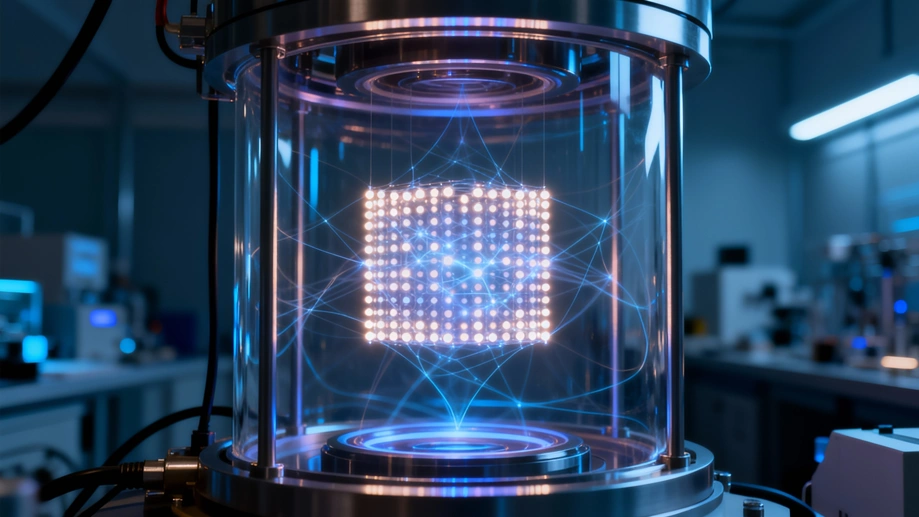
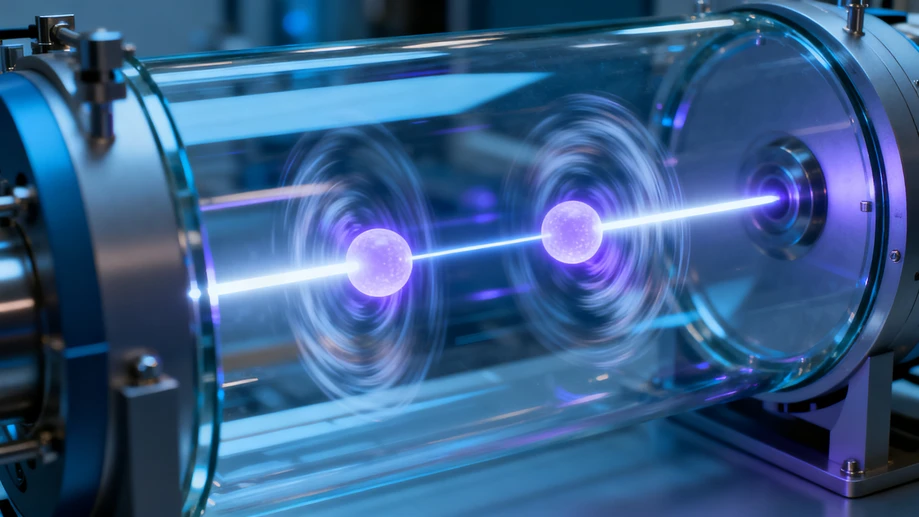
When two quantum particles become entangled, their properties link instantaneously regardless of distance. This connection persists even when particles separate by light-years, forming a single quantum system described by one wave function. Measurements performed on one particle immediately determine the state of its partner, a characteristic Albert Einstein famously called "spooky action at a distance." The non-local correlation challenges fundamental assumptions about space and time, demonstrating that quantum reality operates beyond classical constraints.
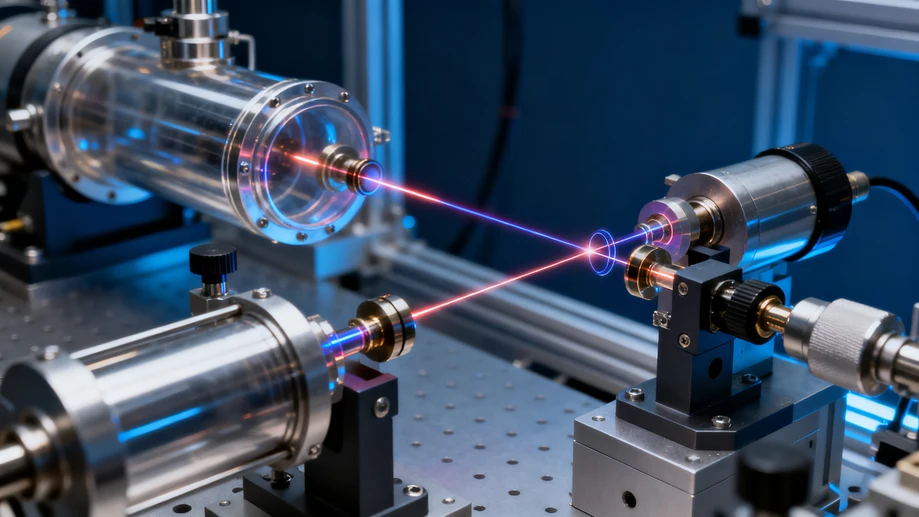
Entanglement manifests through complementary properties like spin, polarization, or momentum. Consider two entangled photons created simultaneously: if one exhibits vertical polarization upon measurement, its twin instantly assumes horizontal polarization. Counterintuitively, neither particle possesses definite polarization before measurement, existing instead in a superposition of all possible states. When measured, both particles collapse into correlated states through a process governed by quantum probability rather than predetermined values.
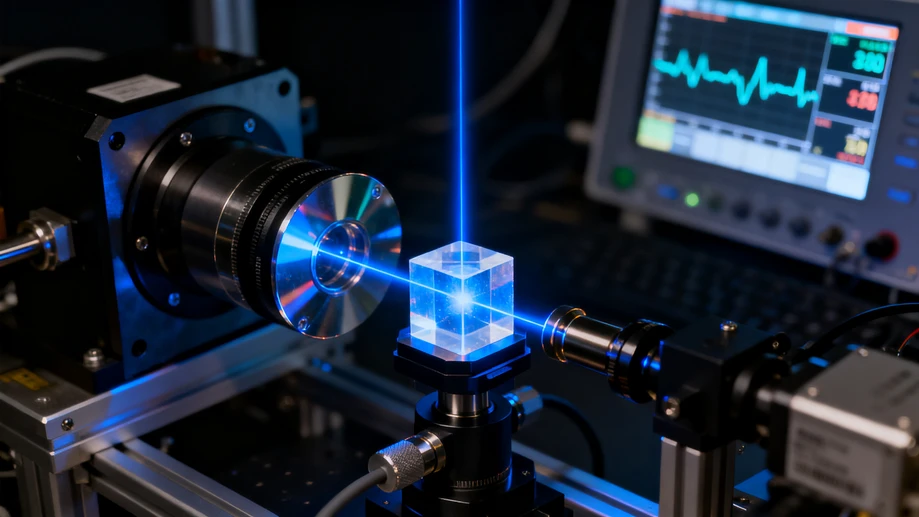
Experimental verification required overcoming skepticism. John Bell formulated mathematical inequalities in 1964 distinguishing quantum entanglement from classical hidden variable theories. Subsequent experiments by physicists like Alain Aspect utilized polarized photons and rapidly switching detectors. By violating Bell's inequalities, researchers confirmed entanglement's quantum nature. Modern experiments maintain entanglement over 1,200 kilometers through satellite-based quantum communication, demonstrating the effect's robustness across cosmological scales.
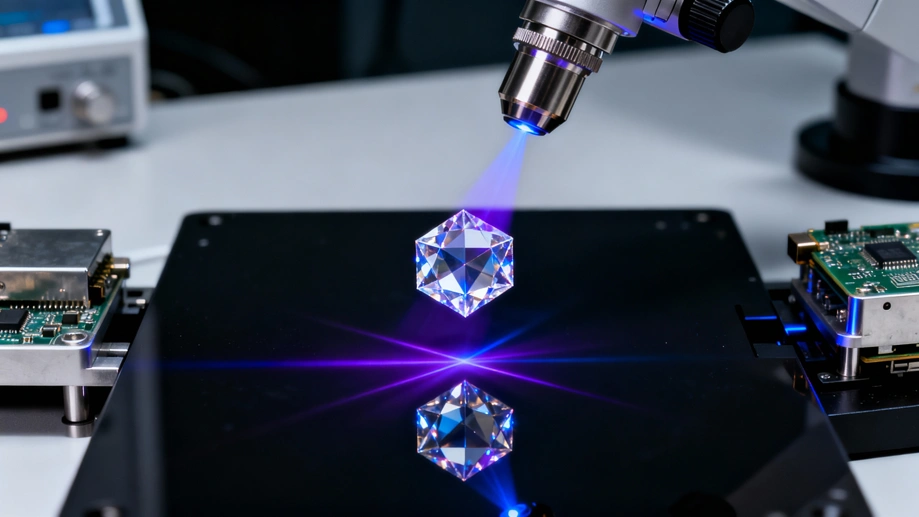
Quantum entanglement enables revolutionary technologies. Quantum cryptography utilizes entangled photon pairs to detect eavesdropping in communication channels. Any measurement attempt disturbs the entangled state, revealing interception through altered error rates. Quantum computing employs entangled qubits to perform parallel calculations. Entanglement allows quantum computers to explore multiple solutions simultaneously, potentially solving complex problems exponentially faster than classical computers for applications like drug discovery and materials science.
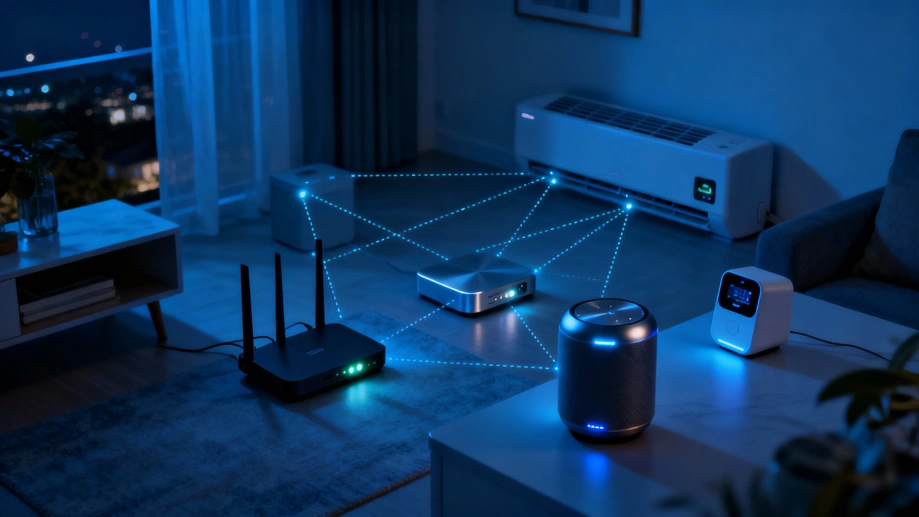
Scientists actively pursue entanglement applications in quantum networks and sensing. Quantum repeaters could extend entanglement distribution through metropolitan-scale networks. Quantum radar exploits entanglement to achieve superior resolution while minimizing detectable emissions. Researchers also investigate entanglement's role in biological processes, including avian magnetoreception and photosynthesis efficiency. The phenomenon may even underlie quantum gravity theories connecting quantum mechanics with general relativity.
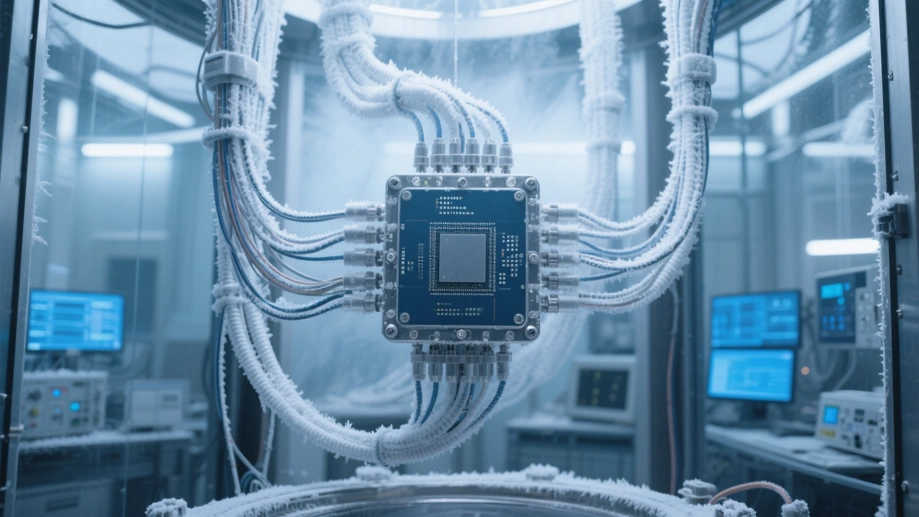
Despite advances, fundamental mysteries endure. The mechanism enabling instantaneous correlation remains unexplained, with interpretations ranging from information transfer through extra dimensions to non-local wave function collapse. Decoherence remains a technological challenge as environmental interactions destroy fragile entangled states. Continued research into entanglement purification and quantum error correction promises solutions, potentially establishing entanglement as the foundation for next-generation technologies reshaping communication, computation, and scientific exploration.