Are We Powering Our Future with Sunshine and Air?
The Unseen Energy Revolution Hiding in Plain Sight
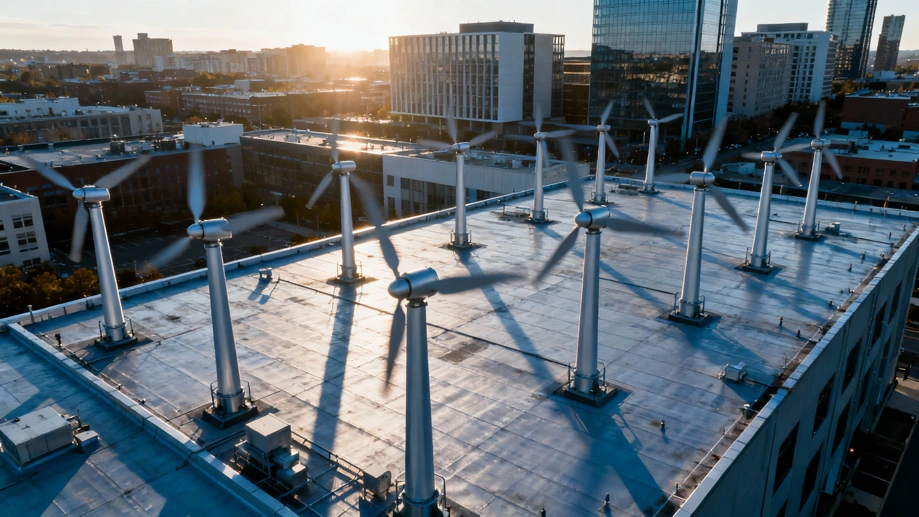
Forget the sci-fi trope of gleaming fusion reactors buried deep underground. The next energy revolution isn’t hiding in a secret lab; it’s unfolding quietly on rooftops, inside factory walls, and even within the paint on your neighbor’s house. Imagine a world where buildings generate their own electricity not just from panels bolted on top, but from their very walls and windows. Envision fueling vehicles not with ancient carbon extracted from the earth, but with clean fuels synthesized from the air itself. This isn’t a distant utopia – it’s the tangible promise of emerging technologies poised to redefine how we harness energy.
Step outside and look at the buildings around you. Now, picture those surfaces actively converting sunlight into electricity, not just passively existing. Cutting-edge 'solar paint' and 'solar coatings' are making this a reality. These aren’t bulky panels; they are liquids infused with light-absorbing nanoparticles or special polymers. Applied like regular paint or sprayed onto surfaces like metal roofing, car exteriors, or even phone cases, they turn ordinary objects into mini power stations. While currently less efficient than traditional silicon panels (hovering around 5-8% conversion efficiency versus 15-22%), their versatility is revolutionary. Imagine entire skyscrapers, not just their rooftops, contributing to the grid, or electric vehicles charging themselves ever so slightly while parked in the sun.
Look through a window. What if that clear pane wasn’t just letting light in, but also capturing a portion of its energy? Transparent photovoltaic (PV) glass is achieving precisely this magic trick. By embedding ultra-thin layers of light-absorbing materials – like advanced perovskites or organic semiconductors – between glass panes, these windows maintain visibility while generating electricity from non-visible wavelengths like ultraviolet or near-infrared light. The efficiency is climbing steadily, with some prototypes exceeding 15% without compromising transparency. Picture vast office towers, greenhouse complexes, or even your sunroom transforming into vertical power generators, seamlessly blending energy harvesting with architectural design and daily life.
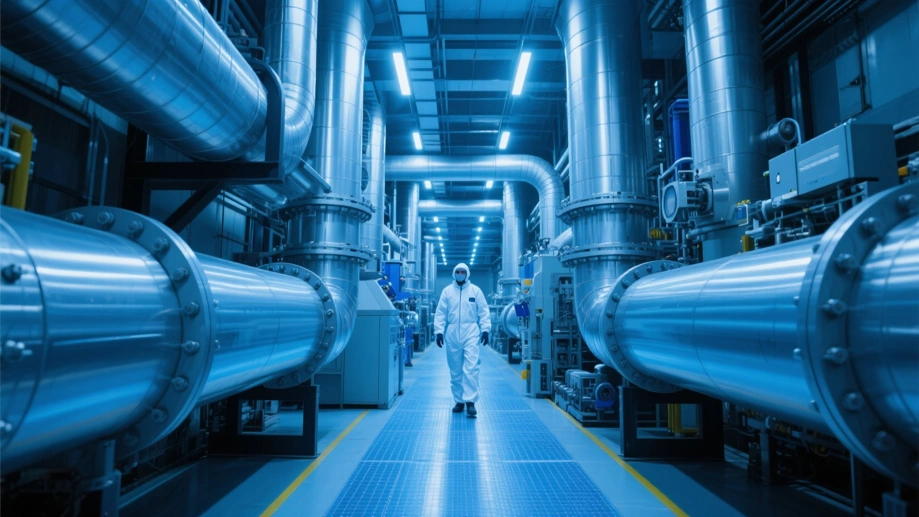
The most audacious frontier? Turning air directly into fuel. Direct Air Capture (DAC) technology, combined with advanced electrolysis, is making headway. Large-scale fans pull atmospheric air through filters that selectively trap carbon dioxide molecules. Meanwhile, renewable electricity powers electrolyzers to split water into hydrogen and oxygen. Then comes the alchemy: using catalysts, the captured CO2 is combined with the green hydrogen to create synthetic fuels – methanol, ethanol, or even synthetic kerosene for aviation. The process essentially recycles atmospheric CO2, creating carbon-neutral liquid fuels compatible with existing engines and infrastructure. While scaling remains a challenge and energy efficiency is key (current processes are around 45-60% efficient), pilot plants globally are proving the technical feasibility. Imagine refineries of the future producing gasoline made not from oil wells, but from sunshine, water, and air.
Cost and scale are the inevitable hurdles, but the trajectory is promising. Prices for solar coatings and transparent PV are dropping as manufacturing scales, mirroring the trajectory of conventional solar panels. The cost per ton of captured CO2 via DAC has plummeted from over $600 to under $200 in the last decade, with projections of $100 or less within the next 10-15 years. Governments and private investors are pouring billions into these technologies, recognizing their critical role in deep decarbonization, especially for hard-to-electrify sectors like shipping, aviation, and heavy industry. The energy transition isn't just about swapping coal for wind farms; it's about embedding energy capture into the fabric of our environment and creating circular carbon economies.
This quiet revolution doesn't require waiting for hypothetical mega-projects. It involves integrating energy generation into our homes, workplaces, and transportation networks in subtle yet profound ways. It’s about leveraging the sun hitting our walls and windows right now, and capturing the carbon molecules we inadvertently release. The science is concrete, the prototypes work, and the momentum is building. These aren't just niche experiments; they represent a fundamental shift towards a future where our energy comes, quite literally, from the world around us. As efficiency improves and costs fall, the invisible energy harvesters – our homes, cars, and factories – will become potent allies in building a truly sustainable world. The future, powered by sunshine and air, might be closer than we think.