5 Mind-Blowing Game Technologies You Can Try Today
Unlock the Future of Play with These Real-World Innovations
Gaming has evolved from simple pixelated screens to a world where technology blurs the line between reality and fantasy, all without leaving your couch. Just a decade ago, we marveled at basic graphics; now, advancements in global tech are making games more immersive, accessible, and downright fun. Think about how streaming services changed TV—game tech is doing the same, but with interactive twists. From cloud-based systems that eliminate bulky consoles to AI that adapts to your play style, these innovations aren't sci-fi dreams. They're here, transforming everyday entertainment into something extraordinary. For instance, during the pandemic, many turned to games for social connection, proving that tech isn't just about fun—it's about bringing people together in new ways. The best part? You don't need a lab or a fortune to experience it; your smartphone or home setup is the gateway.
Cloud gaming is revolutionizing accessibility, letting you play AAA titles on any device with an internet connection. Services like Xbox Cloud Gaming and NVIDIA GeForce Now stream games directly to your phone, tablet, or smart TV, cutting out the need for expensive hardware. This tech relies on massive data centers and low-latency networks, with 5G speeds making it seamless—no more lag during intense battles. It's like having a gaming console in your pocket, ready for a quick session on the bus or during lunch breaks. Real-world benefits include reducing e-waste, as fewer devices are discarded, and democratizing play for those in regions with limited access to consoles. Plus, developers can push updates instantly, ensuring games stay fresh without downloads. Imagine playing the latest RPG on your old laptop; it's not magic, it's modern engineering at work.
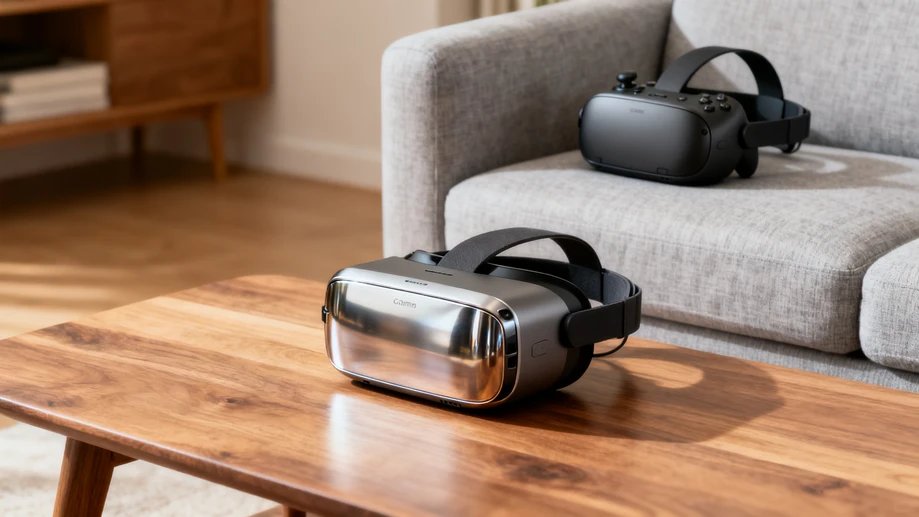
Virtual and augmented reality (VR/AR) are no longer niche gadgets; they're enhancing daily life with immersive experiences. VR headsets like the Meta Quest 3 transport you to virtual worlds for workouts or social hangouts, while AR apps like Pokémon GO overlay digital elements onto real streets, turning walks into adventures. These technologies use advanced sensors and spatial computing to track movements accurately, creating a sense of presence. For example, fitness apps gamify exercise, making treadmills feel like jungle runs. Beyond entertainment, AR is used in education—students explore historical sites through their phones—or in retail, where you "try on" clothes virtually. The hardware is affordable now, with standalone devices costing less than a gaming console. It's proof that tech isn't isolating; it's encouraging us to move and explore our surroundings in playful ways.
Artificial intelligence is the silent hero behind smarter, more engaging games, adapting to your actions in real-time. AI algorithms power non-player characters (NPCs) that learn from your strategies, making each playthrough unique—like in games such as "The Last of Us Part II," where enemies coordinate dynamically. Machine learning also personalizes content; for instance, Netflix-style recommendations suggest new games based on your habits. On the development side, AI tools generate realistic environments or dialogue, speeding up creation without human input. This isn't about robots taking over; it's about enhancing creativity and efficiency. Everyday examples include voice assistants in games that respond naturally to commands, or adaptive difficulty that keeps challenges fair. The result? Games feel alive and tailored, turning casual play into a deeply personal experience.
Haptic feedback and wearable tech add a tactile layer, making virtual worlds feel real through vibrations and motions. Devices like PlayStation's DualSense controller simulate textures—such as raindrops or footsteps—enhancing immersion without visuals. Wearables, such as smart gloves, let you "feel" objects in VR, like grabbing a virtual sword. This tech is rooted in engineering feats like piezoelectric actuators, which convert electrical signals into physical sensations. It's not just for gamers; physiotherapy apps use haptics for rehab exercises, making recovery interactive. Innovations are becoming mainstream; affordable earbuds with spatial audio create 3D soundscapes, tricking your brain into thinking sounds come from all directions. As these tools integrate into daily routines, they're redefining how we interact with digital content—turning passive consumption into active, sensory-rich play.
The future of game tech promises even more seamless integration into our lives, with trends like edge computing reducing delays and blockchain enabling secure in-game economies. But it's not about distant fantasies; it's happening now, making entertainment more inclusive and sustainable. As these technologies advance, they'll continue to blur boundaries—think of games that blend with social media or fitness trackers. The key takeaway? You're part of this evolution. Try a cloud game on your phone, strap on a VR headset, or explore AI-driven apps. It's accessible fun that's reshaping how we unwind, connect, and dream. So, dive in—the next level of play is already at your fingertips, waiting to be discovered in your everyday world.