Could Our Cars Soon Run on Air? The Surprising Truth About Next-Gen Energy
Exploring the cutting-edge technologies that might power our future without costing the Earth.
Imagine your morning commute powered by nothing but compressed air. While it sounds like science fiction, engineers worldwide are racing to turn this concept into reality. As climate concerns intensify, researchers are digging beyond solar panels and wind turbines to unearth radical energy solutions hidden in plain sight. From capturing the kinetic energy of ocean waves to transforming algae into biofuel factories, the energy revolution is brewing in unexpected corners of our planet. These aren't lab curiosities—they're technologies being tested in real-world environments, promising to reshape how we power everything from smartphones to cities.
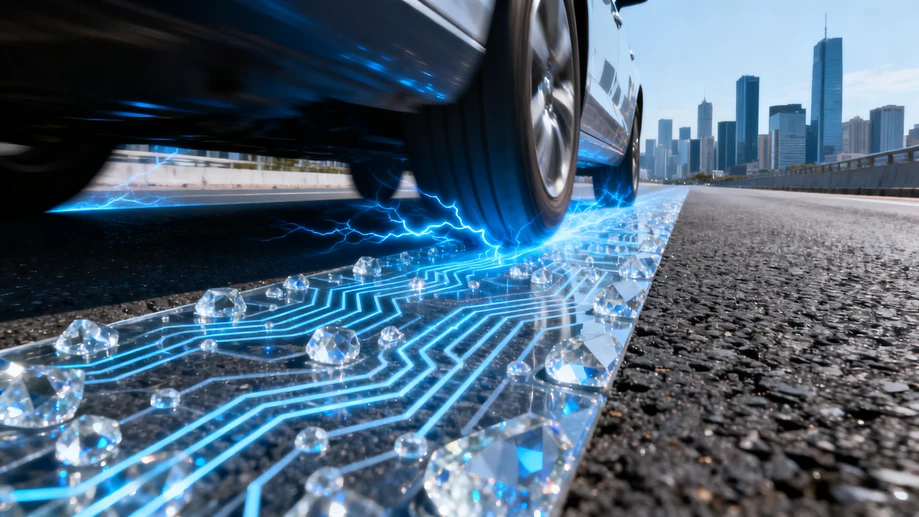
One breakthrough turning heads involves piezoelectric roads. Picture highways embedded with special crystals that generate electricity when vehicles drive over them. South Korean engineers recently installed a 20-meter test stretch near Seoul, where passing cars produce enough power to run streetlights. Meanwhile, French scientists are experimenting with "energy harvesting" sidewalks that convert footsteps into usable electricity for nearby buildings. The magic lies in advanced polymers that efficiently transform mechanical pressure into electrical current—a concept that could soon turn every road into a power plant.
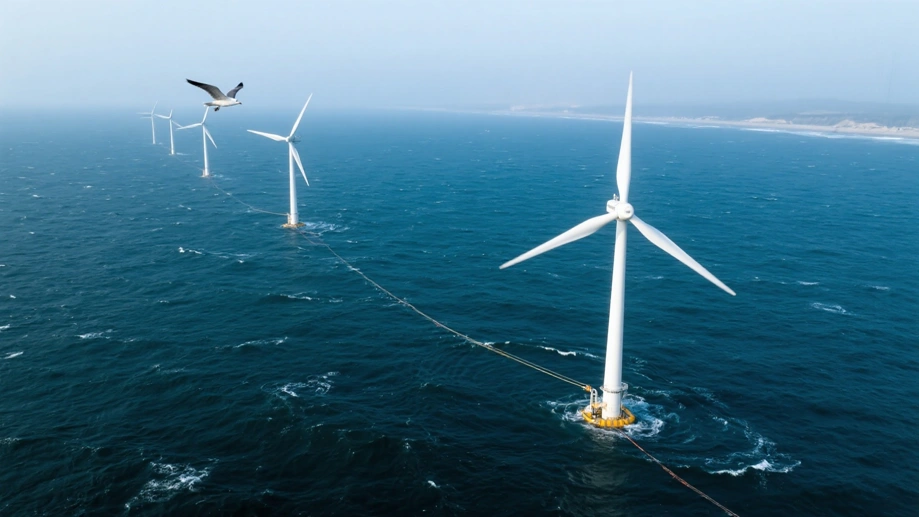
Ocean energy is making waves with innovations like underwater kites. These tethered devices, currently undergoing trials off Ireland's coast, fly through deep ocean currents in figure-eight patterns, spinning turbines at speeds five times faster than stationary units. Unlike tidal systems that disrupt marine ecosystems, these kites operate in deep waters with minimal environmental impact. Simultaneously, Norwegian engineers are perfecting osmotic power plants that generate electricity where freshwater rivers meet the sea. By exploiting the natural salt gradient through semi-permeable membranes, they're tapping into a continuous energy source as reliable as the tides themselves.
Perhaps the most surprising contender comes from modified bacteria. Synthetic biologists have reprogrammed E. coli microbes to consume carbon dioxide and excrete biofuel—essentially creating living fuel factories. These microorganisms thrive in sunlight-filled tanks, converting greenhouse gases into usable energy while requiring only minimal nutrients. Pilot facilities in California already produce diesel-equivalent fuel using this method, with output efficiency doubling every 18 months. What makes this revolutionary is its circular economy potential: emissions from factories could become raw material for clean fuel production.
The real game-changer might be thermal energy storage, where excess electricity gets converted into heat stored within volcanic rocks or molten salt. German engineers recently demonstrated a system that preserves energy at 1,200°C for weeks inside insulated graphite containers. When needed, this heat drives turbines to regenerate electricity—solving renewable energy's biggest limitation: intermittency. Similar systems are being scaled for residential use, with prototype units resembling water heaters that can power homes through cloudy or windless periods using stored solar energy from sunny days.
As these technologies mature, they promise more than cleaner energy—they could democratize power generation globally. Remote villages might run on wave-powered microgrids, while cities draw energy from piezoelectric subway tunnels. Biofuel-producing bacteria could transform landfills into energy farms, and thermal batteries might eliminate blackouts. The transition won't happen overnight, but with prototypes already outperforming expectations, the future of energy looks less like science fiction and more like an imminent reality. Our grandchildren may wonder why we ever burned anything at all.