Why Is Your Salad Secretly a Biotech Superhero?
How gene-edited greens are quietly revolutionizing your plate and the planet
Picture this: you're biting into a crisp, ruby-red strawberry in the dead of winter, its sweetness bursting like a summer memory. This ordinary miracle hides an extraordinary truth – your produce aisle has become a front line in a biological revolution. While we debate smartphones and electric cars, biotechnology has tiptoed into our kitchens through the back door. Forget sterile labs; the real action is happening in sun-drenched fields where scientists collaborate with farmers, tweaking nature's code not to create monsters, but to solve humanity's oldest problems: hunger, waste, and disease. The CRISPR technology editing your veggies isn't sci-fi – it's as real as the dirt under a farmer's nails.
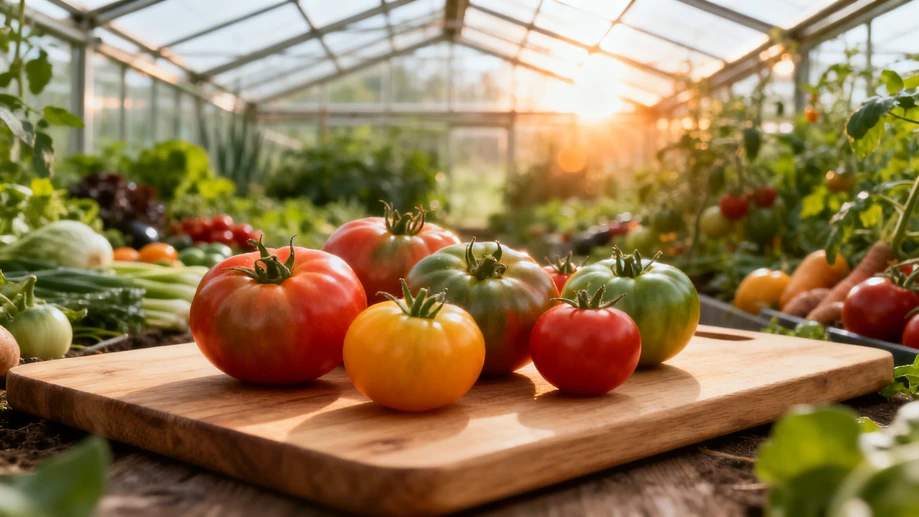
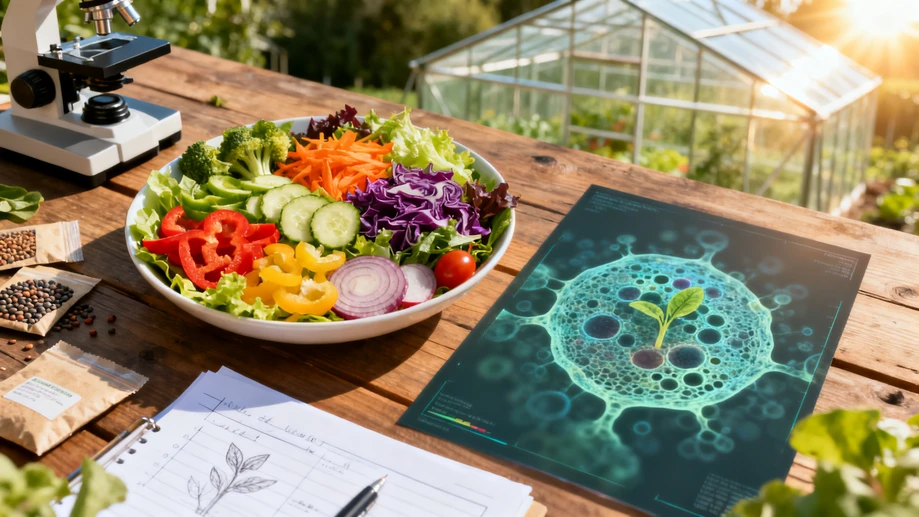
Consider the humble lettuce. Traditional varieties wilt faster than ice cream in August, but gene-edited versions now stay crisp for weeks, reducing supermarket food waste by 40%. This isn't genetic modification of the 90s; it's precise molecular gardening. Scientists make tiny adjustments to existing genes – turning off the "bruise easily" switch in potatoes or activating natural drought-resistance in tomatoes. The result? Crops that thrive with less water, fewer pesticides, and longer shelf lives. Farmers from Kenya to Kansas are reporting 30% higher yields using seeds designed to withstand local climate extremes. Your salad bowl has quietly become a sustainability champion, fighting food waste one crunchy leaf at a time.
The biotech ripple extends beyond vegetables. Engineered yeast now produces vanilla flavoring in fermentation tanks instead of raiding rainforests for orchid vines. Palm oil alternatives grow in algae bioreactors, sparing orangutan habitats. Even your morning orange juice might soon come from disease-resistant trees edited to survive citrus greening – a bacterial plague that's devastated Florida's groves. These innovations share a common thread: using biology's own tools to create abundance without ecological ransom. As climate chaos disrupts harvests, these bio-solutions act as agricultural insurance policies, keeping pantry staples affordable and available.
Consumer acceptance grows as benefits become tangible. Purple tomatoes packed with cancer-fighting anthocyanins? Mushrooms that resist browning? These aren't novelty items but nutritional upgrades. The real game-changer came when regulators agreed these precise gene edits differ fundamentally from transgenic GMOs. No foreign DNA gets added – just nature's existing toolkit optimized. Still, challenges persist. Smallholder farmers need affordable access, and global regulations remain a patchwork. Yet the momentum is undeniable, with over 200 gene-edited crops in development globally, from low-gluten wheat for celiac sufferers to allergen-free peanuts.
What does this bio-future taste like? Imagine avocados that stay perfectly ripe for three weeks, reducing the guacamole gamble. Envision wheat that fixes nitrogen like beans, slashing fertilizer runoff choking our oceans. Picture vineyards where edited grapes resist mildew without copper sprays tainting the soil. This isn't about creating exotic frankenfoods but perfecting the ordinary – making everyday foods more resilient, nutritious, and planet-friendly. As climate change accelerates, embracing these biological tools becomes less a choice than a necessity for food security. Your next bite of salad might just be the most revolutionary act on your plate.