Could Your Salad Bowl Outsmart Climate Change?
The secret life of gene-edited greens fighting extinction on your plate
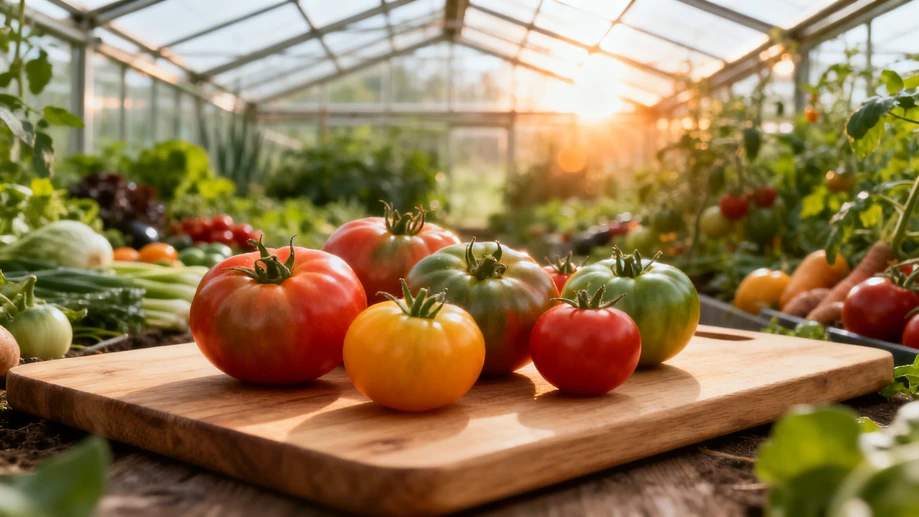
Picture this: you're crunching through a vibrant salad while your lettuce quietly performs a botanical magic trick. Beneath those emerald leaves lies a genetic shield against droughts that once would've turned entire fields to dust. Welcome to dinner in the age of global biotech, where scientists have swapped lab coats for farmer's markets, engineering crops that survive our planet's mood swings. From Shanghai apartments to Parisian bistros, invisible biological upgrades are rescuing tomatoes from devastating blights and fortifying rice with extra nutrition. These aren't frankenfoods – they're delicious reinforcements in humanity's unspoken war against extinction.
The real action happens far from sterile laboratories, in fields where stubborn cassava plants now shrug off viruses that once starved millions. Across Africa, disease-resistant varieties grow alongside traditional crops, their enhanced DNA barcodes detectable only by machines. In coastal Bangladesh, farmers cheer as 'scuba rice' survives weeks underwater during monsoon floods, its newly tweaked genes acting like botanical scuba gear. Even coffee lovers benefit quietly from beans edited to resist the rust fungus creeping toward java-growing regions worldwide. These innovations spread through handshakes between scientists and subsistence farmers, proving biotech’s most radical application feeds villages before it feeds headlines.
Harnessing nature's own toolbox revolutionized this quiet revolution. Researchers didn't invent genes – they became expert editors of existing code, snipping vulnerabilities like typographical errors. Using CRISPR technology (nature's molecular scissors), they accelerate changes that once took millennia. Consider the chestnut forests returning to American landscapes after scientists inserted a single wheat gene to defeat blight. Or papayas across Hawaii still thriving thanks to 1990s viral resistance engineered through conventional methods. These aren't sci-fi fantasies but real-world fixes, as practical as patching leaky software – except this update nourishes civilizations.
Traditional breeding plays tag-team with high-tech approaches in this global kitchen. Kenyan scientists spent years crossing hundreds of sorghum varieties to create drought-tolerant strains, while Australian winemakers blend ancient grafting techniques with genetic screening to save vineyards from devastating heatwaves. The common thread? Every solution honors local flavors and traditions. Purple tomatoes bursting with antioxidants still taste like sun-ripened Italian heirlooms. Ethiopian teff grain yields triple without losing its distinctive nutty essence in injera bread. Biotech succeeds precisely because it amplifies cultural heritage rather than replacing it – a silent guardian of culinary diversity.
Change sparks healthy debate, of course. Consumers rightfully question long-term impacts, while ecologists monitor gene flow between engineered and wild plants. Yet transparent field trials from Iowa to Indonesia consistently demonstrate safety records comparable to conventionally bred crops. Regulatory frameworks evolve too, with nations like Argentina pioneering science-based approvals for edited crops that require no foreign DNA. The fierce discourse pushes researchers toward precision tweaks rather than wholesale alterations – and that tension delivers better solutions. Ethical boundaries are navigated through open dialogue between scientists, farmers, and eaters worldwide.
Peek into the future now: Soon, you might bite into an orange that prevents macular degeneration thanks to boosted antioxidants. Wheat with rearranged gluten genes could offer celiac-safe bread while maintaining perfect crust. Researchers explore editing coffee beans to naturally thrive without deforestation, potentially saving rainforests one espresso at a time. These aren't distant dreams but projects sprouting today in global collaborations. As climate chaos accelerates, bioengineered foods shift from luxury to lifeline – humble heroes on our plates, rewriting survival one delicious meal at a time.