5 Money Secrets Your Bank Manager Whispered to His Goldfish
Hidden financial truths swirling in plain sight across global markets
Ever wondered why your savings account feels like a leaky bucket? While bankers sip espresso in marble lobbies, a parallel universe of financial quirks operates behind velvet curtains. From Tokyo to Toronto, bizarre economic phenomena shape our wallets in ways no pamphlet explains. Consider how negative interest rates in Japan turned savings accounts into stealth storage fees – paid by you to the bank. Or how Visa cleverly collects "swipe fees" from merchants every time you tap, hiding small fortunes in plain sight within your morning coffee purchase.
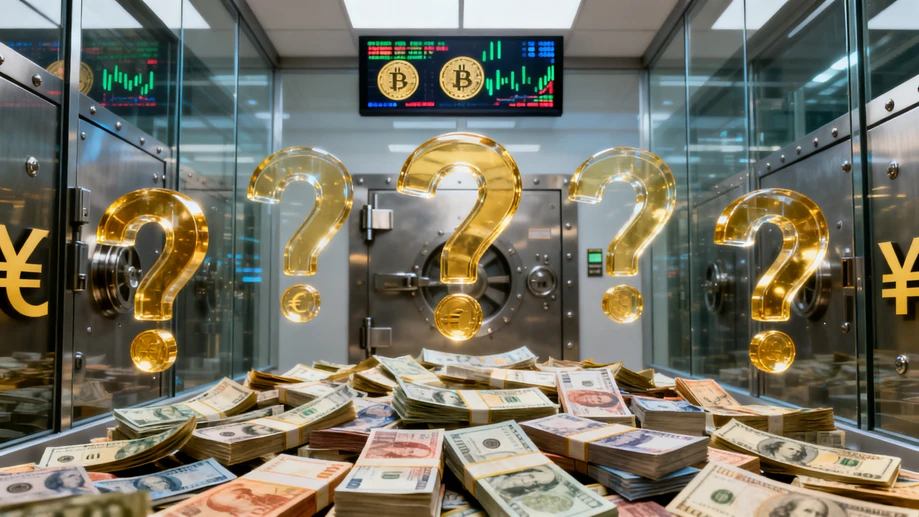
That sparkly new crypto token advertised on your subway wall? Its actual energy consumption could power small nations. Bitcoin mining alone devours more electricity annually than entire countries like Argentina. Then there's the great cash hoard mystery: Despite digital payment surges, global cash in circulation keeps growing like a financial fungus. Over $8 trillion now floats outside banks – enough to wallpaper the Moon with Benjamins. Ask any economist why and you'll get shrugs: mattress money? Black markets? The world's largest lost-and-found?
Inflation plays the world's sneakiest magic trick right before your eyes. That $5 burrito becomes $8 not because avocados got fancier, but because your currency got ghosted. Venezuela offers the ultimate horror show – needing wheelbarrows of cash for bread. Yet Zimbabwe countered with mathematical madness: They printed a one hundred trillion dollar note now worth less than a paperweight. Even "stable" currencies like the US dollar have lost over 95% of their 1913 purchasing power – a silent wealth vaporizer.
The great currency chess game never pauses. When Switzerland unhooked the Swiss franc from the Euro in 2015, markets convulsed globally. Swiss watch exporters wept while ski tourists cheered as overnight exchange rates rollercoastered. Similar tremors happen when Japan props up the yen with cryptic interventions, or when Argentina's peso plunges so fast that street vendors update pricing stickers hourly. These currency tsunamis flood distant shores too – a Brazilian farmer's soybean profits can evaporate before harvest due to a German bank's forex trade.
Your phone buzzes with stock alerts while invisible market puppeteers pull trillion-dollar strings. Fractional reserve banking lets institutions lend out 90% of your deposits – essentially creating money from thin air. Dark pools swallow 40% of stock trades in shadowy private exchanges. Even "too big to fail" remains a haunting reality: Four US banks today hold more assets than the entire 2008 banking system combined. These giants trade derivatives volumes dwarfing global GDP – a hall of mirrors where bets on bets threaten to wobble the entire funhouse.