Does Your Toaster Gossip With Your Thermostat?
The Secret Social Network Happening Inside Your Walls Right Now
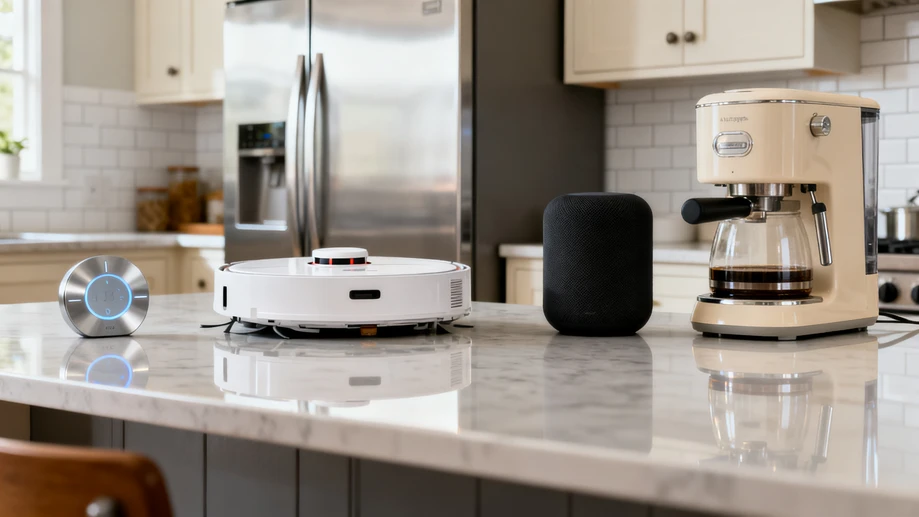
You pour morning coffee while your thermostat adjusts the temperature. As you leave for work, lights dim automatically. Later, your washing machine starts its cycle right as electricity rates drop. This isn't coincidence - it's your smart devices talking behind your back. Unlike human gossip, this electronic chatter actually improves your life by saving money and energy through coordinated actions most homeowners never notice.
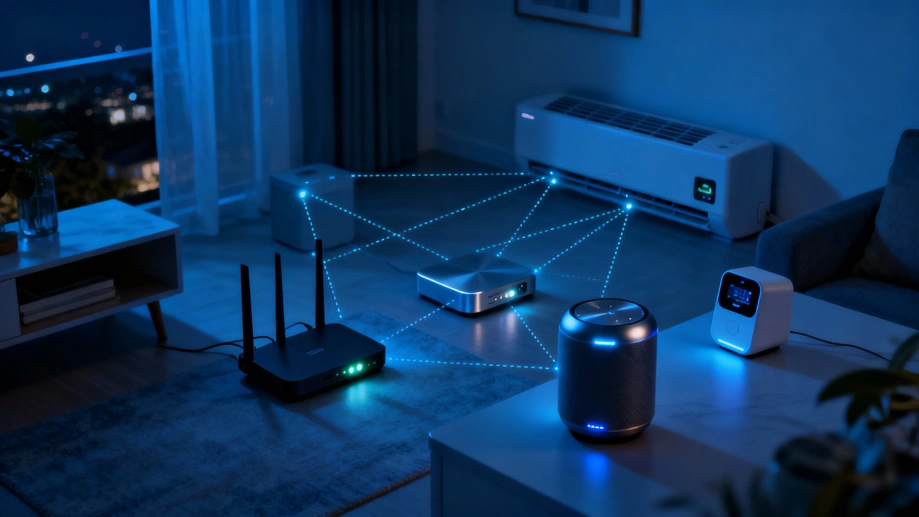
These devices communicate via protocols like Zigbee or Z-Wave, creating a mesh network that functions like a digital hive mind. Each plugged-in device acts as a signal repeater, strengthening the network's range. Your smart bulb relays commands from the router to your backyard irrigation system. The motion sensor in the hallway whispers to the security camera in the nursery. They operate on frequencies separate from your Wi-Fi, avoiding bandwidth conflicts while executing silent agreements about household operations.
Interestingly, this cooperation delivers tangible benefits beyond convenience. Coordinated devices optimize energy consumption automatically. Consider dishwashers and EV chargers that run during off-peak hours only after receiving electricity price updates from the smart meter. Water heaters pre-warm showers after fitness trackers signal workout completion. This automatic scheduling saves 10-15% on utility bills according to energy studies, with homeowners often unaware how the savings occurred.
Yet this interconnectedness raises valid security concerns. Fortunately, manufacturers prioritize layered protection. Mesh networks feature end-to-end encryption, meaning your toothbrush can't divulge your brushing habits to hackers. Devices operate like members of an exclusive club, requiring cryptographic keys for admission. Local processing keeps sensitive routines confined within home walls rather than cloud servers.
The true wonder emerges in how these systems adapt without programming. Advanced smart homes employ predictive algorithms studying behavioral patterns across devices. Your coffee maker might initiate warming cycles earlier during winter months, recognizing garage door openings occur later on cold mornings. Lighting systems gradually adjust color temperatures throughout evenings based on accumulated observations of your Netflix-watching patterns, reducing eye strain.
This technology requires minimal human oversight once established. The sophistication isn't flashy robots folding laundry, but subtle background collaboration. Devices work as an ensemble cast in your home's daily performance rather than demanding individual attention. Their quiet coordination represents smart tech's evolution from novelty to reliable infrastructure.
Ultimately, these inter-device communications showcase how true home intelligence manifests not in single gadgets, but in orchestrated simplicity. The unnoticed handshake between your door lock and hallway lights creates security. The silent agreement between your solar panels and EV charger slashes electricity bills. This hidden ecosystem functions best when unnoticed - proving advanced technology should serve, not distract. With proper setup, your home essentially runs itself while you enjoy the results: comfort meeting efficiency behind the scenes.