Web3 Is Rewriting the Internet and Your Wallet Will Thank You!
Discover how blockchain's next evolution is turning digital ownership into everyday reality.
Imagine waking up to find your favorite meme sold for $500,000. Not the file on your phone, but the original digital version you uniquely own. Welcome to Web3 – where cat videos become assets and online interactions transform into tangible value. This isn't science fiction; it's happening right now through blockchain technology. Unlike today's internet where tech giants control your data, Web3 hands ownership back to users through decentralized networks. Your digital art, music files, and even social media posts can become verifiable property, stored securely on a global ledger visible to all but controlled by you. The revolution quietly unfolds every time someone buys virtual land or trades digital collectibles, reshaping how we perceive value in the digital realm.
At its core, Web3 operates on three game-changing pillars. First, blockchain acts as an unchangeable public diary – recording transactions across thousands of computers simultaneously. Second, smart contracts automate agreements without middlemen; think vending machines that execute million-dollar deals when conditions are met. Third, decentralized storage systems like IPFS shatter the old model of centralized data warehouses. Together, they create an internet where digital items behave like physical objects: scarce, transferable, and provably yours. This technology stack enables everything from NFT art galleries to community-owned social platforms, all running on transparent protocols rather than corporate servers.
Real-world applications already permeate daily life. Artists now release music as NFTs, allowing fans to own limited editions while receiving royalties automatically with each resale. Gamers trade virtual weapons as valuable assets across different gaming worlds. Homeowners use decentralized finance (DeFi) platforms to borrow against crypto holdings for home renovations without bank approvals. Even loyalty programs are evolving; coffee shops issue token-based rewards you can exchange elsewhere rather than points trapped in corporate silos. These aren't theoretical concepts – they're live solutions solving real frustrations about ownership and value exchange in our increasingly digital existence.
The economic shift proves equally fascinating. Web3 introduces "programmable money" through tokens that can represent anything from voting rights in online communities to shares in a song's streaming revenue. Creators monetize directly through microtransactions rather than relying on ad-based models. DAOs (Decentralized Autonomous Organizations) enable global collaborators to pool funds and govern projects transparently via blockchain voting. This token economy creates fluid value streams where participating in a forum or contributing code can yield tangible rewards. Your online activity becomes an economic engine rather than free data for platforms to exploit.
Challenges remain as this ecosystem matures. Energy-efficient blockchains are replacing early power-hungry networks. User-friendly wallets now hide complex cryptography behind simple recovery phrases. Regulatory frameworks gradually adapt to protect consumers without stifling innovation. Scalability solutions process transactions at speeds rivaling traditional payment systems. The technology's rough edges are smoothing rapidly, moving Web3 from early adopters toward mainstream practicality. What began as digital cash now evolves into an ownership layer for the entire internet.
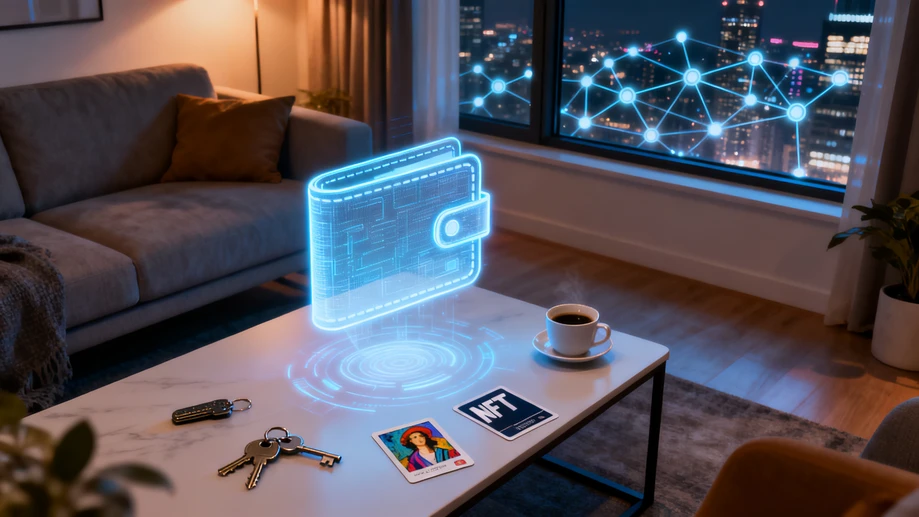
We stand at the threshold of an internet renaissance where users become stakeholders. Web3 doesn't just add features; it fundamentally rewires digital relationships through verifiable ownership and decentralized control. As this technology integrates into streaming services, e-commerce, and social platforms, the line between online and real-world value will continue to blur. Your digital wallet may soon hold assets as diverse as concert tickets, property deeds, and rare digital collectibles – all interoperable across applications. The internet you know is getting an ownership upgrade, and the implications will echo through every click, like, and share.