Quantum Dots: The Tiny Tech Revolutionizing Your Screen
Nanocrystals that bring vibrant colors to life without breaking the bank.
Picture your television screen in the early 2000s – those bulky boxes showing decent colors but nothing extraordinary. Fast forward to today, and the same screen size dazzles with colors so vibrant they seem to jump right out at you. That incredible leap didn't happen from magic lighting or fancy software tricks. The secret hides in nanoparticles barely larger than a single virus. These microscopic marvels work behind the scenes to unlock breathtaking color displays previously found only in high-end electronics.
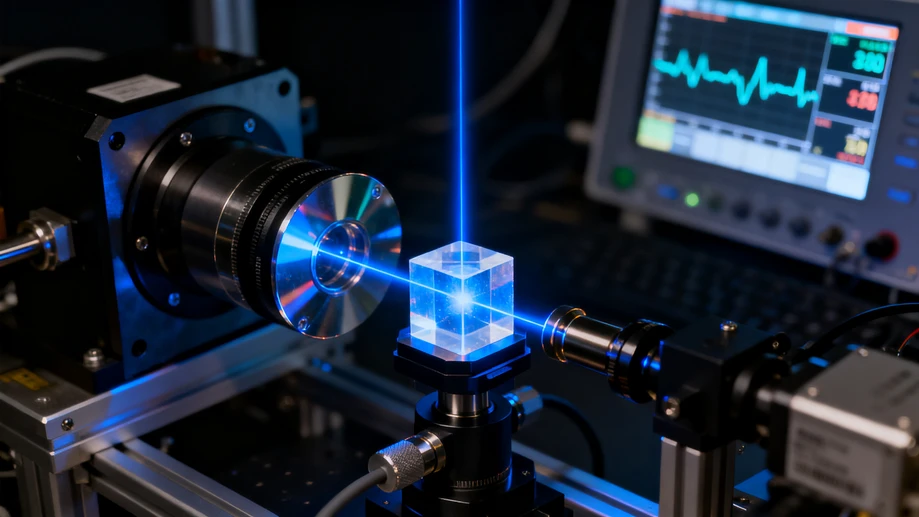
These particles belong to an advanced class called quantum dots. Each one measures a mere 2-10 nanometers across – requiring over five thousand laid end-to-end just to stretch across a human hair's width. Quantum dots possess a fascinating superpower related to their size. When light hits these nanocrystals, electrons inside get excited and produce colored light during their return trip. Crucially, the resulting color depends directly on the dot's physical size rather than chemical makeup. Smaller dots emit blues while larger counterparts generate deeper reds.
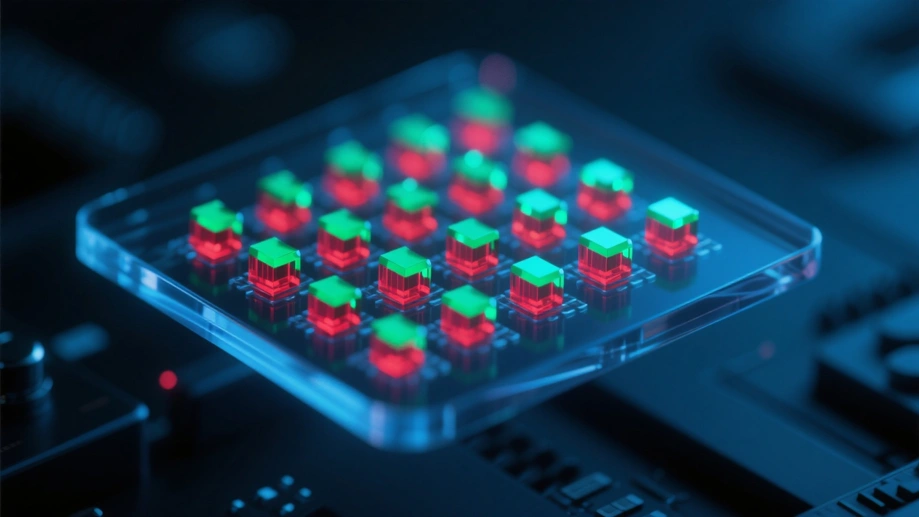
Traditional display panels face color limitations using older organic LED or liquid crystal systems. White light passes through filters that strip away chunks of the spectrum to create basic colors. This filtering method wastes energy and produces muted colors compared to reality. Quantum dot displays sidestep this wasteful approach by generating pure primary colors directly. Their nanocrystals receive blue LED backlighting and transform this energy into precise green and red light – forming vibrant combinations unmatched by previous methods.
Unlike many advanced technologies demanding specialized manufacturing facilities, quantum dots integrate surprisingly smoothly into existing production lines. This practical feature drives widespread adoption across consumer electronics markets. Television screens incorporate quantum dots beneath their top layers without major structural redesigns. Mobile displays benefit through thinner panels requiring lower power consumption. The nanocrystals remain stable for years without color fading concerns affecting earlier display technologies.
Production costs continue dropping dramatically as manufacturing processes mature. Early quantum dot displays commanded premium pricing upon their introduction less than ten years ago. Current market expansion and refined production mean quantum-enhanced screens now appear across mid-range devices previously offering mediocre viewing experiences. Rapid development promises this affordable color revolution will soon reach budget electronics categories globally.
Applications now reach far beyond entertainment screens. Quantum dot tagging enables scientists to simultaneously track multiple biological processes under microscopes due to their varied emission colors. Environmental testing fields harness these particles to detect trace contaminants invisible under ordinary light. Medicine explores using them for precisely targeted therapies guided by bioengineered particles.
Looking forward, next-generation quantum dot designs promise efficiencies approaching perfect energy conversion – nearly eliminating display power waste. Hybrid structures coupling these nanocrystals with emerging screen types could unlock colors our eyes cannot naturally distinguish. Though tiny enough to escape notice individually, together they paint a technological transformation brightening our visual reality one breathtaking pixel at a time.