The Hidden Power in Your Dead Batteries
Unlock the secrets behind recycling tech that fuels the clean energy revolution.
Picture this: your smartphone dies, or your electric car's battery packs it in, and suddenly, you're left with a chunk of potential pollution. Dead lithium-ion batteries—used in everything from phones to vehicles—are piling up worldwide. By 2030, experts predict we'll have millions of tons of them clogging landfills, leaching toxic chemicals like cobalt and lithium into soil and water. It sounds like a disaster waiting to happen, but here's the twist: within these seemingly useless bricks lies a goldmine of opportunity.
This surge in dead batteries coincides with the global push for clean energy. As we shift to electric transport and solar power storage, demand for raw materials skyrockets. Mining new cobalt, nickel, and lithium strains the earth and produces high emissions. Yet, recycling these spent batteries can slash that footprint dramatically. For instance, reusing metals from old packs saves up to 70% of the carbon emissions compared to digging up new ores. It's not just about tidying up—this process is a key puzzle piece in building true sustainability.
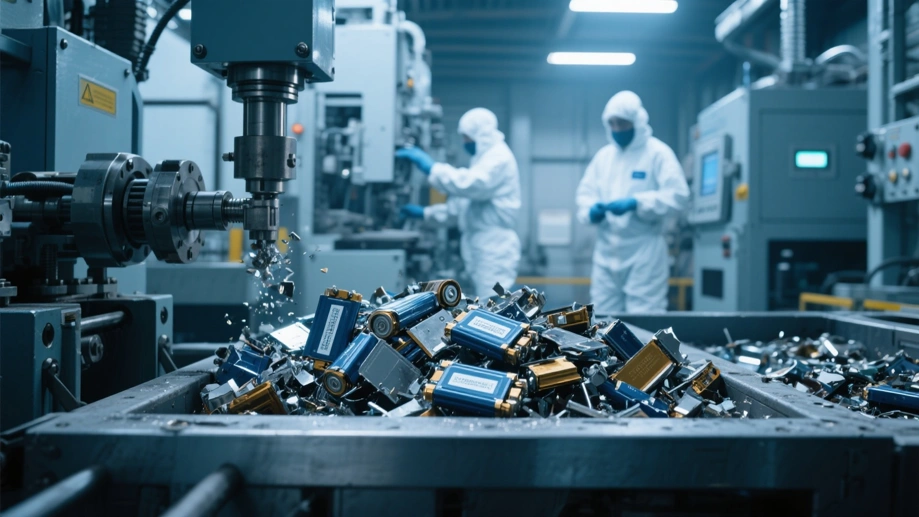
So, how do we turn trash into treasure? Battery recycling involves a clever mix of mechanics and chemistry. First, collected batteries undergo shredding: they're broken down into tiny bits using special grinders. This separates the outer plastic shells, metal casings, and core components like electrode foils. Next comes a vital chemical step—using acids or other solvents to dissolve and extract the valuable metals. Take lithium: it's dissolved and recrystallized into pure powder, ready for new batteries. Simple as it sounds, this method recovers over 90% of materials efficiently.
Now, technology is making this whole process smarter and cheaper. Old-school recycling was energy-intensive and hazardous, with risks of explosions during processing. But modern advances, like automated systems with sensors that detect battery types, prevent mishaps and optimize shredding. Robotic arms handle sorting, boosting safety and speed. Better yet, newer "hydrometallurgical" techniques use milder chemicals and lower temperatures to extract metals, cutting energy use by half and upping purity to near-perfect levels.
Despite these strides, recycling isn't all smooth sailing. One big hurdle is cost: collecting and processing old batteries often outpaces profits, especially as mining remains cheaper due to subsidies and scale. Another challenge is logistics; in many areas, collection points are scarce, and users discard batteries in household trash. This sloppy disposal leads to fires in waste plants and environmental damage. Plus, batteries' varied designs make universal recycling tough—there's no one-size-fits-all fix.
On the bright side, tech innovations are rising to meet these challenges head-on. For instance, researchers are developing AI models that predict battery degradation, allowing smarter recycling timing and reducing risks. Economically, scaling up with government incentives can make recycling cost-competitive; countries like those in Europe already mandate producer take-back schemes, funneling funds into efficient plants. This progress could soon make recycled materials the backbone of affordable clean energy storage.
Ultimately, this hidden tech unlocks clean energy's full potential. By closing the recycling loop, we create a circular economy where batteries power our future sustainably. Think of it: old electric vehicle packs reborn into solar farm storage, reducing waste while fueling green growth. This boosts energy security by cutting reliance on imported raw materials and curbing emissions from both mining and disposal. So next time you toss a dead battery, see it not as an end, but as a vital start to a cleaner world.