Electrons from Thin Air: The Hidden Dance of Solar Panels
Unlocking the quantum magic that turns sunlight into your morning toast
Picture this: Outside your window, a sleek black rectangle sits quietly on the roof. It never moves, makes no sound, yet performs an incredible atomic ballet. Sunlight touches its surface, and suddenly electrons begin to pirouette. This isn't magic - it's photovoltaic science turning the sun's raw power into your coffee maker's morning buzz.
At the heart of every solar panel sits silicon crystals behaving like atomic bouncers. When photons from sunlight hit these crystals, they kick electrons out of their comfortable positions. This frantic movement creates electrical current. Imagine billions of microscopic domino rallies happening simultaneously across the panel's surface. Surprisingly, this sophisticated energy conversion requires no moving parts, no combustion, just pure particle physics at work.
Modern advances have transformed these silent energy harvesters. Earlier versions resembled fragile science experiments, but today's panels shrug off hailstorms and endure decades of weather abuse. Manufacturing innovations allow thinner silicon layers that capture more light across wider angles. Even on cloudy days, contemporary panels harvest diffuse sunlight, proving they're not just fair-weather performers. Their durability now matches traditional roofing materials, while generating electricity as steadily as old-fashioned utility poles.
Storage solutions fix solar power's greatest limitation - nightfall. Battery arrays have evolved from clunky car batteries to sleek wall units that store sunshine like bottled lightning. During daytime excess, these batteries charge silently. Come evening, they release power seamlessly. Picture a water tank filling when rain falls and supplying the house during dry spells. This storage revolution turns intermittent solar generation into round-the-clock reliability, making off-grid living unexpectedly comfortable.
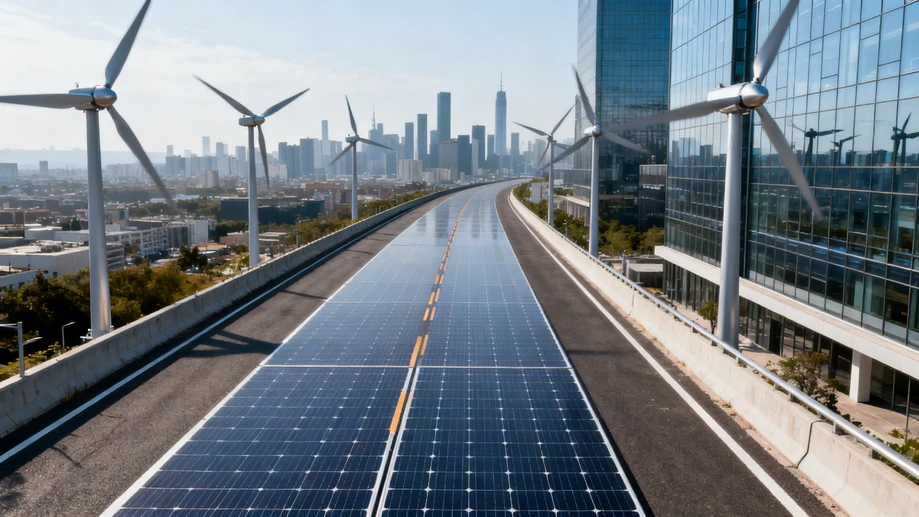
Utility-scale solar farms demonstrate staggering efficiency. Vast arrays track the sun like mechanized sunflowers across hundreds of acres. Advanced cleaning robots maintain peak efficiency by sweeping away dust that would dim household panels. More remarkably, these installations now enhance local ecosystems. Sheep graze between panel rows, controlling vegetation without machinery. Beekeepers establish hives along solar farm borders, creating unlikely partnerships between clean energy and agriculture.
Looking ahead, solar technology continues evolving toward greater accessibility. Transparent photovoltaic coatings could turn ordinary windows into power generators. Flexible solar films promise integration with unconventional surfaces - imagine a camper's awning producing campsite electricity. Researchers even explore solar paints that transform exterior walls into massive collectors. These innovations suggest a future where energy generation blends invisibly into our surroundings rather than occupying separate real estate.
The true revolution lies beyond kilowatt metrics. Solar panels democratize energy production, allowing homeowners to become power producers. Excess electricity flows back to the grid, reversing traditional power dynamics. This decentralized model builds resilience against outages and price fluctuations. While the technology keeps improving, the fundamental wonder remains unchanged: Those quiet rooftop rectangles continue their silent atomic dance, transforming abundant sunlight into the very electricity powering our lives.