Your Morning Coffee's Global Adventure Is More Exciting Than You Think!
From Ethiopian Highlands to Your Kitchen: The Economics in Every Sip
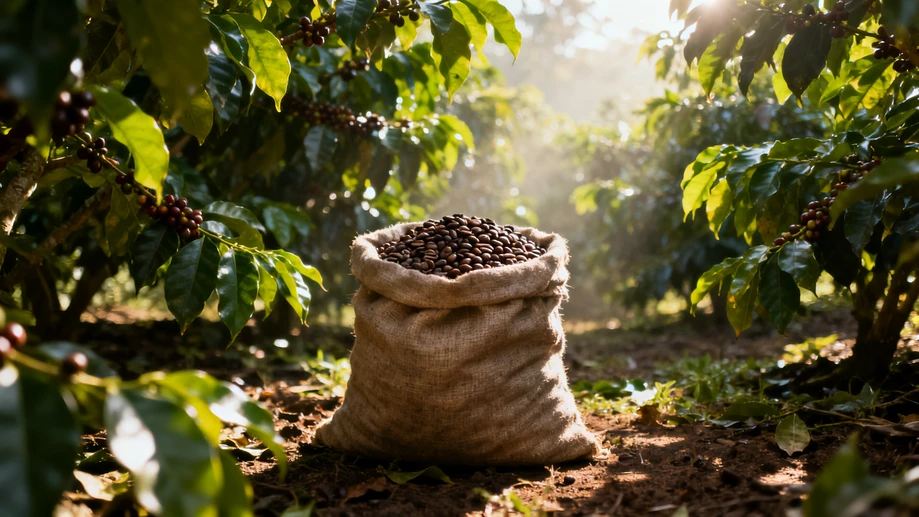
That steaming cup of coffee jumpstarting your day has traveled farther than most vacationers. Over 150 million bags of coffee beans annually embark on a global journey through a complex economic web involving farmers, traders, roasters, and baristas. While you savor its aroma, forces from climate change in Brazil to shipping costs in the Panama Canal influence your brew's price and availability. This daily ritual connects your kitchen to emerging markets in Vietnam, sustainability programs in Colombia, and commodities traders in London. Next time you take a sip, remember: you're drinking liquid globalization.
Most coffee lovers would be stunned to learn their beans likely changed hands in the ICE Futures Exchange in New York before reaching their grinder. Arabica coffee trades as a commodity future, with prices fluctuating wildly based on weather disasters, political unrest in producing nations, or even currency exchange rates. When frost threatens Brazilian crops, your latte costs rise before the damaged beans are harvested. Similarly, supply chain disruptions during the pandemic exposed how shipping container shortages could triple transport costs overnight. Modern coffee economics turn weather reports and geopolitical news into financial forecasts.
Beyond commodities markets lies a quality revolution transforming the industry. Single-origin coffees now command premium prices as consumers trace beans back to specific Ethiopian hillsides or Guatemalan valleys. Blockchain technology verifies fair trade certifications, while direct-trade models cut out middlemen to pay farmers up to 25% more. Meanwhile, climate adaptation becomes survival: Colombian growers experiment with heat-resistant hybrids, while Rwandan farmers terrace hillsides against erosion. Your morning brew increasingly reflects values-conscious capitalism and agricultural innovation.
Economic ripple effects from coffee extend into unexpected territories. Vietnam's meteoric rise as the world's second-largest producer lifted millions from poverty, while Germany built a multi-billion euro industry dominating global processing without growing a single bean. The "coffee ring" phenomenon even inspires scientific research into fluid dynamics with commercial applications. Every stage generates economic activity: from Ethiopian women sorting cherries to Italian engineers designing espresso machines, this aromatic commodity creates intertwined global livelihoods.
Your relationship with coffee reflects broader economic shifts. Subscription services use algorithms predicting your consumption patterns, while app-enabled smart mugs gather drinking habit data worth billions to retailers. The $200 billion global industry must now navigate sustainability pressures, with innovations like water-efficient processing plants and carbon-neutral shipping routes becoming competitive advantages. As disposable incomes rise in traditional tea-drinking nations like China, new markets emerge to fuel the next growth cycle.