Meet Your Future Body Mechanics: Nanobots on Duty!
Tiny Machines That Could Revolutionize Healthcare from Within
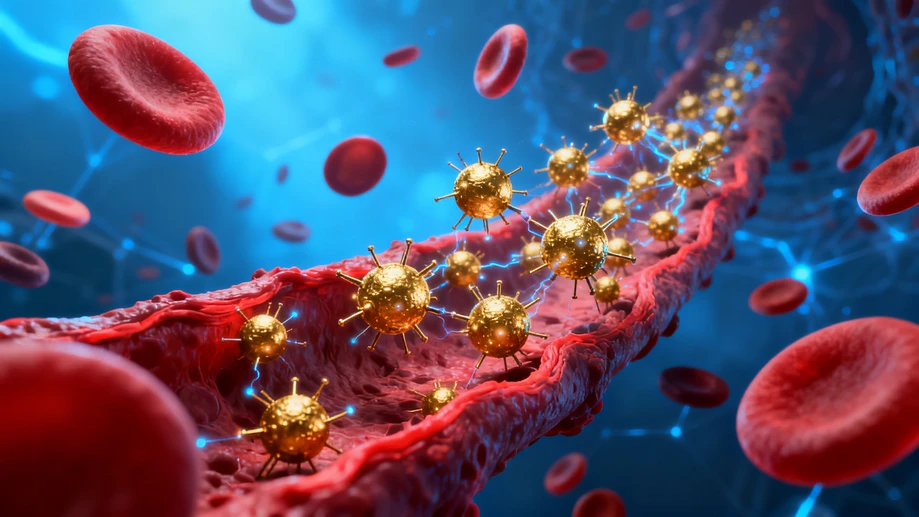
Imagine microscopic repair crews navigating your bloodstream like submarine engineers in a coral reef. This isn't sci-fi – it's the thrilling reality of medical nanobots. These engineered particles, smaller than a human cell, are being designed to perform precise internal surgeries without scalpels. Picture swarms of gold nanoparticles, guided by magnetic fields, delivering cancer drugs directly to tumors while sparing healthy tissue. Or silica-based bots patrolling arteries, scrubbing away dangerous plaque like miniature street sweepers. The era of "intelligent medicine" dawns as these invisible technicians promise to transform invasive procedures into targeted missions conducted from within.
How do these Lilliputian marvels operate? Forget clunky gears; nature provides the blueprint. Some nanobots mimic bacteria, using whip-like flagella to swim through bodily fluids. Others harness chemical reactions – imagine zinc particles reacting with stomach acid to produce tiny hydrogen bubbles that propel them forward. Researchers at institutions worldwide are perfecting navigation systems: magnetic fields steer iron-oxide bots like remote-controlled cars, while temperature-sensitive polymers act as on/off switches. The most advanced prototypes even carry payload compartments that open only when they detect specific disease markers, ensuring pinpoint accuracy impossible with conventional drugs.
Real-world applications are already emerging. Diabetic patients might soon use glucose-powered nanobots that continuously monitor blood sugar and release insulin automatically. Dentists are testing enamel-repairing nanoparticles that fill microscopic cracks before cavities form. During clinical trials, "nanosponges" soaked in toxin-neutralizing compounds have successfully treated venomous snake bites by absorbing poisons like microscopic mops. Even antibiotic resistance faces a challenger: silver nanoparticle coatings on catheters and implants kill superbugs on contact without contributing to resistance, offering a silent shield against infections.
Safety remains paramount in this microscopic frontier. Scientists engineer nanobots from biocompatible materials like DNA origami – structures that fold and unfold harmlessly. Rigorous testing ensures they either biodegrade into harmless byproducts or exit the body naturally. Crucially, these aren't autonomous AIs but pre-programmed tools with single, focused tasks. Current models operate for limited durations before dissolving, minimizing long-term risks. Regulatory frameworks are evolving alongside the technology, with clinical trials following pharmaceutical-grade safety protocols to guarantee these micro-machines heal without unintended consequences.
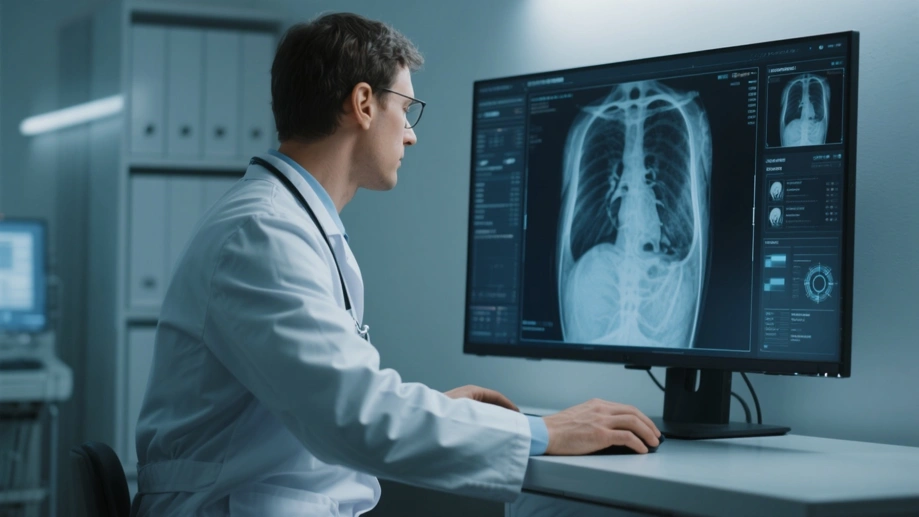
What does tomorrow hold? Visionaries foresee nanobots conducting real-time health diagnostics during routine checkups, transmitting data to doctors via wearable sensors. Imagine repairing spinal cord injuries by bridging neural gaps with self-assembling nanoparticle scaffolds, or reversing atherosclerosis by dismantling arterial plaque molecule by molecule. The convergence with AI could enable adaptive nanomedicine – swarms that communicate to adjust treatment based on changing conditions inside the body. While challenges remain, the trajectory points toward a future where the most skilled "surgeons" work silently inside us, 24/7.
This quiet revolution redefines our relationship with medicine. No longer passive recipients of treatment, we become living ecosystems maintained by symbiotic technology. Nanobots represent not magic, but mastery – humanity's growing ability to engineer solutions at life's most fundamental scale. As research accelerates, these microscopic mechanics may soon become as commonplace as antibiotics, turning science's boldest dreams into routine healthcare. The next time you feel a slight fever, remember: tomorrow's cure might already be en route, swimming purposefully through your veins.