Is the Global Economy Playing Musical Chairs?
Why central banks' rate hikes feel like a high-stakes game of hot potato
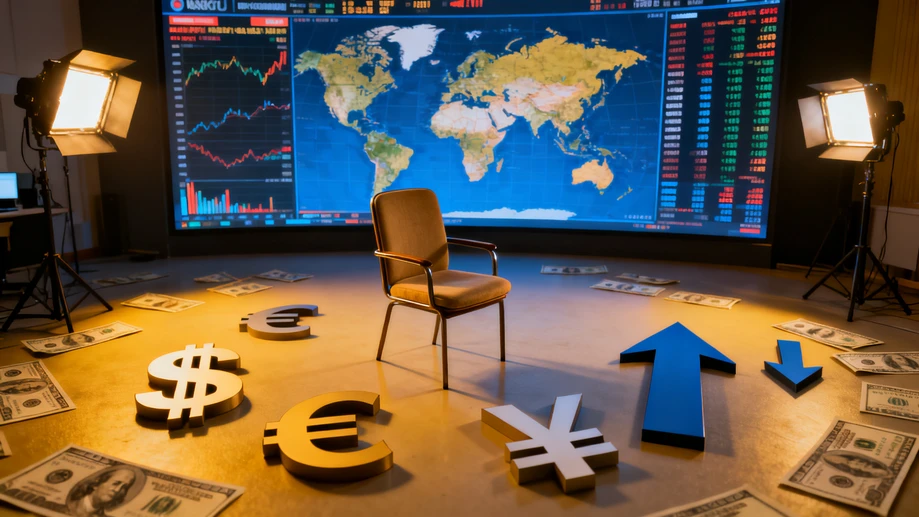
Picture this: global finance as a giant game of musical chairs where the music is about to stop. Central banks worldwide are scrambling for seats as inflation burns through economies, hiking interest rates at speeds unseen in decades. The Federal Reserve raised rates faster than any time since the 1980s, the European Central Bank followed suit, and even the Bank of England joined the frantic dance. But here's the twist – every time one chair gets taken, three more investors get left standing in the cold. This isn't just banker drama; it's reshaping your mortgage payments, grocery bills, and retirement funds in real time.
When central banks crank up interest rates, money suddenly becomes more "expensive" to borrow. Think of it like gravity increasing for everything financial. Mortgages get heavier, credit card balances grow faster, and business loans feel like carrying bricks. But here's the kicker: your savings account finally wakes up from its decade-long coma. Banks now dangle 4-5% interest on deposits – a number grandparents haven't seen since flip phones were cool. Yet this silver lining has storm clouds: higher rates make governments' debt payments balloon. America spends more servicing its $34 trillion debt than on its entire defense budget. Talk about robbing Peter to pay Paul!
Corporate boardrooms are sweating bullets too. Companies that gorged on cheap debt during the zero-interest party now face a brutal hangover. Tech unicorns once valued in billions are scrambling as investors demand profits instead of promises. Meanwhile, Main Street businesses face a double squeeze: pricier loans plus customers tightening belts. The ripple effects hit shipping containers first – ocean freight rates from Asia to Europe plunged 80% as demand cooled. Even your morning coffee tells the story: arabica beans dropped to 18-month lows when recession fears replaced pandemic splurging.
Currency markets resemble a seesaw on steroids. The US dollar flexed unprecedented muscle in 2023, making European vacations cheaper for Americans but crushing emerging markets. Countries like Sri Lanka and Ghana saw their currencies nosedive as dollar-denominated debts became impossible to repay. Meanwhile, Japan played wildcard – keeping rates near zero while others hiked, making yen the bargain basement currency. Carry trade speculators made fortunes borrowing cheap yen to buy high-yield dollars. It's the ultimate global money shuffle where winners and losers change by the hour.
What happens when the music finally stops? Economists watch the "yield curve" like fortune tellers studying tea leaves. Normally, long-term bonds pay more than short-term ones. But when that relationship flips? It's the market's eerie way of whispering "recession ahead." The US curve inverted for over a year – the longest warning since 1980 – yet unemployment stayed mysteriously low. This economic limbo creates bizarre outcomes: AI stocks soar while office towers empty, gold hits record highs despite "strong" economies, and Bitcoin swings wildly as both inflation hedge and risk asset. The only certainty? Volatility is the new normal.
Surviving this game requires strategy, not luck. Savvy investors diversify beyond stocks and bonds – think inflation-protected securities, farmland ETFs, or even vintage watches (Rolex prices outpaced S&P 500 for a decade). For homeowners, locking fixed-rate mortgages is like grabbing a chair mid-game. Businesses hoard cash like squirrels before winter. And everyone's watching the "pivot point" – that magical moment when central banks finally cut rates. But beware: the last player sitting when the music stops might just be holding the hot potato of stagflation. The global economy's chairs keep moving; your job is to keep dancing.