5 Mind-Blowing Ways Advanced Manufacturing Is Rewriting Your Reality
Uncover How Cutting-Edge Tech Seamlessly Integrates Into Your Daily Life, From Smartphones to Sustainable Goods
Imagine a world where the products you use every day—from your coffee maker to your car—are crafted with such precision and speed that it feels like magic. This isn't science fiction; it's the reality of today's global advanced manufacturing revolution, driven by innovations that blend art and engineering. Forget the clunky assembly lines of the past; instead, think of factories humming with intelligent machines that learn, adapt, and produce goods tailored just for you. The journey begins with additive manufacturing, or 3D printing, which allows designers to create complex shapes in hours instead of weeks. For instance, companies like Adidas now use it to print sneaker soles customized to your foot shape, offering comfort and style that mass production could never achieve. This tech isn't confined to labs; it's popping up in local workshops, empowering small businesses to prototype gadgets without huge investments. As we peel back the layers, you'll see how these advancements aren't just about efficiency—they're making products more affordable and accessible, transforming how we live and consume. So, sit tight as we explore the fascinating realm where human ingenuity meets machine precision, all while keeping things grounded in the tangible world of your morning routine.
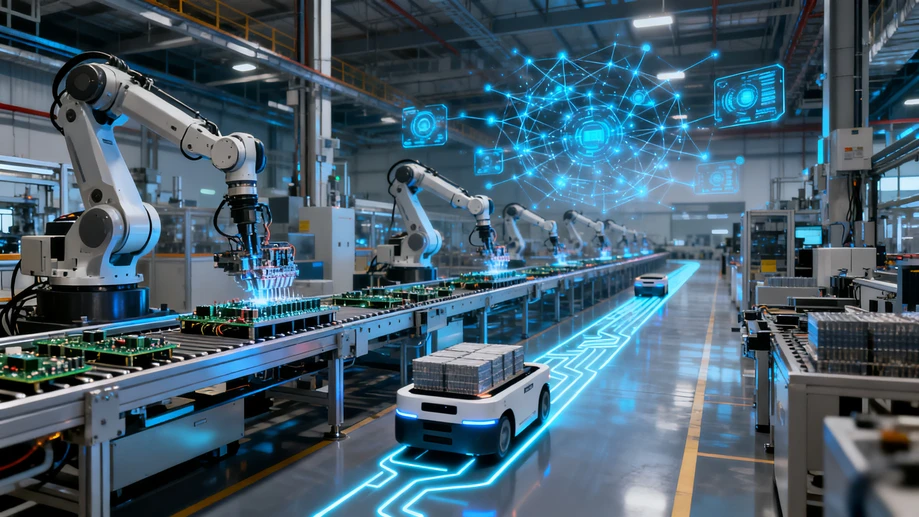
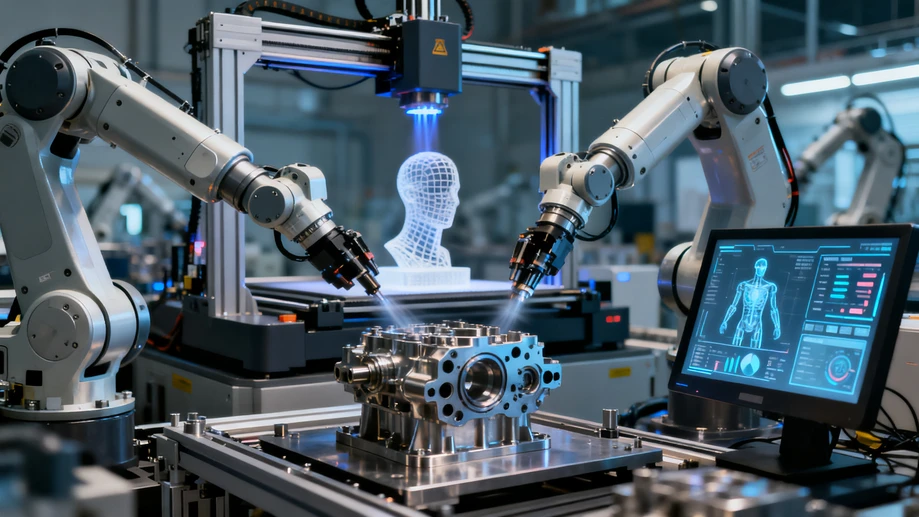
Dive into the heart of additive manufacturing, where layers of material build objects layer by layer, revolutionizing how everyday items are made. Take medical devices: companies like Stryker employ 3D printing to produce personalized knee implants that fit patients perfectly, reducing recovery time and enhancing mobility. This tech extends to consumer goods, too—think of custom phone cases designed on an app and printed at home or in local hubs, eliminating waste and cutting costs. It's not just plastics; metals like titanium are now printed for aerospace parts, ensuring lighter, stronger airplanes. The beauty lies in sustainability; by using only necessary materials, 3D printing slashes carbon footprints compared to traditional methods. Now, shift to artificial intelligence (AI), which acts as the brain behind modern factories. AI algorithms analyze data from sensors to predict equipment failures before they happen, as seen in BMW's plants, where downtime drops by 20% thanks to real-time monitoring. This intelligence even tailors products to your preferences; for example, AI-driven systems in Nike factories adjust shoe designs based on global trends, all while ensuring top-notch quality control. By automating mundane tasks, AI frees up workers for creative roles, making manufacturing jobs more engaging and less hazardous.
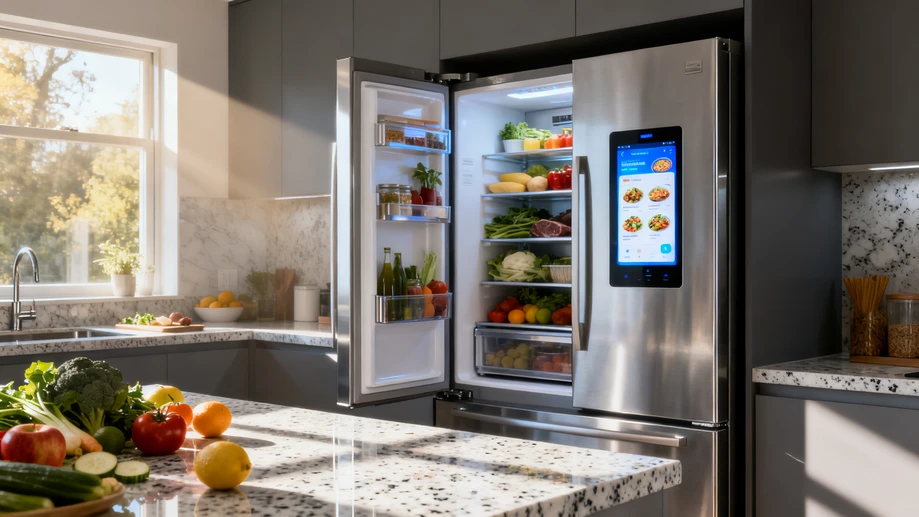
Robotics takes center stage next, with collaborative robots, or cobots, working alongside humans without cages. Unlike old industrial bots, cobots are lightweight and safe, learning from human movements to assemble delicate items like electronics. Toyota's factories use them to fit tiny car components with finesse, speeding up production while maintaining safety. Even in agriculture-based manufacturing, cobots help pack fresh produce, reducing spoilage and bringing farm-to-table goods to your kitchen faster. Then there's the Internet of Things (IoT), weaving smart connectivity into every device. In supply chains, IoT sensors track shipments in real time, as with Amazon's warehouses, ensuring your online orders arrive faster and fresher. This tech extends to home appliances; smart refrigerators now communicate with manufacturers to optimize energy use, thanks to embedded IoT chips. The result? Lower utility bills and a smaller environmental impact. Finally, advancements in materials science are game-changers. Graphene-infused composites, used in bikes by brands like Pinarello, create lighter, durable frames for everyday cyclists. Biodegradable plastics from companies like Ecovative replace petroleum-based ones in packaging, breaking down harmlessly in landfills. These innovations aren't distant dreams; they're already on store shelves, from eco-friendly water bottles to high-performance sporting gear.
As we wrap up, consider the ripple effects: advanced manufacturing is democratizing access to goods. In Africa, mobile 3D printers enable rural communities to produce spare parts for farming equipment, boosting local economies. Similarly, AI-driven micro-factories in Europe let startups launch products rapidly, fostering innovation without massive capital. The future holds even more promise, with trends like digital twins—virtual replicas of physical products—allowing engineers to test designs in simulations before they're built. This isn't just about efficiency; it's about creating a world of abundance, where personalized, sustainable products enhance daily life. Yet, challenges remain, such as ensuring ethical AI use and equitable access. Embrace this evolution; it's reshaping your reality in ways that are as exciting as they are real.