5 Ways Your Morning Coffee Is Secretly a Biotech Marvel
From Bean to Brew, How Science Supercharges Your Daily Ritual
That rich aroma wafting from your cup isn't just magic; it's a symphony conducted by biotechnology. While you savor the warmth, unseen scientific innovations have touched every step of your coffee's journey. Forget sterile labs for a moment – this revolution happens in sun-drenched fields, bustling processing stations, and yes, even your kitchen. It's about making plants tougher, flavors bolder, and your daily indulgence more sustainable, all woven into the fabric of ordinary life. Your simple brew is a testament to biology harnessed for better beans and brighter mornings.
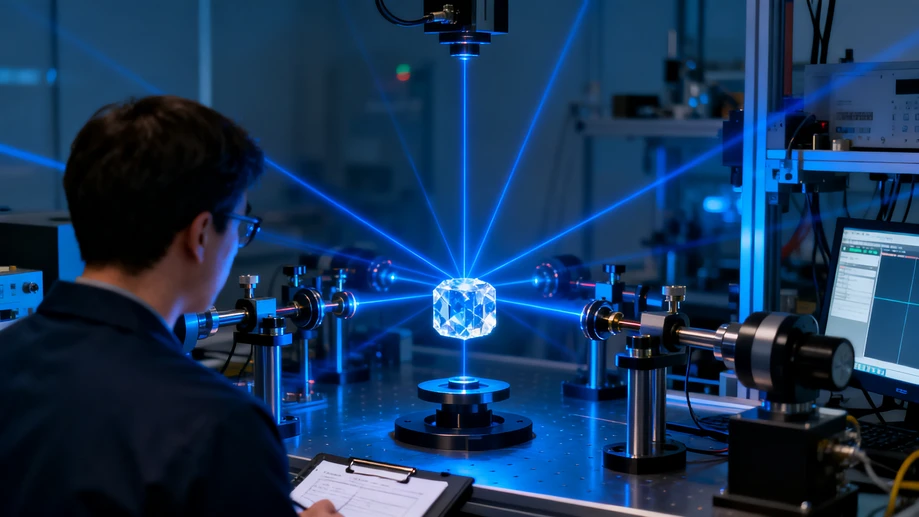
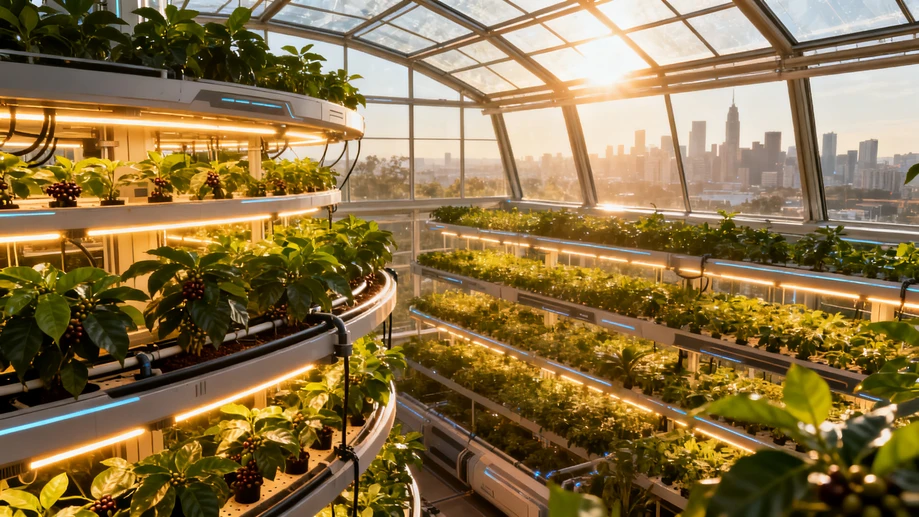
It starts with the bean itself. Traditional coffee farming battles pests, diseases, and a changing climate. Biotechnologists are developing coffee varieties using advanced breeding techniques, like marker-assisted selection. Think of it as giving nature a helpful nudge. Scientists identify genes linked to desirable traits – drought tolerance, resistance to the dreaded coffee leaf rust fungus, or even specific flavor profiles. By precisely selecting parent plants carrying these genes, new generations of coffee trees emerge, naturally hardier and potentially tastier, reducing the need for chemical sprays and safeguarding future harvests for farmers worldwide. This isn't creating Franken-beans; it's accelerating nature's own toolbox.
The journey continues after harvest. Fermentation, a crucial step where microbes break down the sticky fruit pulp around the bean, dramatically impacts flavor. Traditionally, this was unpredictable, relying on wild yeasts and bacteria. Now, biotechnology offers specially selected microbial cultures. These 'designer' microbes, often naturally occurring strains optimized in labs, are introduced to control the fermentation process precisely. The result? More consistent, cleaner flavors – perhaps enhancing those chocolatey notes or bright fruity acids you love – and significantly reduced spoilage. It turns a variable art into a more reliable science, ensuring your favorite roast tastes reliably delicious.
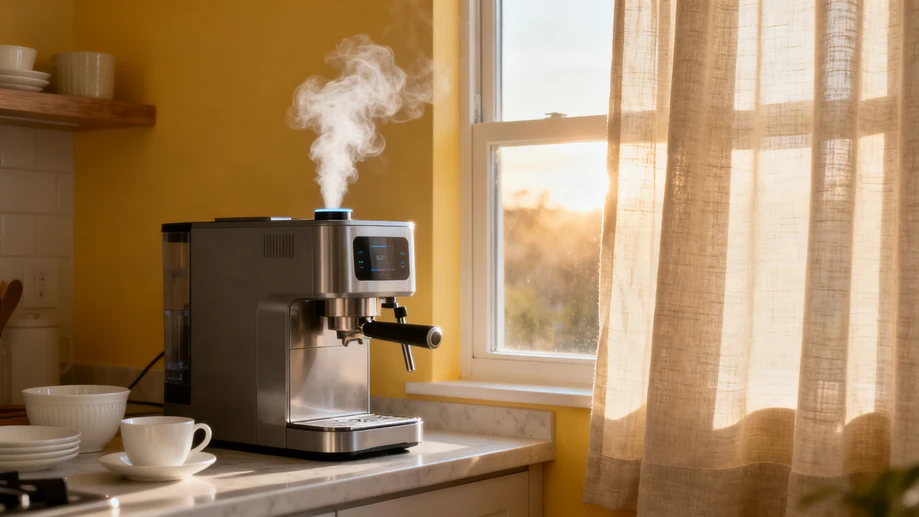
But biotechnology doesn't stop at the farm gate. Enzymes, the powerful protein catalysts found in all living things, are now key players in coffee processing and even brewing. Specific enzymes can be used during processing to remove the coffee parchment layer more efficiently and sustainably, using less water. For decaf lovers, advanced enzymatic processes offer a gentler, more natural method to remove caffeine compared to harsh chemical solvents, preserving more of the coffee's original character. Even in your cup, enzymes derived from biotechnology might be working in some specialty instant coffees to improve solubility and aroma retention, making that quick brew taste remarkably close to the real thing.
The final frontier might be the most surprising: your coffee's shelf life and freshness. Oxygen is the enemy of roasted coffee, quickly leading to staleness. Biotech solutions are emerging in packaging. Imagine materials incorporating antioxidants derived from natural sources like plants, developed through bioprocessing, that actively scavenge oxygen within the sealed bag. Research is also exploring biodegradable films infused with natural antimicrobial compounds, also sourced and enhanced via biotech, to further protect your precious grounds. This isn't sci-fi packaging; it's smart biology working silently to keep that just-roasted flavor locked in longer.
So, next time you lift your mug, take a moment to appreciate the invisible science in every sip. From resilient beans grown with nature-assisted precision, fermented with microbial mastery, processed with enzymatic finesse, and protected by bio-inspired packaging, biotechnology is deeply embedded in your daily coffee ritual. It’s not about creating something alien; it’s about refining the natural world, making your coffee better, more sustainable, and more reliably enjoyable – one fascinating biological innovation at a time. The future of your favorite brew is steeped in biology.