3 Mind-Bending Manufacturing Innovations That Will Reshape Your World
From Self-Cleaning Clothes to Smart Surfaces, How Tiny Tech is Making a Huge Impact
Ever wondered why your new rain jacket beads water like a lotus leaf, or how your smartphone screen seems magically resistant to fingerprints? The answer lies not in magic, but in the invisible revolution happening at the nanoscale. Welcome to the frontier of advanced manufacturing, where scientists and engineers aren't just making things smaller; they're fundamentally re-engineering materials atom by atom. This isn't science fiction confined to labs; it's sophisticated technology already enhancing everyday products you interact with daily, making them smarter, cleaner, and more durable without you even noticing the complex science behind them.
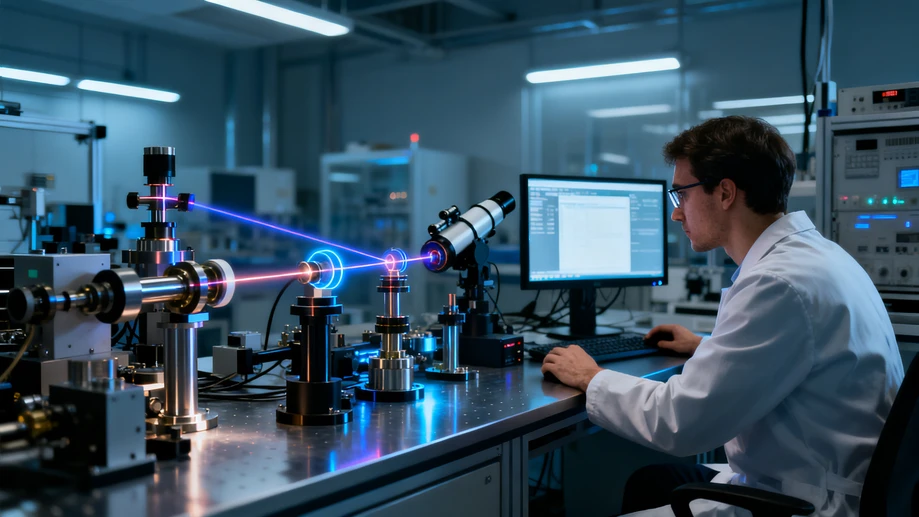
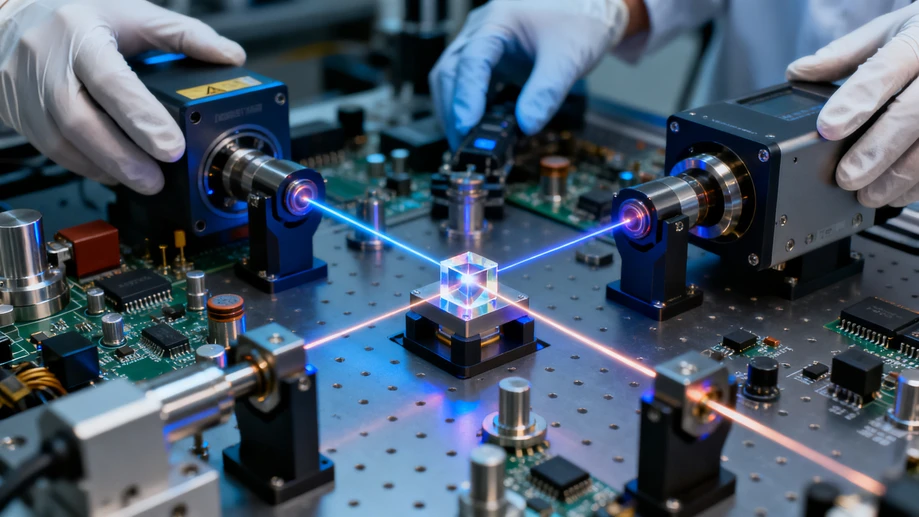
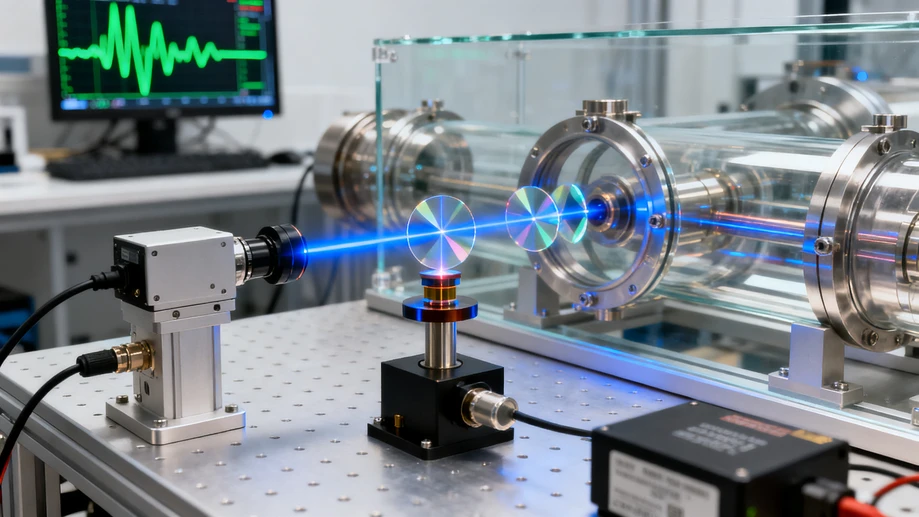
At the heart of this revolution is nanotechnology – manipulating matter between 1 and 100 nanometers (a human hair is about 80,000 nanometers wide!). Imagine billions of tiny, invisible workers precisely arranging atoms and molecules to give materials extraordinary new properties. This isn't about creating microscopic robots (though that's a different field), but about harnessing chemistry and physics to design surfaces and structures with specific, super-powered abilities. Think of it like constructing a building where every single brick is placed perfectly to achieve incredible strength or flexibility, but done automatically at an atomic level. The manufacturing processes achieving this precision involve techniques like chemical vapor deposition and atomic layer deposition, essentially building materials one ultra-thin layer at a time.
The results are astonishingly practical. That water-repellent jacket? It likely uses hydrophobic nanocoatings inspired by nature, mimicking the microstructure of lotus leaves. Fingerprint-resistant smartphone screens? Often coated with an invisible layer of nanoparticles that repel oils. Self-cleaning windows utilize photocatalytic nanocoatings (frequently titanium dioxide) that break down dirt and grime when exposed to sunlight, letting rain wash it away effortlessly. Even mundane items like bathroom tiles or hospital surfaces are getting antimicrobial nanocoatings that actively inhibit the growth of bacteria and viruses, enhancing hygiene silently and continuously. These aren't prototypes; they're commercially available, integrating seamlessly into our lives.
The impact extends far beyond keeping things clean. Nanomanufacturing is enabling lighter, stronger materials for everything from bicycles to airplanes, improving fuel efficiency and performance. In medicine, it's leading to more targeted drug delivery systems where nanoparticles act like guided missiles, releasing medication precisely where it's needed in the body, minimizing side effects. Imagine bandages that actively promote faster healing or clothing that monitors vital signs – these applications are actively being developed and tested. The key advancement is the shift from merely observing nanoscale phenomena to reliably and affordably *manufacturing* products incorporating these properties at scale, moving them from the lab bench to the store shelf.
This invisible transformation raises fascinating questions about our future. How will self-cleaning surfaces change cleaning industries? Could antimicrobial coatings significantly reduce the spread of common illnesses in public spaces? What new products, currently unimaginable, will emerge from our growing ability to design materials from the ground up? The potential for sustainability is immense: longer-lasting products mean less waste, self-cleaning surfaces reduce the need for harsh chemical cleaners, and lighter materials lower transportation energy costs. The challenge lies in ensuring these powerful technologies are developed responsibly, with thorough understanding of long-term interactions and environmental impact.
So, the next time water effortlessly rolls off your coat or your phone screen stays remarkably smudge-free, remember: it's not magic, but manufacturing mastery. The quiet hum of progress isn't always loud machinery; sometimes, it's the silent, precise dance of atoms orchestrated by human ingenuity. This nano-revolution is already woven into the fabric of our daily lives, making the ordinary extraordinary, and reshaping our world one incredibly tiny, yet profoundly impactful, innovation at a time. The future isn't just smaller; it's smarter, cleaner, and built with astonishing precision right before our eyes – even if we need an electron microscope to see it.