Could Your Grocery List Be Secretly Engineered by Mother Nature's Techies?
Unwrapping the invisible biotechnology revolution hiding in your supermarket aisle
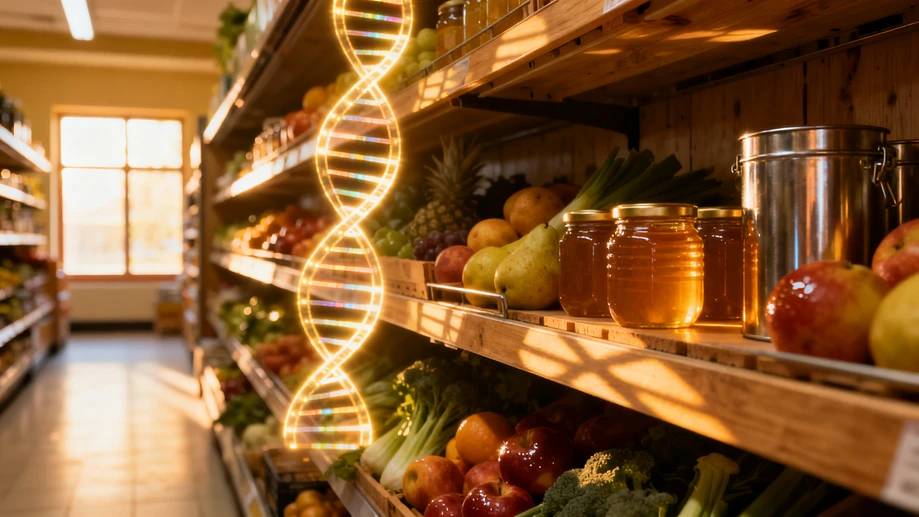
Next time you drizzle honey over morning toast, consider this: that golden sweetness might come from bees pollinating flowers genetically optimized to resist drought. While we imagine biotech confined to sterile labs, its most fascinating applications are blooming in fields, factories, and kitchens worldwide. Farmers from Kenya to Kansas now plant seeds designed to thrive with less water, their roots hosting microbial communities engineered to boost nutrient uptake. This silent agricultural revolution isn't about glowing tomatoes or square watermelons – it's about subtle genetic tweaks that help crops survive climate extremes while reducing pesticide showers. The result? Your produce section stays stocked year-round with affordable avocados and storm-resistant strawberries, all thanks to nature-inspired technology working overtime.
Ever wonder why your favorite craft beer boasts such consistent flavor? Thank bioengineered yeast strains – the unsung maestros of fermentation. Modern breweries deploy microorganisms customized to convert sugars efficiently while minimizing unwanted byproducts. Similar microbial magic happens in cheese caves where tailored bacteria cultures create distinct brie rinds and blue vein patterns. Even that crispy sourdough loaf owes its tang to domesticated bacteria passed down through bakers' generations, now optimized through genomic analysis. These living factories operate in plain sight, transforming humble ingredients into complex flavors without synthetic additives. The real artistry lies not in petri dishes but in harnessing nature's existing toolkit to enhance everyday foods we've loved for centuries.
Your medicine cabinet tells another biotech tale. Insulin-producing bacteria have replaced animal pancreases since the 1980s, but today's innovations get personal. DNA testing kits now identify how your body metabolizes caffeine or gluten, while probiotic regiments are customized using gut microbiome analysis. Spider silk proteins – stronger than steel yet biodegradable – are being brewed by engineered bacteria for surgical sutures. Even COVID-19 vaccines employed messenger RNA technology that trains cells to build defenses naturally. These breakthroughs share a common thread: using biological systems to create solutions that work with our bodies rather than against them. The future promises cancer treatments designed from your own immune cells and wound dressings impregnated with living skin cells that accelerate healing.
Beyond farms and pharmacies, biotechnology tackles environmental challenges with elegant efficiency. Fashion brands now grow leather alternatives from mushroom roots in vertical farms, consuming 90% less water than cattle ranching. Cleaning products harness enzyme cocktails that digest stains at room temperature, slashing hot-water energy use. In Singapore, architectural panels embedded with algae actively absorb carbon dioxide while generating bio-pigments for paint. Perhaps most remarkably, plastic-munching bacteria discovered in Japanese recycling centers are being deployed at waste facilities to decompose polyethylene that would otherwise linger for centuries. These nature-powered technologies create circular economies where waste becomes feedstock, proving environmental solutions don't require sacrificing convenience.
The most profound biotech impact might be its democratization. African scientists engineer cassava to resist brown streak disease threatening a staple crop for 800 million people. South American labs develop bananas fortified with essential vitamins to combat childhood malnutrition. DIY bio-hackers share open-source blueprints for affordable water purity sensors using freeze-dried diagnostic proteins. This global knowledge exchange turns local challenges into shared victories, ensuring biotechnology serves communities rather than just corporations. As we navigate climate uncertainty and population growth, these biological tools offer something rare: sustainable solutions that scale naturally. The quiet revolution in our food, health, and environment reminds us that sometimes the most powerful technologies aren't manufactured – they're cultivated.