Is Your Digital Wallet Secretly Plotting a Revolution?
Unpacking the Web3 takeover happening right inside your browser
Imagine your favorite online game where you truly own that rare sword you spent months earning. Or a social media platform where your data doesn't get sold to advertisers without your consent. This isn't science fiction - it's Web3, quietly rewriting internet rules while you scroll. Unlike Web1's static pages or Web2's corporate-controlled platforms, Web3 hands power back to users through blockchain technology. Your digital wallet isn't just holding cryptocurrency; it's becoming your passport to a new economy where you control assets and identity.
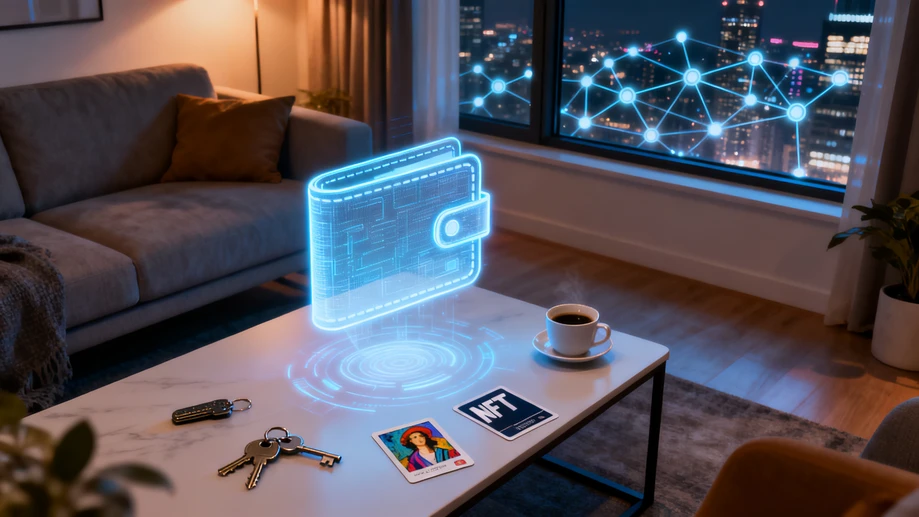
At Web3's core lies blockchain - a public digital ledger maintained across thousands of computers. When you buy digital art as an NFT, that transaction gets recorded permanently across this decentralized network. No single company controls the record. Your crypto wallet (like MetaMask) acts as your keychain to this parallel universe. It signs transactions, proves ownership, and interacts with dApps (decentralized applications) without surrendering personal data. Think of it as having a Swiss bank account for digital assets that fits in your browser extension.
Smart contracts automate trust in this ecosystem. These self-executing agreements live on blockchain and trigger actions when conditions are met. Buying a concert ticket NFT? The contract automatically pays the artist royalties at resale. Renting virtual land in a metaverse? The contract handles payment and access without intermediaries. Even your morning coffee loyalty program could become a transparent smart contract, ensuring rewards actually materialize rather than vanishing into corporate databases.
Beyond cryptocurrencies, NFTs are creating tangible value in unexpected places. Musicians release limited edition albums as NFTs with built-in royalty structures. Architects sell digital blueprints for virtual real estate. That viral meme you created? Now it can be authenticated and monetized as collectible intellectual property. The key difference? You retain ownership rights instead of platforms harvesting value from your creativity. Digital items become transferable assets rather than locked content.
Adoption hurdles remain - gas fees for transactions can spike unpredictably, and seed phrase security feels daunting for newcomers. Yet solutions are emerging. Layer-2 networks like Polygon slash transaction costs dramatically. User-friendly wallets now offer social recovery options. Major brands from Nike to Starbucks already run Web3 loyalty programs, proving the tech works at scale. Your next sneaker purchase might come with a digital twin NFT authenticating its origins.
The revolution won't happen overnight, but the foundation is set. As you browse today, notice Web3 elements creeping into familiar sites - crypto payment options at checkout, NFT profile pictures on Twitter, blockchain-verified event tickets. Your digital wallet isn't just a tool; it's the frontline of an ownership economy reshaping how we create, trade, and interact online. The question isn't whether Web3 will change the internet, but whether you'll be ready when your favorite platform flips the switch.