Is Your Fridge Secretly Fighting Climate Change?
How Ordinary Appliances Are Becoming Unlikely Heroes in the Battle Against Global Warming
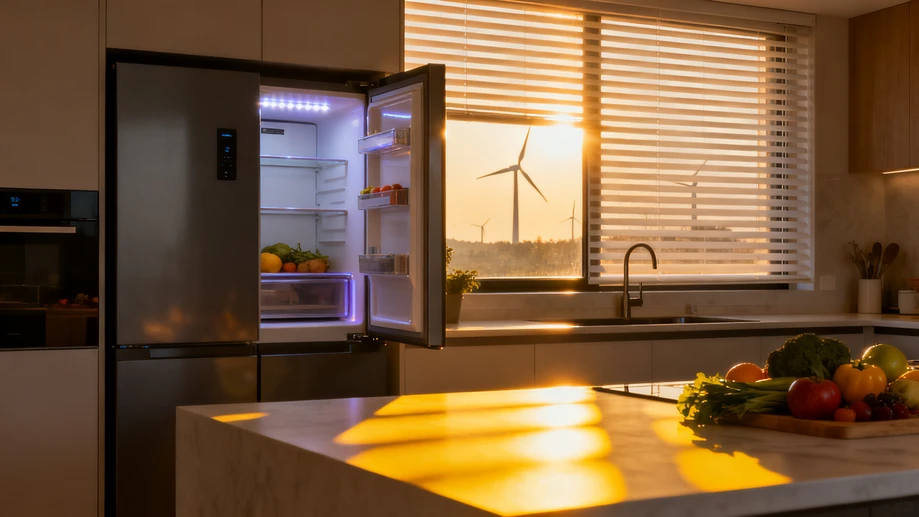
You probably haven't considered your refrigerator a climate warrior. Yet behind its humming exterior, modern smart appliances are quietly executing energy-saving maneuvers that would make an environmentalist weep with joy. These kitchen sentinels now use AI to predict your midnight snack habits, pre-cooling before peak hours when renewable energy floods the grid. During heatwaves, thousands coordinate through cloud networks to momentarily reduce power draw, preventing blackouts without sacrificing your ice cream's consistency. It's a silent revolution where your avocado preservation system moonlights as a grid-balancing ninja.
Beyond the kitchen, everyday gadgets are turning eco-saboteurs into allies. Smart thermostats learn your shower schedule to heat water precisely when solar panels peak, while washing machines automatically shift cycles to windy nights when turbines spin furiously. Even your gaming console contributes by downloading updates during off-peak hours using surplus hydroelectric power. These aren't sci-fi fantasies but existing features in devices from Samsung, Nest, and Xbox - all coordinating through energy-trading platforms that reward users with lower bills for every watt saved.
The magic lies in swarm intelligence. Like digital bees, millions of devices form "virtual power plants" that respond to grid signals faster than traditional plants. In Australia, 50,000 solar-battery homes collectively supplied emergency power during bushfires. California's OhmConnect pays residents for letting their smart homes briefly reduce consumption during crises - essentially paying you for not using appliances. This democratized energy network proves that saving the planet doesn't require sacrifice, just smarter coffee makers.
Surprisingly, your laziness fuels this green revolution. By enabling "eco mode" on devices or joining programs like Google's Nest Renew, you enlist appliances in carbon-cutting missions without changing routines. Your water heater might charge during sunny afternoons instead of coal-heavy evenings, while your EV refrains from gulping power until wind farms hit full stride. These micro-actions scale massively: UK's National Grid estimates smart devices could shimmy peak demand down by 10% - equivalent to shutting down six coal plants.
As algorithms grow sharper, your gadgets will negotiate with power grids like Wall Street traders. Imagine freezers bidding on electricity markets during price dips or AI predicting regional storms to pre-charge devices. With 30 billion smart devices expected by 2025, this invisible army could slash global emissions by 15% - all while you binge-watch cooking shows. The climate crisis won't be solved by appliances alone, but they're proving that salvation might arrive disguised as mundane household tech.