Is Your Morning Coffee Secretly Engineered by Superbugs?
How microscopic allies are revolutionizing everyday products while you sip your latte
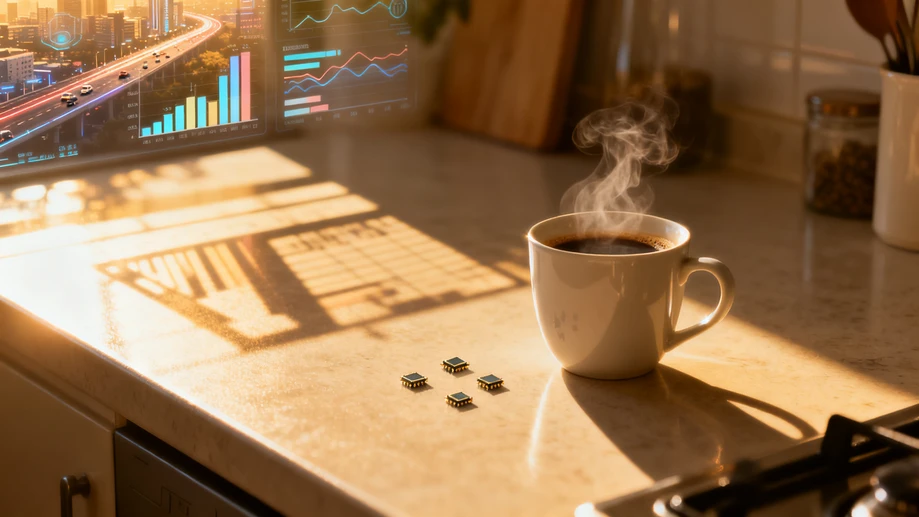
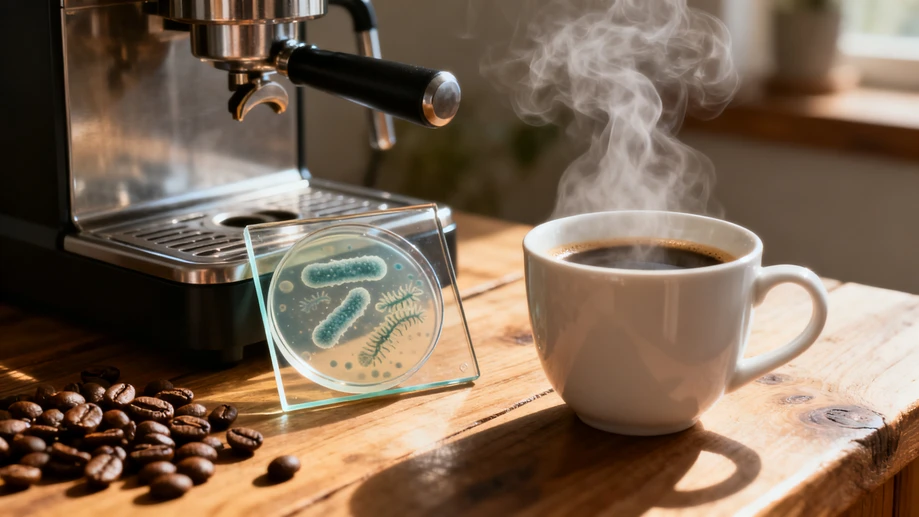
Picture this: you're savoring your morning coffee, unaware that the rich aroma swirling from your cup owes its existence to bacteria originally found in volcanic vents. This isn't science fiction but the quiet reality of industrial biotechnology. Scientists now harness extremophiles – microorganisms thriving in Earth's harshest environments – to produce enzymes that transform bitter coffee beans into smooth, complex flavors during fermentation. These microbial workhorses operate in giant fermentation tanks resembling brewery vats, not laboratories, converting agricultural waste into valuable compounds while reducing production costs by up to 40%.
Beyond your caffeine fix, engineered microorganisms are reshaping your wardrobe. The same jeans that took thousands of gallons of water to dye traditionally now get their indigo hue from bacteria modified to secrete pigment. This biological dyeing process slashes water usage by 90% and eliminates toxic chemicals. Meanwhile, mushroom-derived leather alternatives grown on corn husks in vertical farms are appearing in designer handbags. The secret lies in mycelium networks cultivated in repurposed warehouses where temperature-controlled rooms mimic forest floors, growing wearable materials in weeks rather than raising livestock for years.
Your medicine cabinet tells another tale of biological innovation. Insulin-producing bacteria have been pharmaceutical staples for decades, but recent breakthroughs use algae to manufacture complex cancer drugs previously requiring endangered plants. In Spain, sunset-colored algae blooms in open-air ponds produce compounds for melanoma treatments, while Canadian bioreactors cultivate modified yeast strains that assemble migraine medications atom by atom. These living factories operate continuously, with sensors monitoring nutrient levels to optimize output – a far cry from traditional chemical synthesis that generates hazardous waste.
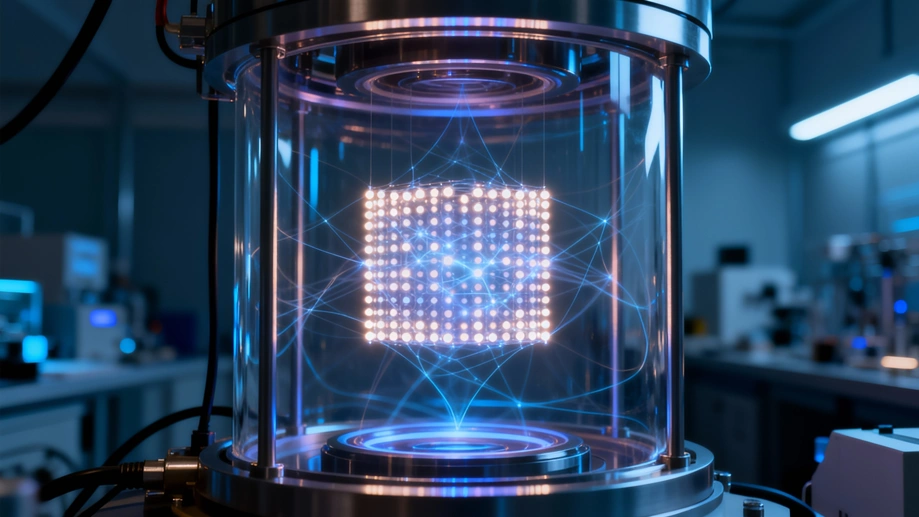
Perhaps most surprisingly, biology is solving electronics challenges. Researchers discovered that certain bacteria produce nanowires during metabolism. By tweaking these microbes' diets, scientists induce them to excrete conductive protein threads thinner than human hair. These biological wires self-assemble at room temperature, offering sustainable alternatives for flexible screens and medical sensors. Pilot facilities in Germany already cultivate these electric microbes in honeycomb-like bioreactors, where they transform sugar solutions into viable electronics components without the extreme heat or rare metals required by conventional manufacturing.
As these technologies mature, they're becoming invisible threads woven through daily life. The vanilla in your ice cream? Likely biosynthesized by yeast fed agricultural byproducts. The laundry detergent fighting stains? Packed with enzymes cloned from deep-sea microorganisms. Even construction materials are getting biological upgrades – self-healing concrete infused with limestone-producing bacteria now repairs its own cracks in Dutch bicycle tunnels. This silent revolution proves that our most powerful technological allies might not be robots, but trillions of microorganisms working in harmony with human ingenuity to reshape our world from the molecular level up.